
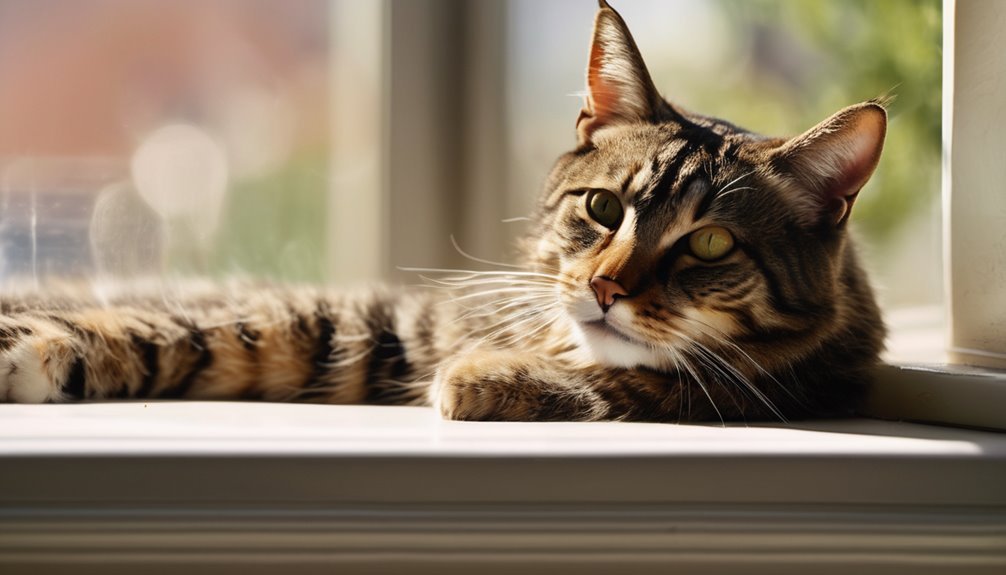
A playful cat can suddenly become a shadow, hiding away with no interest in interaction. Understanding how to spot these changes is crucial for your pet’s well-being. By observing their behavior, appetite, and litter box habits, you can identify subtle signs of illness early. You might be surprised at what these signs reveal about your cat’s health. Let’s explore the key indicators that can help you determine when your furry friend needs attention.
Key Takeaways
- Monitor for withdrawn behavior or changes in grooming habits, as these can indicate discomfort or illness.
- Watch for fluctuations in appetite and drinking habits, as sudden changes may signal health issues.
- Observe litter box behavior; straining to urinate or avoiding the box can indicate serious health concerns.
- Look for changes in grooming frequency or fur texture, which may reveal underlying health problems.
- Regular vet check-ups are crucial for early detection of potential health issues and to ensure overall well-being.
Recognizing Behavioral Changes in Your Cat
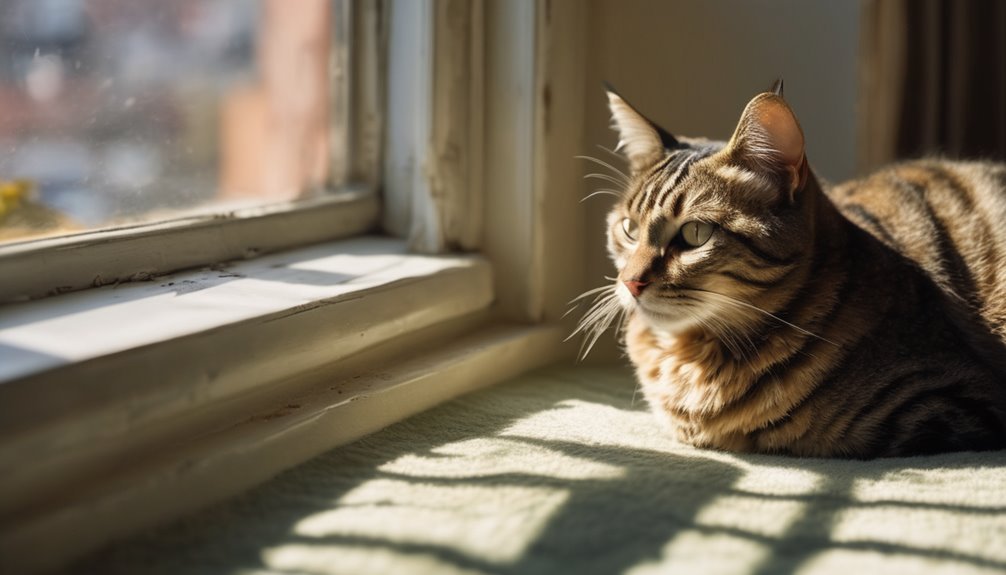
When you notice a shift in your cat’s behavior, it could be an early sign of illness. Pay attention to any behavioral signs that seem unusual.
For instance, if your cat becomes more withdrawn, stops grooming, or changes its sleeping patterns, these can be stress indicators. Increased aggression or excessive hiding may also signal discomfort or anxiety.
Sometimes, you might notice your cat is less playful or uninterested in activities it once enjoyed. These changes aren’t just quirks; they’re vital clues about your cat’s health.

How to Monitor Your Cat’s Appetite and Drinking Habits for Better Health
Monitoring your cat’s appetite and drinking habits is crucial, especially since changes in these areas can signal underlying health issues.
Regular observation helps you catch potential problems early, ensuring your furry companion stays healthy.
Here are some signs to watch for:
- Sudden appetite fluctuations
- Decreased water intake or hydration levels
- Refusal of favorite foods
- Increased thirst or urination
- Unusual weight loss or gain
Litter Box Behavior and Health
Understanding your cat’s litter box behavior is vital for identifying potential health issues. Pay attention to your cat’s litter box habits; changes can signal underlying problems.
If you notice your cat straining to urinate or producing small amounts of urine, these may indicate urinary issues. Additionally, monitor fecal consistency; loose stools or absence of feces can be signs of digestive troubles.
Be aware of territorial marking, which may indicate stress or discomfort. If your cat starts avoiding the litter box, it could be a response to pain or an aversion to the box itself.
Territorial marking in cats can signal stress; avoiding the litter box may indicate pain or discomfort with the box itself.
Recognizing these health indicators early can lead to timely veterinary intervention and improved well-being for your feline friend.
Noticing Grooming Changes: What They Mean
Noticing changes in your cat’s grooming habits can reveal vital information about their health. A decrease in grooming frequency might signal discomfort or illness, while excessive grooming could indicate anxiety or skin issues.
Pay close attention to your cat’s fur texture; a dull, unkempt coat can be a red flag.
Here are some signs to watch for:
- Increased grooming leading to bald patches
- A decline in grooming frequency, resulting in mats or dirt
- Changes in fur texture, such as greasiness or dryness
- Reluctance to be touched, indicating sensitivity
- Noticeable weight loss or lethargy
Key Physical Symptoms Indicating Illness in Cats
Changes in grooming habits often serve as a window into your cat’s overall health, but physical symptoms can provide even more direct indicators of illness.

To help you assess your cat’s well-being, create a symptom checklist that includes key illness indicators. Look for signs like vomiting, diarrhea, or unusual weight loss, which may suggest gastrointestinal issues.
Pay attention to changes in appetite or thirst; increased or decreased consumption can signal underlying problems.
Monitor your cat’s coat condition—dullness, excessive shedding, or bald patches often indicate health concerns.
Lastly, any visible swelling, limping, or difficulty in movement shouldn’t be ignored.
Spotting Energy Level Changes in Your Cat
While it’s easy to overlook subtle shifts in your cat’s energy levels, being attentive can help you identify potential health issues early.
Regular activity assessment is crucial; any noticeable energy fluctuations can be a sign of underlying problems.
Watch for these signs:
- Decreased playfulness or reluctance to engage
- Increased lethargy or prolonged sleeping
- Uncharacteristic hiding or avoidance behavior
- Sudden bursts of hyperactivity followed by exhaustion
- Changes in grooming habits or cleanliness
The Importance of Regular Vet Check-Ups
Regular vet check-ups play a vital role in maintaining your cat’s health and identifying potential issues before they become serious. These visits ensure your cat receives essential preventive care, including routine vaccinations that protect against various diseases.
| Check-Up Aspect | Importance | Frequency |
|---|---|---|
| Preventive Care | Early detection of health issues | Annually or biannually |
| Routine Vaccinations | Protection against infectious diseases | As recommended by vet |
| Dental Health | Prevention of dental disease | Annually |
| Weight Monitoring | Management of obesity and health risks | Annually |
| Behavioral Assessment | Addressing changes in behavior | As needed |
When to Schedule Vet Check-Ups and Emergency Care for Your Cat?
How can you tell when it’s time to schedule a vet check-up or seek emergency care for your cat? Regular preventive care is vital, but knowing when to act is equally crucial.
Look for these emergency signs that indicate immediate attention:
- Sudden weight loss or gain
- Difficulty breathing or coughing
- Changes in appetite or drinking habits
- Unexplained vomiting or diarrhea
- Lethargy or withdrawal
If you notice any of these symptoms, don’t hesitate to contact your vet.
Scheduling routine check-ups ensures early detection of potential issues, while recognizing emergency signs can save your cat’s life.
Trust your instincts; your cat relies on you to keep them healthy and safe.
Conclusion
In conclusion, staying attentive to your cat’s behavior, appetite, and grooming habits can greatly enhance your ability to spot potential health issues early. You might think it’s hard to notice subtle changes, but being observant in daily interactions makes it easier. Remember, regular vet check-ups are vital for prevention and peace of mind. By prioritizing your cat’s health, you ensure they lead a happy, vibrant life by your side. Trust your instincts; they’re often right.