Just as a ship needs time to adjust after changing course, your pet also requires care and patience when moving to a new home. This transition can be stressful, and how you respond can make all the difference. By creating a comforting environment and sticking to familiar routines, you can help ease their anxiety. But what specific steps can you take to ensure your furry friend feels secure and settled in their new surroundings?
Key Takeaways
- Create a cozy safe space with familiar items, including a blanket and personal clothing, to help your pet feel secure.
- Maintain regular routines, such as feeding and walking times, to provide stability during the transition to a new home.
- Gradually introduce your pet to the new environment, allowing them to explore at their own pace while monitoring their comfort levels.
- Use positive reinforcement, like treats and praise, to encourage calm behavior and build confidence in new situations.
- Watch for signs of stress, such as excessive barking or withdrawal, and address any issues promptly to support your pet’s adjustment.
Create a Safe Space for Your Pet
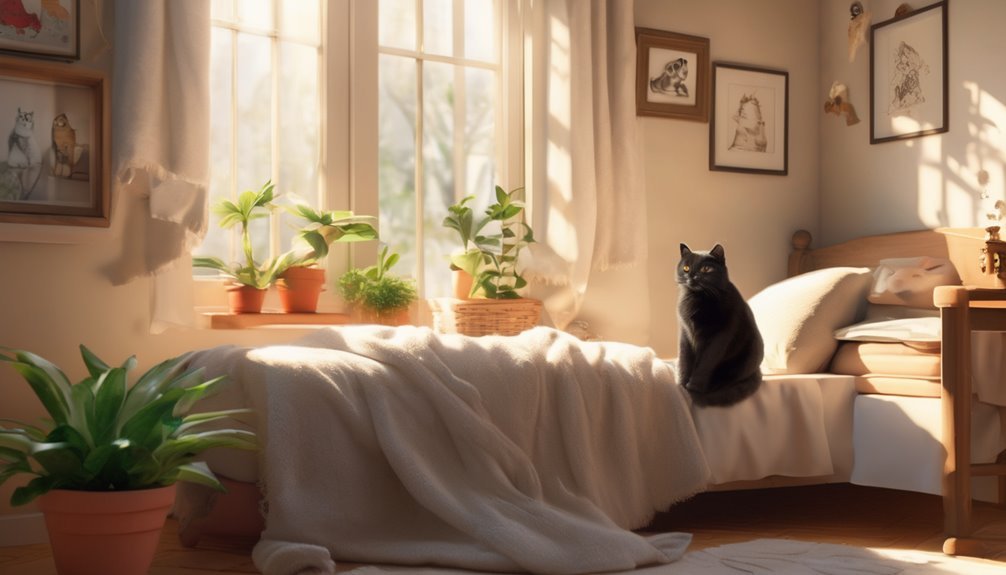
When you move to a new home, it’s essential to create a safe space for your pet, especially as they navigate the unfamiliar environment.
Designate a cozy corner where they can retreat from the chaos of unpacking. This safe retreat should include their favorite blanket, toys, and maybe a piece of your clothing to provide comfort.
Designate a cozy corner for your pet, complete with their favorite blanket and toys, to offer comfort amidst the chaos.
Make sure this space is away from heavy foot traffic and noise, allowing them to observe without feeling overwhelmed.
Spend time with them in this area, offering gentle reassurance and treats.

As they explore their new surroundings, they’ll appreciate having a familiar spot to return to, helping them feel secure and loved in this new chapter of their life.
Maintain Familiar Routines for Stability
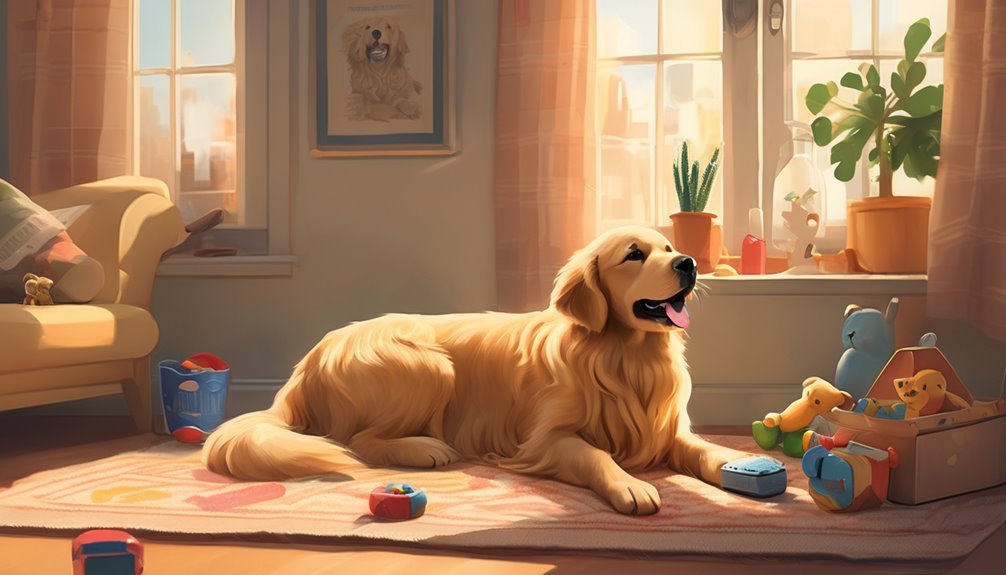
As you settle into your new home, maintaining familiar routines can significantly ease your pet’s transition.
Stick to their usual feeding schedule; consistent feeding helps them feel secure amidst the changes. Keep their bowls, toys, and bedding in the same spots to preserve those familiar smells that bring comfort.
If you used to take them for walks at certain times, try to maintain that rhythm. Your pet thrives on predictability, and these small gestures provide a sense of stability.
Remember, they’re navigating a new environment, and your efforts to keep routines intact will help them adjust more easily.
Gradually Introduce Your Pet to Their New Environment
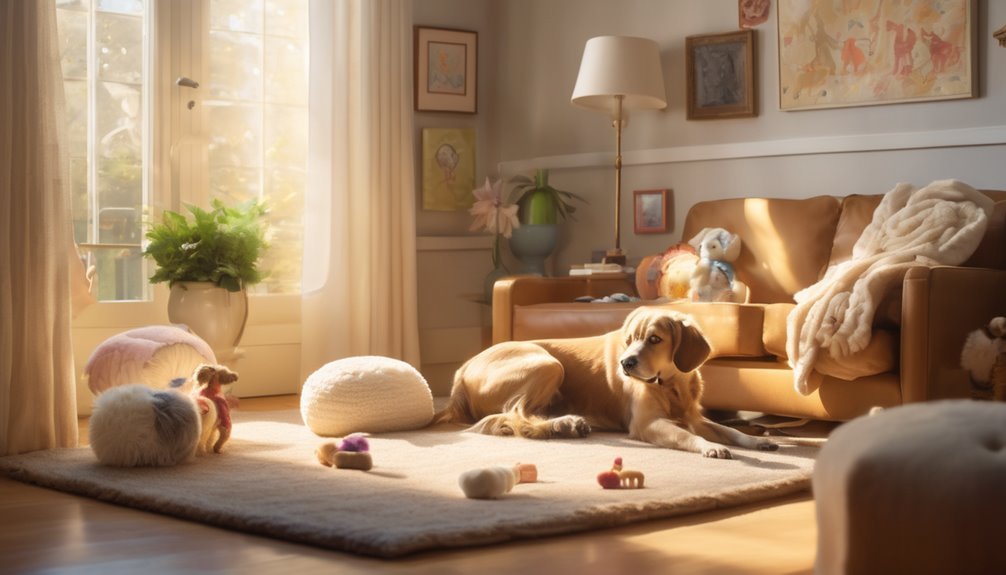
To help your pet feel more at home, it’s essential to gradually introduce them to their new environment. Start with a small area, allowing them to explore at their own pace. This environment exploration helps reduce anxiety as they become familiar with new sights and sounds.
Encourage them to sniff around—scent familiarization is crucial for their comfort. As they adjust, slowly expand their access to other rooms, ensuring they don’t feel overwhelmed.
Keep an eye on their behavior; some pets might need more time in certain areas. Offer comforting items, like their favorite blanket, to create safe spaces.
With patience and gentle guidance, you’ll help your furry friend embrace their new surroundings with confidence and ease.
Use Positive Reinforcement to Ease Anxiety
Using positive reinforcement can significantly ease your pet’s anxiety during the adjustment period. By employing reward strategies, you create a safe space for them to explore their new home.
When you notice your pet reacting calmly to an anxiety trigger, like a strange noise or a new room, offer praise or a treat. This builds their confidence and helps them associate new experiences with positive outcomes.
Be observant and consistent; every small victory deserves recognition. If your pet shows curiosity rather than fear, celebrate that moment!
Over time, these positive interactions can transform anxiety into comfort, making the transition smoother for both of you. Remember, patience and love are key as your furry friend adapts to their new surroundings.
Monitor for Stress: Signs to Watch For
Even with positive reinforcement in place, it’s important to keep an eye on your pet for signs of stress. Look for behavior changes that might indicate anxiety triggers. Every pet reacts differently, so being observant can make all the difference.
| Signs of Stress | Possible Behavior Changes |
|---|---|
| Excessive barking | Increased vocalization |
| Hiding or seeking solitude | Withdrawal from family |
| Destructive behavior | Chewing furniture or toys |
| Loss of appetite | Refusing food or treats |
| Aggression | Growling or biting |
If you notice any of these signs, take time to comfort your pet. Understanding their needs during this transition can help you both adjust to your new home more smoothly.
Use Comfort Items From Home for Familiarity
As your pet navigates the unfamiliar environment of your new home, incorporating comfort items from their previous space can make a significant difference. Familiar scents and textures provide reassurance, helping to ease their anxiety. Bring along their favorite blanket, toy, or bed—these comfort items can create a sense of safety amidst the change.
Place these items in their designated areas to establish a cozy retreat. The familiar smells will remind them of home, fostering a sense of belonging in the new space.
Observe how they respond; you’ll likely notice them gravitating toward these items as they adjust. By surrounding them with things they know, you’re not just easing the transition—you’re showing them they’re still cherished and secure.

Safely Introduce Your Pet to the New Neighborhood
When you first step outside in your new neighborhood, it’s important to introduce your pet to the surroundings gradually.
Start with short neighborhood walks, allowing your furry friend to sniff and explore at their own pace. Keep the atmosphere calm—too much excitement can be overwhelming.
As you venture out, notice how your pet reacts to new sights and sounds. Local parks can be wonderful spots for exploration.
Take a moment to let your pet experience the fresh scents and perhaps meet other dogs.
Always keep your pet on a leash at first, ensuring their safety while they adjust.
With patience, your walks will become a comforting routine, helping both of you feel at home in your new surroundings.
When to Schedule a Vet Visit After Moving?
After settling into your new neighborhood and exploring the area with your pet, it’s time to think about their health needs. Scheduling a vet visit soon after moving is crucial for ensuring your pet’s well-being.
Aim for a vet checkup within the first few weeks, especially if your pet has any ongoing health issues. This gives you a chance to establish a relationship with a new veterinarian and discuss any concerns.
Don’t forget to request a health records transfer from your previous vet, as this information is invaluable for your new provider.
Explore Pet-Friendly Products for Your New Home
Finding the right pet-friendly products for your new home can make a world of difference in your furry friend’s adjustment. Start by choosing pet-friendly furniture that’s durable and easy to clean, ensuring your space remains inviting and practical.
Look for materials that resist stains and scratches—your pets will appreciate the comfort, and you’ll enjoy the peace of mind.
Next, consider interactive toys that engage your pet’s mind and body. These toys can help alleviate stress and keep them entertained as they explore their new environment.
A cozy bed in a quiet corner can also create a safe haven for your pet. With these thoughtful choices, you’re not just making your home beautiful; you’re fostering a sense of security for your beloved companion.
Be Patient: Supporting Your Pet’s Adjustment Process
Adjusting to a new home can be overwhelming for pets, so it’s essential to be patient as they navigate this change.
Every pet has a unique adjustment timeline, and you might notice some behavioral changes during this period.
Here’s how you can support them:
- Create a safe space where they can retreat and feel secure.
- Stick to their usual routine to provide a sense of familiarity.
- Offer extra cuddles and reassurance to help them feel loved.
- Monitor their behavior and consult a vet if you notice any concerning changes.
Frequently Asked Questions
How Long Does It Typically Take for Pets to Adjust?
It usually takes pets a few weeks to adjust, but the transition period varies. Watch for behavioral signs like hiding or excessive barking; these indicate your furry friend’s need for extra comfort and reassurance during this time.
Can I Use Calming Products to Help My Pet?
Yes, you can use calming products to help your pet. Try calming music to soothe their nerves, and consider pheromone diffusers to create a comforting atmosphere. These tools can make a real difference in their adjustment.
Should I Limit My Pet’s Exploration of the New Home?
Yes, you should limit your pet’s exploration initially. Create safe spaces for them and offer a gradual introduction to the new home. This way, they’ll feel secure and more comfortable adjusting to their surroundings.
What if My Pet Refuses to Eat After the Move?
When your pet refuses to eat, it’s like a child in a new school, overwhelmed and stressed. Watch for stress signals, and try offering familiar foods to ease their eating habits in this unfamiliar space.
Are Certain Breeds More Sensitive to Moving Stress?
Yes, certain sensitive breeds, like Greyhounds and Shih Tzus, often feel moving stress more acutely due to their unique breed characteristics. You’ll want to provide extra comfort and reassurance during this transition for them.
Conclusion
As you guide your furry friend through this transition, remember that patience is your best ally. Like a gentle breeze, your calm presence will help soothe their restless heart. Embrace the little wins as they explore their new world, and cherish the moments of connection you share. With time, love, and understanding, your home will transform from a strange land into a warm haven where both of you can thrive together.