
Have you ever wondered how much your dog’s dental health impacts their overall well-being? Brushing your dog’s teeth isn’t just about fresh breath; it’s essential for preventing serious health issues. With the right approach, you can make this routine easier for both you and your pet. Let’s explore effective methods and tips to ensure your furry friend maintains a healthy smile and enjoys the process along the way.
Key Takeaways
- Create a calm environment and gradually introduce dental tools to your dog for a stress-free experience.
- Use a toothbrush designed for dogs and dog-friendly toothpaste to ensure safety and comfort.
- Focus on brushing along the gum line in small circular motions to effectively remove plaque.
- Aim for consistency by brushing your dog’s teeth two to three times a week for optimal dental health.
- Reward your dog with treats and praise to reinforce positive behavior during the brushing process.
Why You Should Prioritize Your Dog’s Dental Care

Prioritizing your dog’s dental care is essential for their overall health and well-being. Just like humans, dogs can suffer from dental issues that impact their quality of life.
Neglecting their dental health can lead to plaque buildup, which may result in gum disease, tooth decay, and even infections. These conditions can cause pain and discomfort, affecting your dog’s appetite and behavior.
Regular dental care not only prevents these problems but also helps maintain fresh breath and a happy smile. By investing time in your dog’s dental hygiene, you’re ensuring they stay healthy and vibrant for years to come.

How to Prepare Your Dog for Teeth Brushing
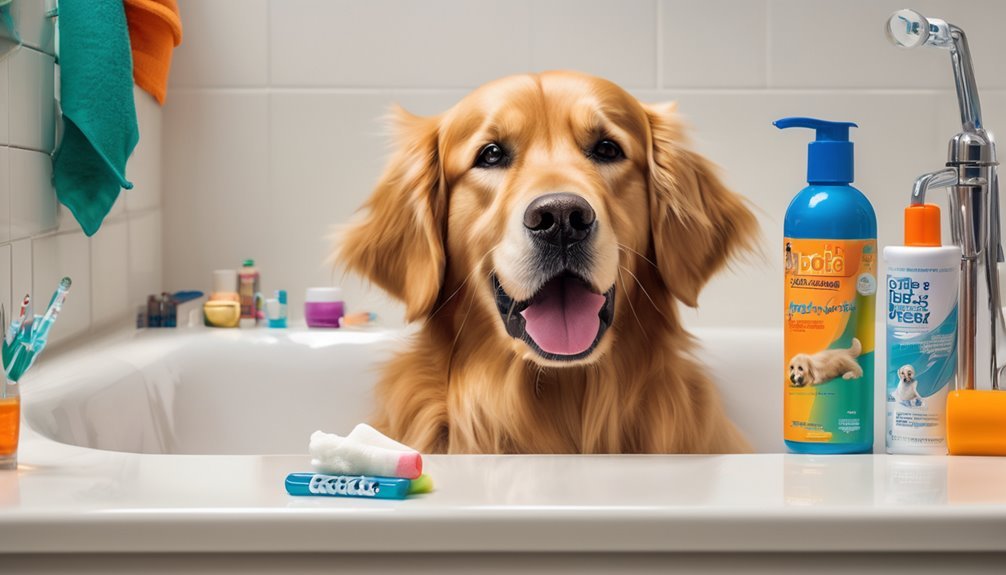
Ensuring your dog is comfortable with teeth brushing is key to effective dental care. Start by creating a calm environment; choose a quiet space where your dog feels relaxed.
Introduce the toothbrush and toothpaste gradually, letting them sniff and explore these new items. Use positive reinforcement by offering treats and praise to associate brushing with good experiences.
Practice gentle handling of their mouth, slowly lifting their lips to touch their teeth. Keep sessions short at first, gradually increasing the duration as your dog becomes more accustomed.
This approach builds trust and reduces anxiety, making the process smoother for both of you. Remember, patience is essential; your efforts will lead to healthier teeth and a happier pup.
Choosing the Right Tools for Dog Tooth Brushing
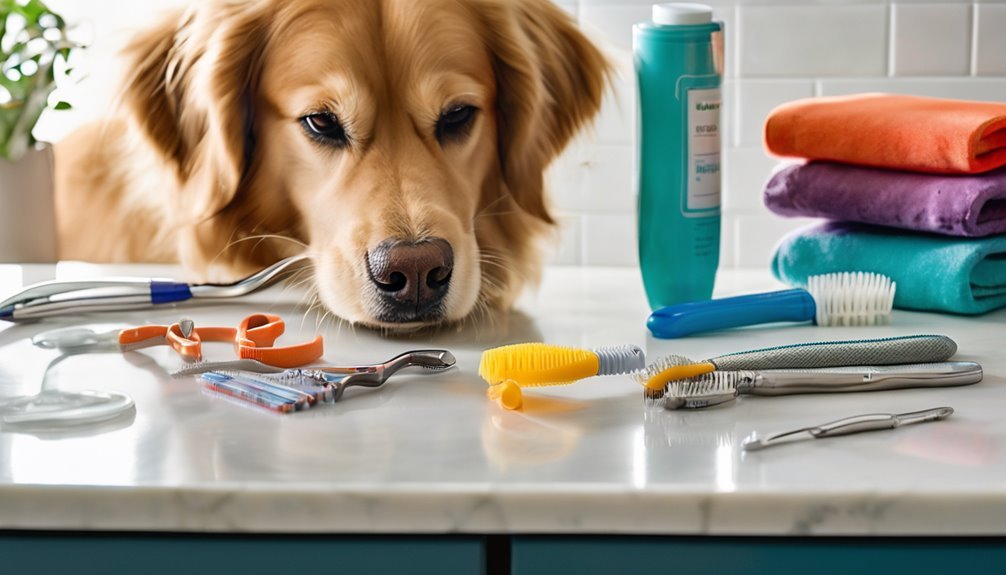
When it comes to brushing your dog’s teeth, having the right tools can make all the difference. Start with a toothbrush designed specifically for dogs; these come in various types, including finger brushes and angled brushes, making it easier to reach all areas.
Choose a toothbrush that feels comfortable for you to hold, as this ensures a better experience for both you and your pup. Next, pick a dog-friendly toothpaste in flavors your dog enjoys, like chicken or peanut butter.
Never use human toothpaste, as it can be harmful to your furry friend. Investing in the right toothbrush types and tasty toothpaste flavors won’t only simplify the process but also make your dog more eager to participate.
How to Use These Tools Effectively
Once you’ve chosen the right toothbrush and toothpaste for your dog, it’s time to put those tools to good use. Start by introducing your dog to the taste of the toothpaste; let them lick a small amount first.
Use a gentle brushing technique, focusing on the gum line where plaque builds up.
Here are some tips to enhance your experience:

- Choose the right toothpaste types: Look for enzymatic or poultry-flavored options.
- Use a soft-bristled toothbrush: It’s gentler on their gums.
- Brush in small circles: This helps remove plaque effectively.
- Be consistent: Aim for brushing at least two to three times a week.
- Reward your dog: Positive reinforcement encourages cooperation.
With practice, this routine will become a bonding moment for both of you.
How to Make Tooth Brushing Fun
Making tooth brushing fun for your dog can transform a chore into an enjoyable activity. Start by choosing toothpaste flavors your dog loves—think peanut butter or beef. These tasty options can make the experience more appealing for them.
To further engage your pup, introduce brushing games. For example, reward them with treats or play a quick game of fetch before and after brushing. This creates positive associations.
You can even turn brushing into a bonding time by gently petting and talking to your dog during the process. Remember, the goal is to make dental care a regular, happy routine, not just a task.
With a little creativity, your dog will look forward to their brushing sessions!
Avoid These Common Mistakes in Dog Tooth Brushing
Even with a fun brushing routine in place, it’s easy to make mistakes that can hinder your dog’s dental care.
To ensure effective brushing, watch out for these common missteps:
- Using the wrong toothbrush selection: Choose a brush designed for dogs, as human brushes can be too harsh.
- Brushing too aggressively: Gentle strokes are key. You want to clean, not irritate.
- Skipping dental treats: These can help maintain oral health between brushings.
- Not establishing a routine: Consistency is critical for your dog to get used to the process.
- Neglecting to check for bad breath: Persistent odor can hint at dental issues requiring attention.
When to Seek Professional Dental Care for Your Dog?
While regular brushing can significantly enhance your dog’s dental health, there are times when you should seek professional care. Pay attention to these dental signs that indicate it’s time to visit the vet:
| Dental Signs | Vet Recommendations |
|---|---|
| Bad breath | Schedule a dental check-up ASAP |
| Swollen or bleeding gums | Immediate vet consultation needed |
| Excessive tartar buildup | Professional cleaning recommended |
| Change in eating habits | Vet evaluation to rule out issues |
Frequently Asked Questions
How Often Should I Brush My Dog’s Teeth?
You should brush your dog’s teeth at least two to three times a week. Regular dental hygiene helps prevent plaque buildup. Use gentle brushing techniques to make it a positive experience for both of you.
Can I Use Human Toothpaste for My Dog?
No, you shouldn’t use human toothpaste for your dog. Instead, choose safe dog toothpaste options. Prioritizing dental care ensures your furry friend’s health and happiness, helping prevent issues like plaque buildup and gum disease.
What Signs Indicate Dental Issues in Dogs?
You’ll notice signs like bad breath, gum inflammation, tooth decay, difficulty eating, excessive drooling, and tartar buildup. If your dog shows these symptoms, it’s time to consult a vet for dental care.
Are There Alternatives to Brushing My Dog’s Teeth?
Yes, there are alternatives to brushing your dog’s teeth. You can use dental chews, mouth rinses, oral gels, and schedule professional cleanings. These options help maintain your dog’s dental health while keeping their breath fresh.
How Can I Help My Dog Accept Dental Care?
To help your dog embrace dental care, use dental treats as rewards, apply positive reinforcement, and gradually introduce training techniques. With patience and attention to their comfort level, you’ll transform the experience into a joyful routine.
Conclusion
Taking care of your dog’s dental health is a piece of cake when you follow these simple steps. By establishing a routine and using the right tools, you can keep your furry friend’s teeth in tip-top shape. Remember, a clean mouth contributes to their overall well-being. So, don’t wait for the other shoe to drop—start brushing today! Regular care now can save you from costly vet visits later. Your dog will thank you with plenty of tail wags!