You may see a single protected habitat or a struggling population, but conservation links both to survival. You protect endangered species by preserving breeding areas, restoring food webs, reducing poaching, and limiting pollution. Monitoring also lets you detect declines early and respond before losses become irreversible. When you support these measures, you help maintain genetic diversity and ecosystem stability, which raises a species’ chances of recovery—and the next step is more specific than you might expect.
Key Takeaways
- Animal conservation protects habitats, food sources, and breeding sites that endangered species need to survive and reproduce.
- Habitat restoration rebuilds native ecosystems, supporting nesting, movement corridors, and healthier food webs.
- Anti-poaching efforts and wildlife laws reduce hunting, illegal trade, and other direct threats.
- Pollution control limits pesticide runoff, plastic waste, and water contamination that weaken wildlife populations.
- Breeding and reintroduction programs increase population numbers and preserve rare genetic lineages for recovery.
Why Animal Conservation Saves Endangered Species
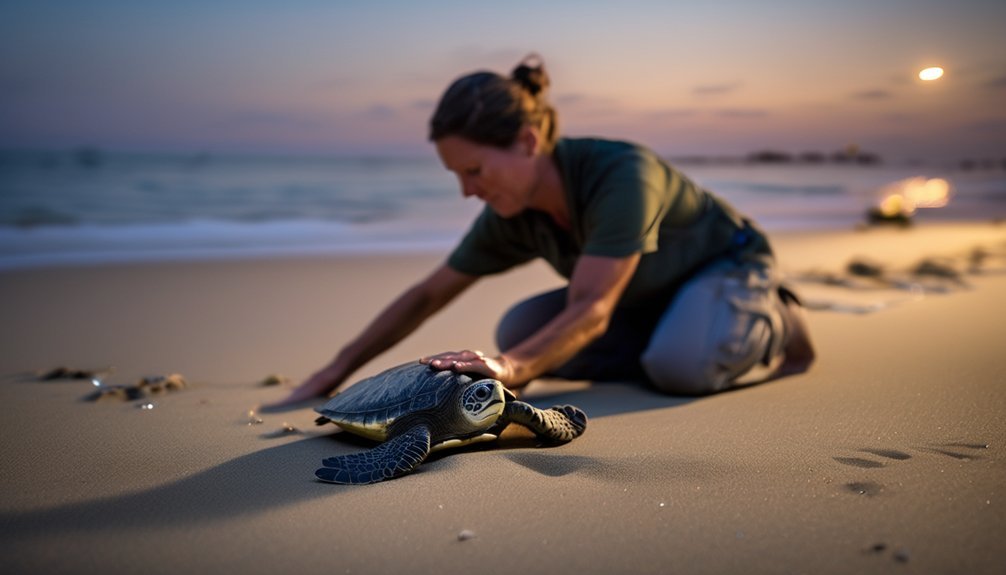
Animal conservation saves endangered species by protecting the habitats, food sources, and breeding conditions they need to survive. You can see this in habitat restoration, which rebuilds ecological conditions that support reproduction and reduce mortality.
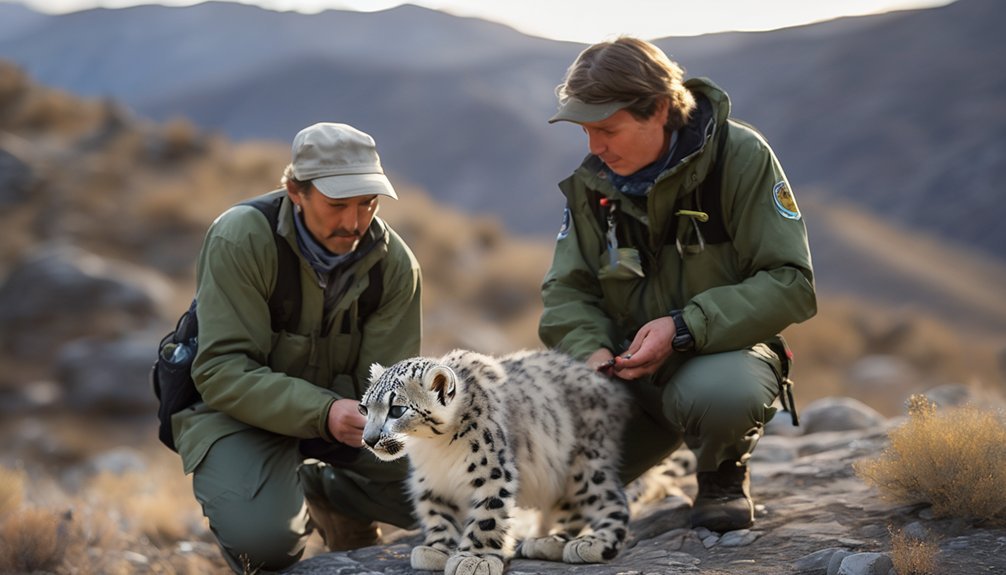
Species monitoring lets you detect population declines early, so you can respond before losses become irreversible. Community involvement strengthens local stewardship, because people who live near wildlife often influence survival outcomes directly.
Species monitoring catches declines early, and community involvement strengthens local stewardship near wildlife.
Legislative support can limit poaching, trade, and other pressures that increase extinction risk. Educational outreach helps you understand why conservation matters and how your choices affect vulnerable species.

Funding initiatives make long-term research, protection, and recovery programs possible. Together, these measures increase survival rates, preserve genetic diversity, and improve the odds that threatened species’ll persist.
How Conservation Protects Habitats
Conservation protects habitats by reducing the physical and biological pressures that degrade ecosystems, such as deforestation, pollution, fragmentation, and overuse of natural resources. You help by supporting habitat restoration, which rebuilds native plant cover, stabilizes soils, and improves water retention.
These actions keep ecosystem balance intact, so species can feed, breed, and shelter in reliable conditions.
- You preserve nesting sites that vulnerable animals depend on.
- You protect corridors that let populations move safely.
- You maintain diverse food webs that support survival.
When you conserve habitat, you lower stress across the whole system, and that directly improves long-term species persistence.
This work doesn’t just save land; it protects the living connections that keep ecosystems functioning and resilient.
How Conservation Reduces Poaching and Pollution
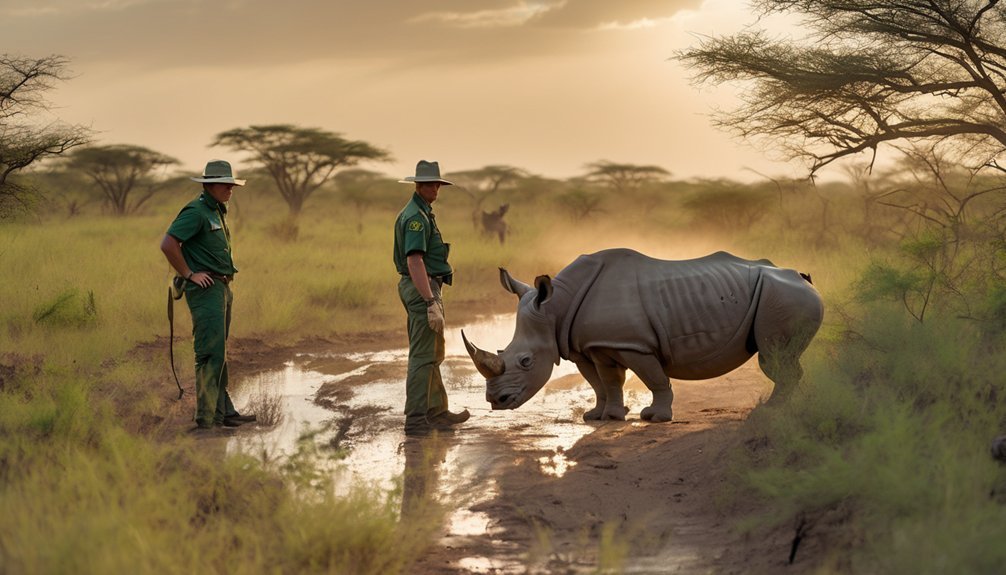
By funding patrols, monitoring trade routes, and strengthening wildlife laws, conservation reduces poaching pressure on threatened species.
By funding patrols and stronger wildlife laws, conservation reduces poaching pressure on threatened species.
You benefit when anti-poaching initiatives target hunters, traders, and buyers through surveillance, rapid response, and prosecutions. These actions lower illegal offtake and help populations stabilize.
Conservation also supports pollution control by limiting pesticide runoff, plastic waste, oil contamination, and toxic mining discharge in critical habitats.
When you protect water and soil quality, you reduce chronic stress, disease, and reproductive harm in wildlife. Scientific monitoring shows that fewer contaminants improve survival and feeding success.
Together, law enforcement and pollution control create safer ecosystems, giving endangered species a better chance to persist under human pressure.
How Breeding Programs Help Species Recover
Breeding programs help endangered species recover by increasing the number of viable individuals when wild populations are too small or isolated to rebound on their own.

You can see how breeding techniques, from controlled pairing to assisted reproduction, improve captive success while preserving genetic diversity. Careful population management helps you track pedigrees, limit inbreeding, and maintain traits needed for species reintroduction.
- You help safeguard rare lineages.
- You support healthier offspring.
- You create a measured path back to the wild.
These programs don’t replace natural recovery, but they give species time to regain numbers and resilience.
When you follow each step, you’re contributing to a precise conservation tool that can stabilize a species before its future narrows further.
How Restoring Ecosystems Supports Wildlife
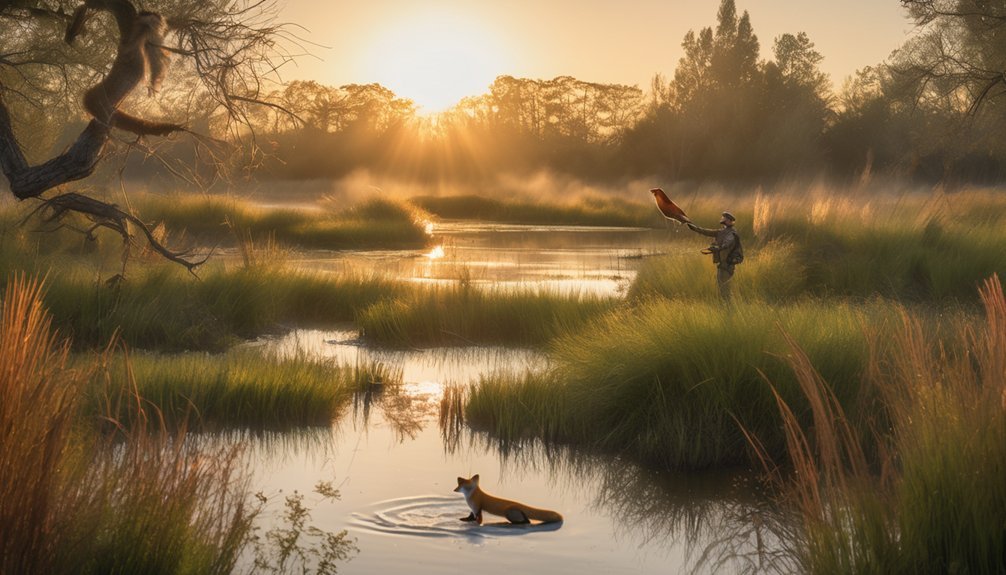
When habitats are damaged, restoring them gives wildlife the food, shelter, and breeding conditions they need to survive. You can see this in reforestation, wetland repair, and coral recovery, which rebuild habitat structure and improve access to resources.
As native plants return, insects, birds, and mammals regain stable niches, and predators and prey reestablish ecosystem balance. Restored water flow and soil function also reduce erosion, improve nutrient cycling, and support juvenile survival.
Because connected habitats let species move, feed, and reproduce more effectively, restoration strengthens population resilience during drought, fire, and disease. These changes promote biodiversity enhancement by increasing species richness and by helping rare organisms persist within healthier ecological communities.
Ways You Can Support Conservation
You can support conservation by reducing direct pressure on wildlife and the ecosystems they depend on. You help most when you choose sustainable practices, such as buying certified products and limiting waste. Your spending can strengthen conservation funding through donations or memberships that keep research and protection active.
- Join community involvement efforts like local cleanups or citizen science; they improve habitat restoration and give vulnerable species a better chance.
- Support educational outreach in schools and online; informed people make fewer harmful choices.
- Use wildlife tourism operators that follow ethical guidelines; well-managed visits can value living animals more than exploitation.
When you act carefully, you don’t just help animals in theory—you create measurable benefits for populations, habitats, and the future you share with them.
Frequently Asked Questions
What Laws Protect Endangered Species Internationally?
You’re protected internationally by treaties like CITES, which regulates wildlife trade, and the Convention on Biological Diversity, which promotes wildlife protection. Many countries also enforce regional agreements and national laws supporting endangered species.
How Do Scientists Track Animal Population Recovery?
You track recovery by using population monitoring, then compare recovery metrics like survival, births, and range size. While keeping your ear to the ground, you’ll see trends reveal whether numbers’ ups and downs are stabilizing.
Why Do Some Conservation Programs Fail?
You see some conservation programs fail because conservation challenges, funding mismanagement, habitat destruction, policy limitations, stakeholder conflicts, and awareness gaps undermine implementation, so you can’t sustain recovery efforts or measure progress reliably.
How Is Conservation Funding Typically Allocated?
You’ll find conservation funding typically goes toward grant distribution, fieldwork, and monitoring, based on funding sources and budget priorities. In this digital age, financial transparency helps you see where every dollar protects species.
What Role Do Local Communities Play in Conservation?
You rely on local communities to monitor wildlife, reduce threats, and support habitat protection. Their community engagement and indigenous knowledge improve conservation outcomes, increase compliance, and help you design culturally appropriate, scientifically grounded strategies.
Conclusion
When you support animal conservation, you help protect endangered species before their numbers fall too low to recover. Habitat protection, anti-poaching enforcement, and breeding programs all strengthen survival chances. For example, many conservation projects aim to keep population declines below 10% per decade, a threshold that signals urgent action. You can help preserve ecosystems, reduce human threats, and support reintroduction efforts so wildlife has a real chance to thrive in the wild.