
About 80% of Earth’s living space is extreme in some way, and you might not expect how many animals can still thrive there. You’ll see desert species that conserve every drop, polar animals that resist deep cold, and deep-sea creatures that endure crushing pressure. Their survival depends on specialized traits that aren’t obvious at first, and the most unusual adaptations may be the ones you haven’t considered yet.
Key Takeaways
- Desert animals conserve water with concentrated urine, dry feces, and heat-avoiding behavior.
- Polar animals survive cold using thick fur, blubber, compact bodies, and insulated shelters.
- Deep-sea animals withstand pressure with flexible bodies, specialized chemistry, and reduced air spaces.
- Animals use camouflage, burrows, shade, and timed activity to reduce environmental stress.
- Extreme-environment adaptations improve survival, guide conservation, and reveal how species handle stress.
What Makes Extreme Environments So Hard?
Extreme environments are hard to survive in because they push animals beyond the limits of normal physiology. You face climate extremes that test heat tolerance, cold tolerance, and metabolic balance at once.
Sudden temperature fluctuations create physiological stress, forcing bodies to spend energy on maintenance instead of growth or reproduction. Resource scarcity adds survival challenges by limiting food, water, and shelter, so only species with strong habitat resilience persist.
Sudden temperature swings and scarce resources force animals to spend energy surviving, leaving little for growth or reproduction.
In these settings, ecological niches narrow, and competition intensifies around the few usable conditions. Over time, biodiversity loss can follow because many species can’t adjust fast enough.
You can see that extreme habitats aren’t just harsh; they’re unstable systems that reward adaptation, filter out vulnerable organisms, and reshape which animals remain.

Desert Animals That Conserve Every Drop
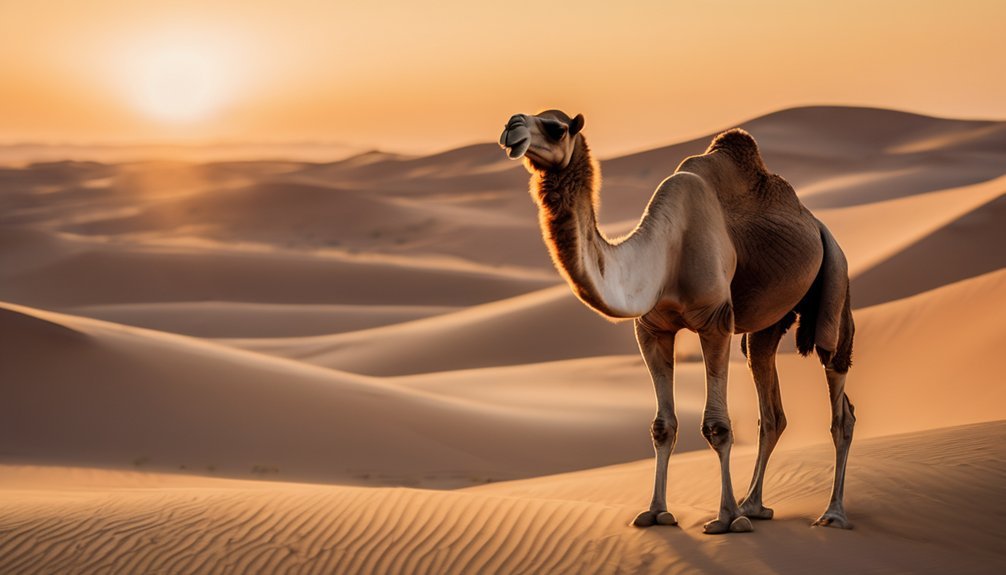
In deserts, animals survive by minimizing water loss and extracting as much moisture as possible from food and metabolism.
You can see water conservation in kangaroo rats, which produce concentrated urine and dry feces, so they rarely need to drink. Many reptiles and insects also limit evaporation with tough skin or waxy coverings.
During heat, you’ll notice they stay inactive in burrows or shade, reducing moisture loss and energy use. Desert camouflage helps them avoid predators while they move at dusk or dawn, when temperatures drop.
Some species get water from seeds, nectar, or prey, turning scarce resources into survival.
These adaptations let you understand how desert animals maintain balance in one of Earth’s driest habitats.
Polar Animals Built for Deep Cold
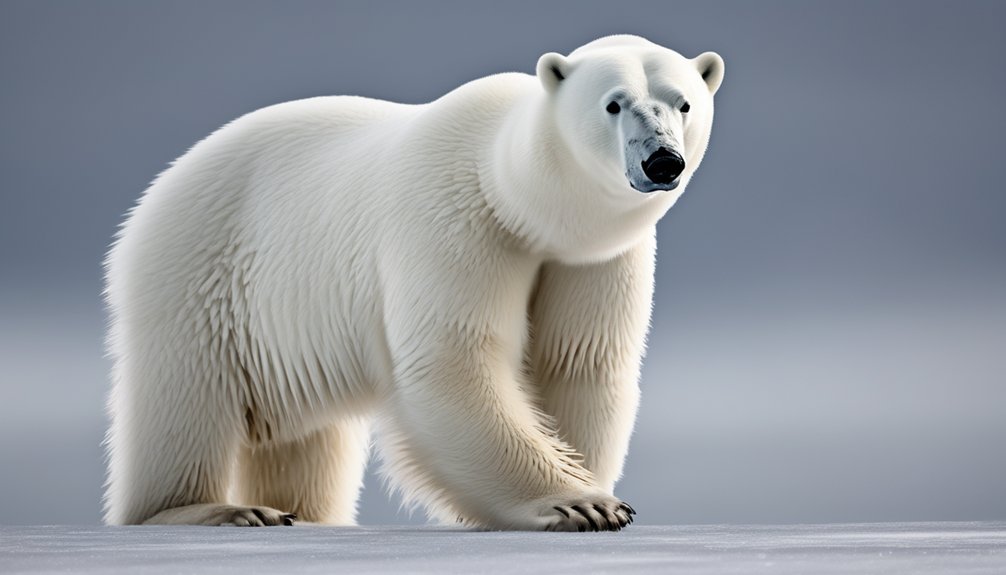
At the opposite end of the planet, polar animals face the challenge of conserving heat rather than water. You can see ice insulation in snow dens and sea ice; it slows heat loss. Thick fur layers and variable blubber thickness improve cold tolerance, while compact bodies reduce surface area.
| Trait | Effect | Cost |
|---|---|---|
| Fur layers | Trap air | Extra grooming |
| Blubber thickness | Store heat | Added mass |
| Seasonal migration | Track food | Long travel |
You’ll notice their hunting strategy stays efficient: they move briefly, then rest to save energy. Breeding adaptations, like sheltered nests and timed births, protect young during harsh weather. Together, these traits support energy conservation and help polar species endure months of deep cold.
Deep-Sea Animals That Handle Crushing Pressure
Far below the sunlit surface, deep-sea animals live under immense pressure that would crush most surface species. Their bodies rely on structural flexibility and specialized chemistry to stay functional. You can see this adaptation in fish with reduced air spaces, gelatinous tissues, and enzymes that keep working when pressure rises.
Many species also stabilize cell membranes with pressure-tolerant lipids, which helps proteins retain their shape. In the dark, bioluminescent organisms use light to attract prey, find mates, or confuse predators.
Hydrothermal vent species endure additional chemical stress, yet they exploit mineral-rich fluids for energy. Together, these animals show you how evolution can shape resilient bodies for one of Earth’s harshest habitats, where survival depends on precise physiological balance.
Mountain Animals That Thrive on Thin Air
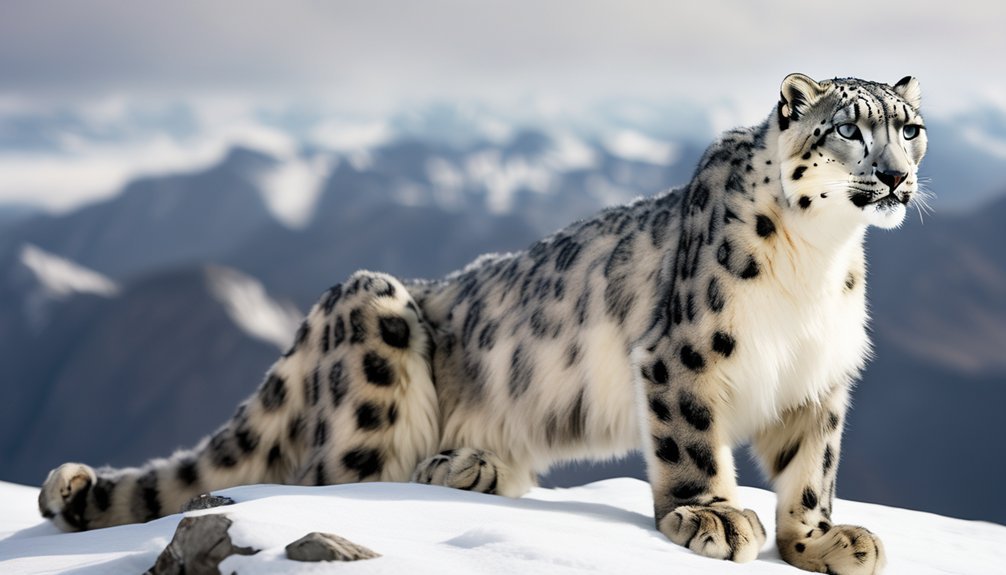
High mountains present a different kind of stress than the deep sea: instead of crushing pressure, animals face low oxygen, strong winds, cold temperatures, and intense sunlight.
You can see mountain species meet these conditions through high altitude adaptations, which keep body function efficient when air is thin. Mountain goats, for example, move with sure footing on steep slopes and conserve energy in sparse terrain.
- Larger lungs improve oxygen intake.
- Fast circulation delivers oxygen to tissues.
- Dense fur reduces heat loss.
- Strong limbs support climbing and balance.
When you observe alpine mammals and birds, you notice that each trait reflects careful evolutionary tuning.
These animals don’t ignore the mountain; they match its limits with precision and resilience.
How Extreme Animals Survive
Extreme animals survive by combining structural, physiological, and behavioral adaptations that reduce stress from heat, cold, pressure, dryness, or low oxygen.
You can see this in how they manage energy, water, and body temperature with remarkable precision. Their thermoregulation strategies help maintain stable internal conditions even when the environment shifts quickly, while behavioral adaptations let them seek shade, burrow, cluster, or change activity times to limit exposure.

You’ll also notice that many species slow metabolism, conserve moisture, or tolerate wider swings in body chemistry than you do. These responses don’t work alone; they act together, so survival depends on both internal control and external choices.
Many species slow metabolism, conserve moisture, and tolerate body chemistry swings, combining internal control with external choices.
In extreme habitats, success comes from matching physiology to conditions and timing movement carefully.
Key Adaptations That Help Animals Survive
Animals survive harsh habitats through a set of key adaptations that improve their chances of maintaining homeostasis under stress. You can see these traits as precise responses to temperature, water loss, oxygen limits, and scarce food.
Physiological adaptations regulate internal conditions, while behavioral adaptations reduce exposure to danger.
- Conserving water with efficient excretion
- Tolerating wide swings in body temperature
- Adjusting activity to cooler or safer periods
- Seeking shelter, burrows, or shade
When you examine these strategies, you notice that each one lowers energy costs and stabilizes core functions. Together, they let animals persist where ordinary physiology would fail, and they do so through flexible, measurable mechanisms rather than chance.
Famous Examples of Animals in Harsh Habitats
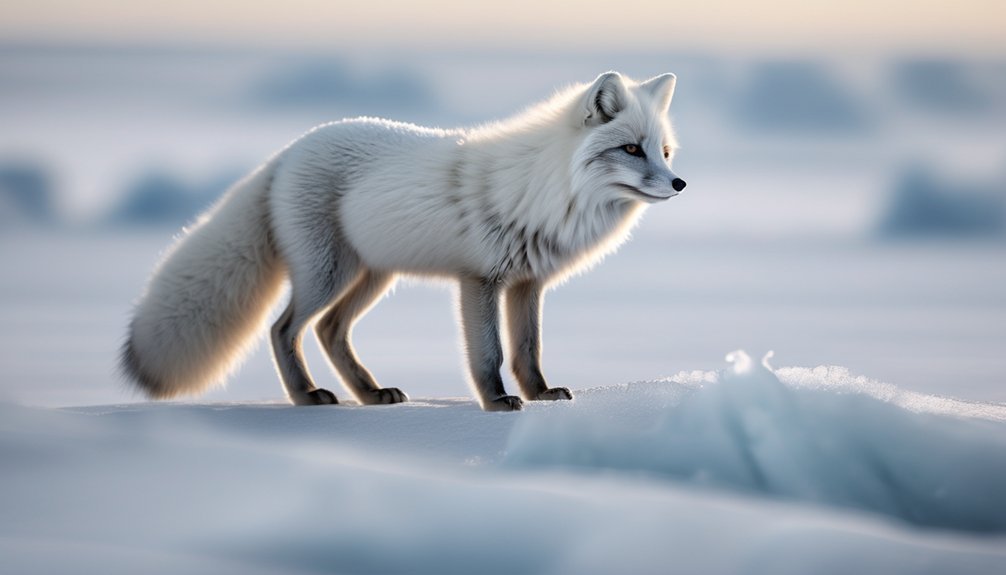
Among the most striking survivors are species such as the Arctic fox, camel, emperor penguin, and desert kangaroo rat, each of which shows how specialized traits match a particular harsh habitat.
You can also look to the tardigrade, which withstands intense drying, and the poison dart frog, which lives in a tropical rainforest yet faces constant humidity, predators, and limited shelter.
In coastal ice, the emperor penguin breeds on frozen ground, while the camel conserves water in deserts through efficient physiology.
The kangaroo rat remains active at night, limiting heat loss.
Even urban wildlife, including pigeons and rats, endures crowded, variable conditions.
Together, these animals let you see how life persists across extreme cold, heat, moisture, and human-dominated spaces.
What These Animals Teach Us About Adaptation
These examples show that adaptation is a response to specific environmental pressures, not a single universal trait. When you study extreme-habitat animals, you see how natural selection shapes both behavioral adaptations and physiological strategies.
You can think of adaptation as a toolkit tuned to heat, cold, scarcity, or pressure.
- Behavioral adaptations help animals conserve energy.
- Physiological strategies regulate water, salt, and temperature.
- Traits evolve only when they improve survival and reproduction.
- Similar pressures can produce different solutions in different species.
You learn that resilience isn’t magic; it’s measurable biology. By comparing species, you gain a clearer model of how life persists under stress.
That insight can guide ecology, conservation, and your understanding of your own limits.
Frequently Asked Questions
Which Extreme Habitat Has the Most Specialized Animals?
You’re most likely to find the most specialized animals in deserts, where Desert Adaptations drive unique traits. Polar Survival also produces highly specialized species, but deserts often force narrower, more extreme physiological solutions.
Do Animals in Extreme Environments Migrate Seasonally?
Yes—some do, like tides pulling them across a frozen map. You’ll see seasonal patterns in many species, while migration triggers include food, temperature, and breeding. Others stay put, relying on local adaptations instead.
How Do Scientists Study These Animals Safely?
You’d study them safely with remote cameras, tracking tags, drones, and noninvasive sampling, while following field research protocols and ethical considerations. You’d minimize disturbance, protect habitats, and use controlled observation to gather reliable data.
Can Extreme-Environment Animals Survive in Captivity?
Yes, some can, but captivity challenges often limit survival. You’ll see behavioral adaptations persist only when keepers match temperature, diet, and space closely. Testing this theory shows many species still struggle outside natural conditions.
Are There Undiscovered Species in Harsh Habitats?
Yes, you’ll likely find undiscovered species in harsh habitats, because you can still miss tiny, cryptic organisms. They often show undiscovered adaptations and survival strategies that help them endure heat, cold, pressure, or extreme dryness.
Conclusion
You can see that extreme environments test life in very different ways, from scorching deserts to crushing ocean depths. Yet animals adapt with precision: conserving water, storing heat, or surviving pressure. One striking statistic is that some deep-sea species live under more than 1,000 times the pressure at sea level. These examples show you how evolution shapes survival. By studying them, you gain clearer insight into adaptation, resilience, and conservation in a changing world.