If you watch a chameleon, octopus, or cuttlefish, you’ll see color change happen in seconds, not minutes. You’re looking at a system built from pigment cells, reflective layers, and precise nerve control. These animals use that system for camouflage, signaling, and sometimes temperature control. The mechanism is more complex than it first appears, and the details behind it reveal why some species can rewrite their appearance almost instantly.
Key Takeaways
- Chameleons change color using chromatophores and iridophores to communicate, camouflage, and respond to light, temperature, and social cues.
- Octopuses can instantly shift color with millions of chromatophores controlled by nerves for camouflage and signaling.
- Cuttlefish rapidly adjust pigment cells to match backgrounds and display patterns for communication.
- Squid can alter contrast and body patterns within seconds using neural control of skin cells.
- Flatfish also change skin tone quickly, helping them blend into sand, rocks, and reefs.
What Makes Animals Change Color?
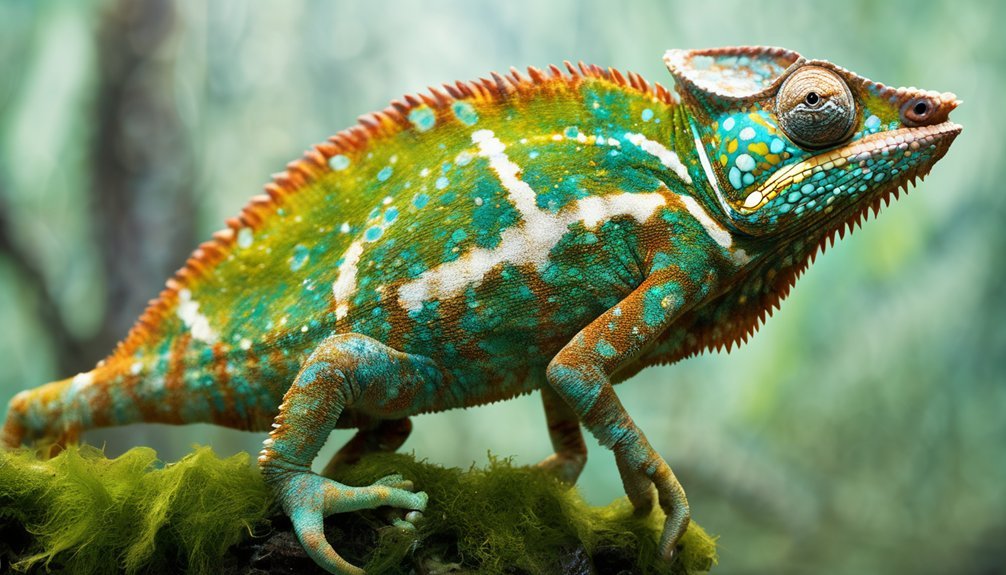
Animals change color because specialized cells in their skin or outer tissue alter the way light is absorbed, reflected, or scattered. You can think of this as a biological control system that responds to environmental triggers such as temperature, light, humidity, background pattern, and predator presence.
In many species, nerve signals and hormones shift pigment distribution or change the spacing of reflective structures, producing rapid visual change. You’ll also see color shifts linked to emotional responses, including stress, aggression, courtship, or fear, because internal chemistry influences those cells.
The result can improve camouflage, communication, thermoregulation, or warning display. When you watch an animal darken, brighten, or pattern-shift, you’re seeing physiology and environment interact with remarkable precision.

How Chameleons Change Color
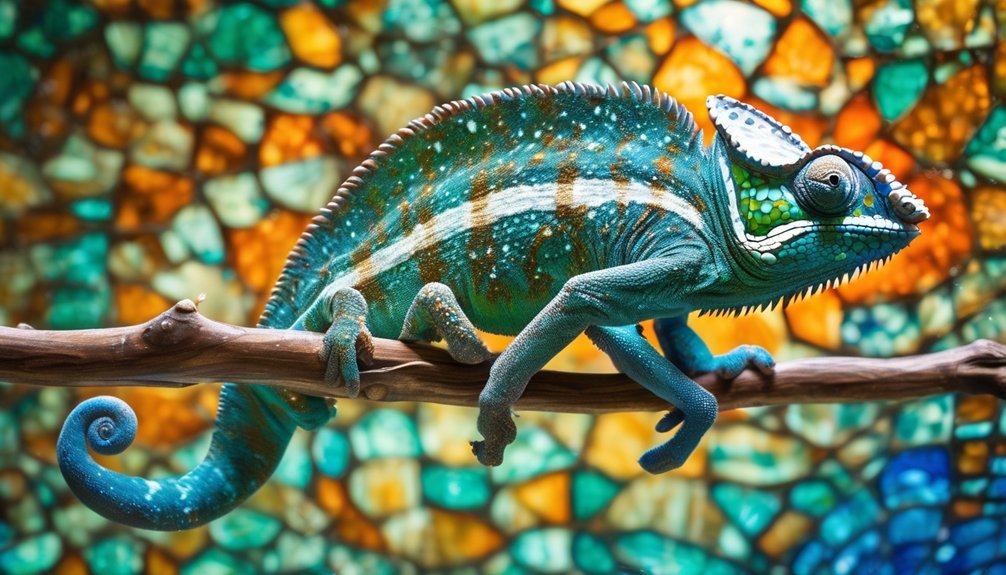
Chameleons change color through specialized skin layers called chromatophores and iridophores, which work together to alter how light is absorbed and reflected.
You can see this response in your close study of their skin, where pigment cells and nanostructures shift appearance with precision. In chameleon habitats, this flexibility helps them match surroundings and communicate subtle states.
Your color perception may notice changes in green, brown, yellow, or blue, but the animal’s system stays highly controlled.
- Chromatophores spread pigment.
- Iridophores reflect specific wavelengths.
- Nerves and hormones adjust the pattern.
- Light, temperature, and social signals influence the result.
Why Octopuses Change Color So Fast
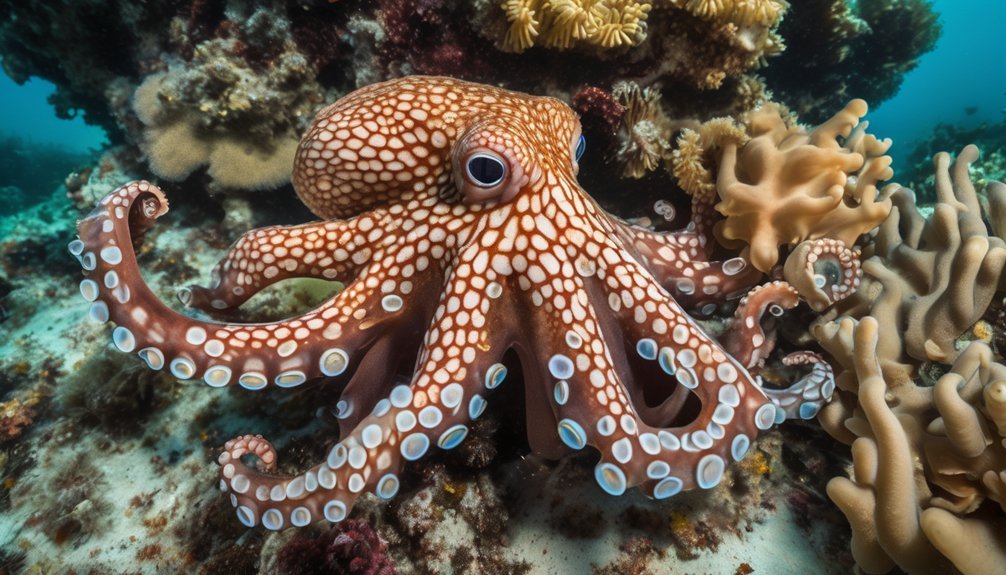
Although octopuses lack the layered skin structure of chameleons, they change color much faster because their skin contains millions of pigment sacs called chromatophores that can expand or contract in fractions of a second. You can see this speed support both octopus communication and camouflage evolution. Nerves trigger muscles around each sac, while reflective cells below them alter brightness.
| Mechanism | Effect |
|---|---|
| Chromatophores | Rapid pigment display |
| Muscles | Fast sac control |
| Nerves | Immediate signaling |
| Reflective cells | Light tuning |
| Skin patterns | Adaptive signaling |
Because you’re observing a soft-bodied predator, every shift can match nearby rock, sand, or reef texture. That precision helps an octopus warn rivals, attract mates, and vanish from predators without delay.
Other Color-Changing Sea Animals
While octopuses are the most famous marine color changers, you’ll also find this ability in cuttlefish, squid, and some flatfish, each using specialized skin or body structures to blend with their surroundings or signal other individuals.
You can notice:
- Cuttlefish, which rapidly tune pigments with chromatophores.
- Squid, which alter contrast and patterns in seconds.
- Flatfish, including color changing fish, that shift tones through skin cells.
- Adaptive coloration in these animals, which helps regulate visibility and communication.
You’re seeing a controlled biological process, not magic. Neural signals and hormonal cues coordinate pigment movement, reflective layers, and surface texture.
In your view, these species show how marine animals use precise physiology to match changing light, substrate, or social context.
How Color Change Creates Camouflage
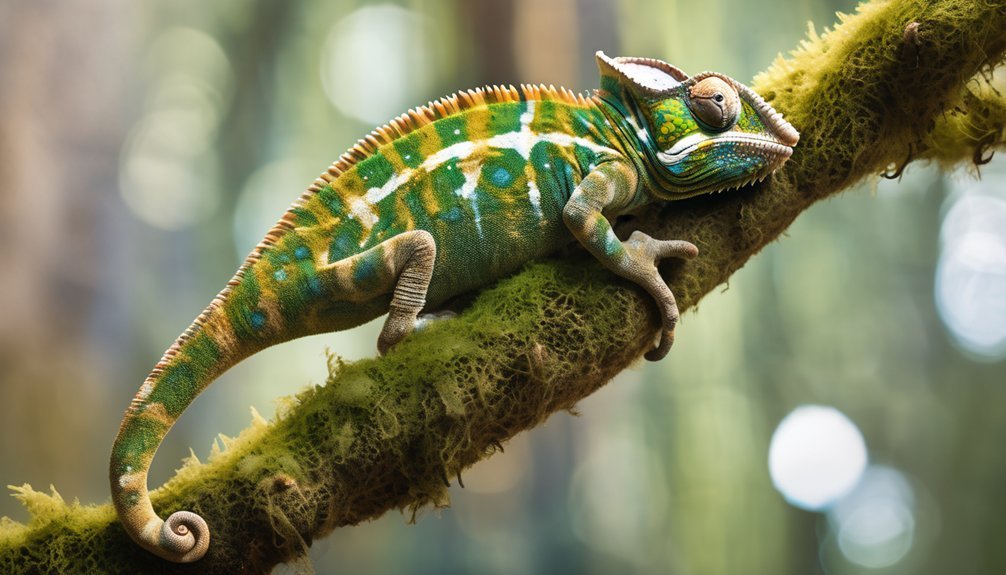
Camouflage works when an animal changes color to reduce contrast with its background, making its outline harder for predators or prey to detect.
You can see this in species whose skin contains pigment cells that expand or contract in response to light, texture, and nearby hues. Those shifts let the animal blend with sand, coral, leaves, or rock within seconds.
Environmental factors such as temperature, illumination, and substrate complexity shape how well the match works.
Temperature, light, and the complexity of the surface all influence how effective the camouflage becomes.
Over time, adaptive evolution has favored individuals that adjust more precisely, because better concealment improves survival and feeding success.

You’re looking at a dynamic form of protection, not static decoration, and it depends on rapid sensory input, neural control, and finely tuned pigment movement.
Color Changes for Mating and Warnings
- Courtship colors can indicate fitness.
- Pattern changes can reinforce dominance.
- Threat displays can prevent direct conflict.
- Signals can shift within seconds.
You’re witnessing a refined visual language, one shaped by selection to manage intimacy, competition, and survival.
How Pigment Cells Change Color
Color change in many animals begins with specialized pigment cells that reorganize what you see at the skin’s surface. You can think of these cells as tiny packets of color controlled by nerves, hormones, and local signals.
When the cell’s internal filaments shift, pigment dispersion spreads granules through branching arms, darkening the skin; when they contract, the color fades. In cephalopods and some fishes, this response happens fast enough for you to notice in seconds.
The effect depends on light, body angle, and background, so color perception changes with viewing conditions too. Because the cells act across layers, the animal doesn’t create new pigment; it simply redistributes what’s already there.
That makes the change reversible, precise, and tightly regulated.
What Scientists Learn From Color-Changing Animals
By studying animals that change color, scientists learn how cells coordinate rapid visible responses to light, stress, temperature, social signals, and background patterns.
Animals that change color reveal how cells rapidly respond to light, stress, temperature, and surroundings.
You can see how pigment cells, neural control, and hormones interact with environmental signals to shift appearance in seconds. Researchers use these animals to test adaptive evolution, because color change often improves camouflage, communication, and survival.
You also gain insight into tissue mechanics, gene regulation, and sensory integration.
- Detecting threats fast
- Matching habitats precisely
- Signaling mates or rivals
- Conserving energy under stress
These findings help you understand how biology converts external cues into precise behavior and how evolution shapes flexible traits.
Frequently Asked Questions
Which Animal Changes Color the Fastest?
You’d likely point to the cuttlefish, which changes color fastest. Its cuttlefish camouflage uses specialized skin cells and neural control for rapid signaling, while chameleon adaptations work more slowly for thermal and social regulation.
Can Color-Changing Animals See Their Own Colors?
Yes, you can assume many color-changing animals do see their own colors through color perception. Their vision helps regulate displays, giving an evolutionary advantage for camouflage, signaling, and communication, though species differ in accuracy.
Do Baby Color-Changing Animals Change Color Too?
Yes, baby chameleons can change color too; oddly, you might notice it right when you’re expecting stillness. Their color adaptation begins early, though it’s less precise than in adults and serves communication, camouflage, and thermoregulation.
Can These Animals Change Color in Complete Darkness?
Yes, you can expect limited color change in complete darkness, because many species rely on color perception cues from their environment; however, nocturnal adaptation still lets them adjust contrasts, brightness, and camouflage weakly.
Are Color Changes Always Visible to Predators?
No, you don’t always see them; like whispers in a storm, color adaptation can outpace predator perception, and many shifts blend with background, occur in low light, or remain partly hidden from your eyes.
Conclusion
You see that color change is more than a trick; it is a living allegory for adaptation. Like a skilled envoy, an animal reads its world, then adjusts its surface to protect itself, attract a mate, or signal danger. Through chromatophores and iridophores, you witness biology translating stimulus into instant response. These species remind you that survival often depends on flexibility, perception, and precise communication in a changing environment.