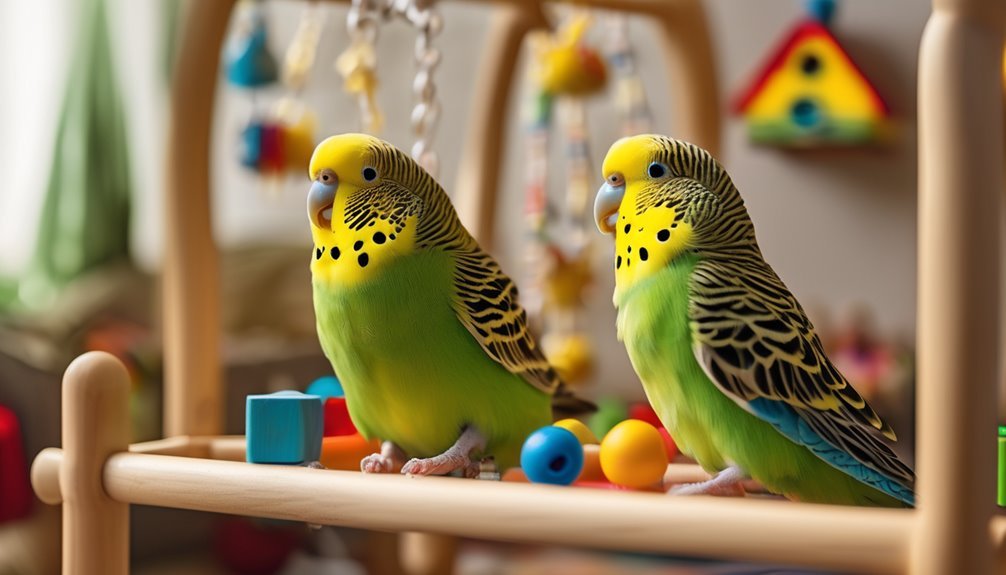
If you’re considering a bird as your first pet, you’re in for a rewarding experience. Parakeets and cockatiels stand out as excellent choices for beginners due to their friendly nature and interactive behaviors. These birds not only adapt well to home life but also thrive on companionship. Understanding what makes them tick and how to care for them is crucial. Let’s explore what you need to know to make an informed choice.
Key Takeaways
- Parakeets and Cockatiels are excellent choices for beginners due to their friendly nature and ease of care.
- Small size makes these birds suitable for cozy living spaces, requiring minimal room for a habitat.
- Daily interaction is essential for bonding, enhancing companionship and socialization with your bird.
- Understanding bird behavior through body language and vocalizations helps meet their emotional and physical needs.
- Long-term commitment is necessary, including budgeting for food, vet care, and a stimulating environment.
Why Choose a Bird as a Pet?
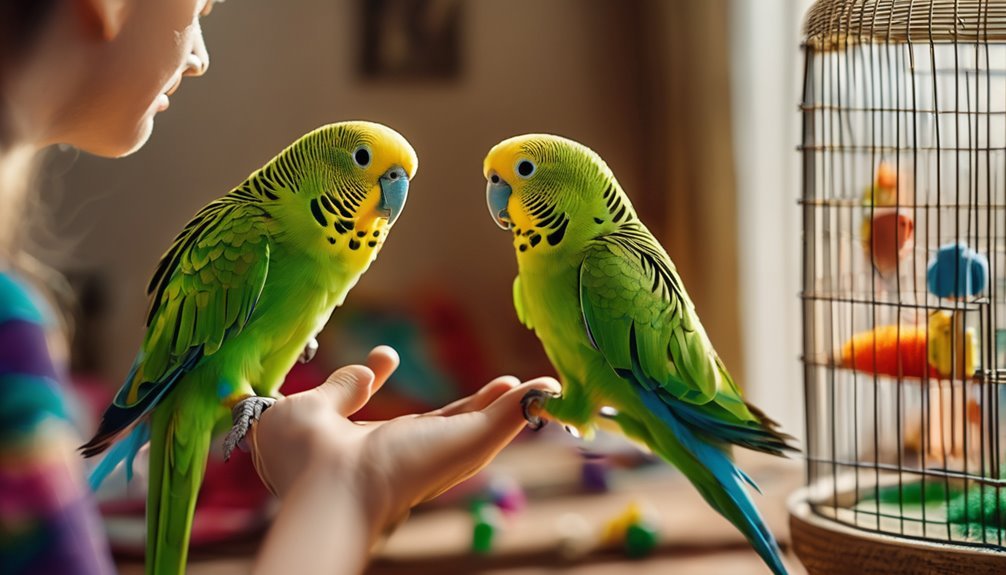
When considering a pet, birds often stand out as a fantastic choice for beginners. They offer unique bird companionship that can brighten your home. Unlike some pets, birds don’t require extensive space, making them ideal for smaller living areas.
Their vibrant personalities and intelligence make bonding easy, and you’ll find joy in their playful antics and chatter.
Owning a bird also teaches you about pet responsibility. You’ll need to provide proper care, a balanced diet, and mental stimulation. This commitment can deepen your connection and foster a loving environment.
Plus, watching your feathered friend thrive under your care can be incredibly rewarding. If you’re ready to embrace this delightful journey, a bird might just be the perfect companion for you.

Choosing the Right Bird: Criteria for Beginners
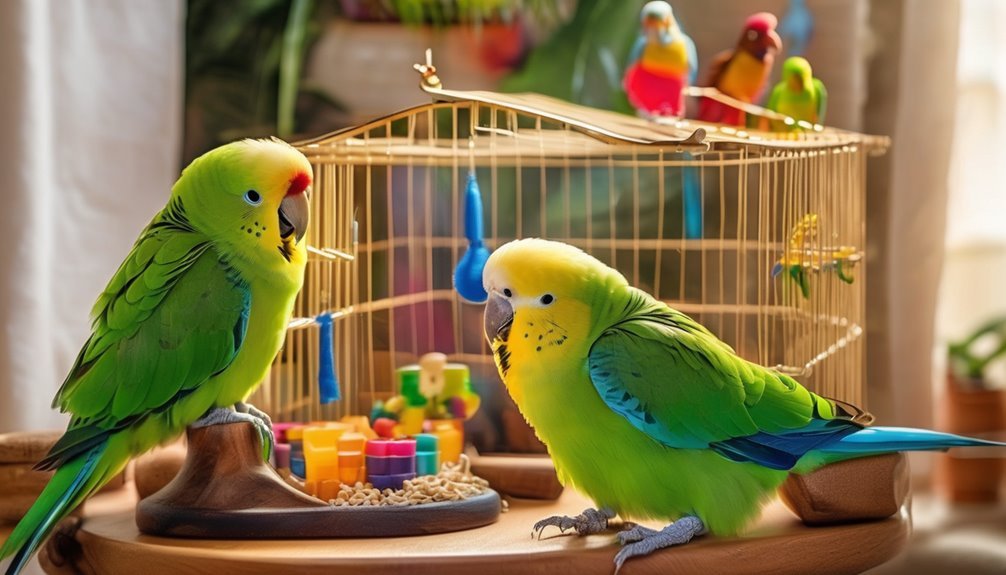
How do you choose the right bird for your lifestyle? Start by considering bird size and temperament traits. Smaller birds may fit better in cozy spaces, while larger birds can be more demanding. Think about how much time you can dedicate to bonding and care.
Here’s a simple guide to help you decide:
| Bird Size | Temperament Traits | Ideal Owner |
|---|---|---|
| Small (Budgie) | Friendly, playful | First-time owners |
| Medium (Conure) | Social, affectionate | Active individuals |
| Large (Amazon) | Vocal, intelligent | Experienced owners |
| Extra Large | Independent, strong-willed | Dedicated enthusiasts |
Top Bird Species for Beginners
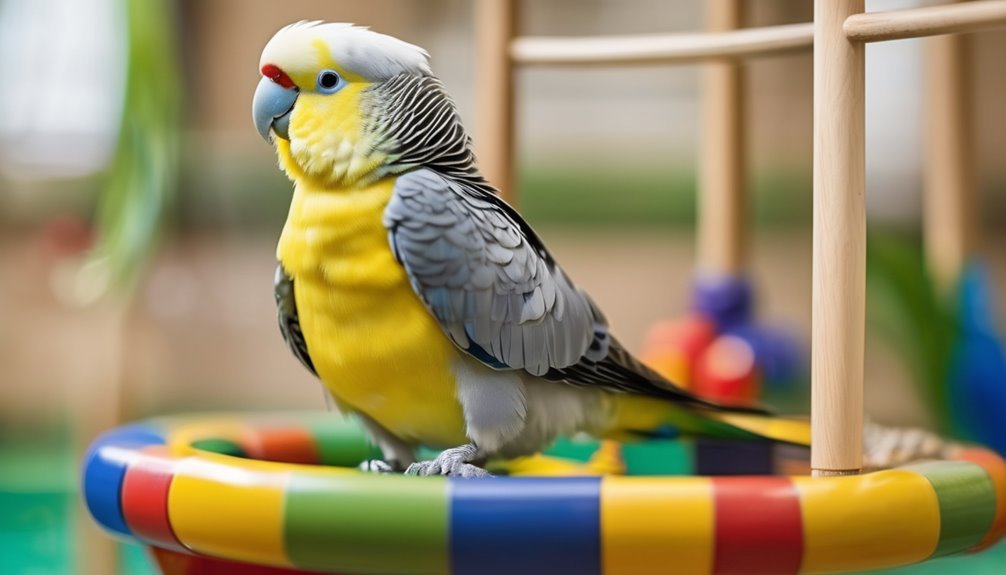
Choosing the right bird species can make all the difference for beginner bird owners. Parakeets are a fantastic choice; they’re social, playful, and relatively easy to care for. With proper parakeet care, you’ll find they thrive on interaction and can even learn to talk!
Cockatiels are another excellent option, known for their charming personalities and affectionate nature. Their playful antics and beautiful crests make them a joy to have around. Plus, cockatiel characteristics, like their ability to whistle and mimic sounds, add to their charm.
Both species require a commitment to daily interaction, so be ready to bond and engage. With the right species, you’ll find companionship and joy in your new feathered friend.
Understanding Bird Behavior and Personality
Understanding your bird’s behavior and personality is key to building a strong bond. Birds communicate not just through sounds but also through their body language. Paying attention to these cues helps you understand their needs and feelings better.
Here are three important aspects to observe:
- Body Language: Notice their posture. A relaxed bird may fluff up or preen, while a puffed-up bird might feel threatened.
- Vocal Communication: Listen to their sounds. Soft chirps often indicate happiness, while loud squawking might signal distress or boredom.
- Social Interaction: Observe how they engage with you and their surroundings. A curious bird shows interest, while a withdrawn one may need more attention.
Creating a Comfortable Habitat
Creating a comfortable habitat for your bird is essential for its happiness and well-being. Start by choosing the right cage size; it should be spacious enough for your bird to fly and stretch its wings. A good rule of thumb is that the cage should be at least two to three times the wingspan of your bird.
Next, focus on environmental enrichment. Include perches of varying sizes and textures, toys that stimulate their curiosity, and safe items to chew on. Rotate toys regularly to keep things fresh and exciting.
Lastly, ensure the habitat is placed in a quiet area, away from drafts and direct sunlight. Creating this cozy environment will help your bird thrive and feel secure.
Feeding Your Bird: Essential Guidelines
Once your bird’s habitat is set up, paying attention to its diet is just as vital for its health and happiness.
A balanced diet ensures your feathered friend thrives, so here are some essential guidelines to follow:
- Seed Selection: Choose high-quality birdseed that’s appropriate for your bird species. Avoid seed mixes heavy in fillers like millet.
- Fresh Fruits and Vegetables: Incorporate a variety of fresh produce to provide essential vitamins. Leafy greens, berries, and carrots are great options.
- Nutritional Supplements: Consider adding vitamins or minerals to their diet, especially if your bird is picky about food.
Consult your vet for specific recommendations.
How to Socialize Your New Bird?
Socializing your new bird is crucial for building trust and a strong bond, as this helps them feel secure in their new environment.

Start with simple bonding techniques, like talking softly to them and offering treats from your hand. These actions not only create positive associations but also encourage them to approach you.
Incorporate socialization activities, such as gentle playtime outside the cage, to help them adjust to your presence. Spend time in the same room, letting your bird observe you while you engage in daily tasks.
Consistency is key—dedicate a few minutes each day for interaction.
Recognizing and Preventing Common Health Issues in Pet Birds
Many pet bird owners may not realize how vital it’s to recognize and prevent common health issues in their feathered friends.
Being proactive about symptoms recognition can make a significant difference in your bird’s well-being.
Here are three essential tips for preventive care:
- Observe Behavior: Changes in eating, vocalization, or activity levels can signal health problems.
- Check Physical Signs: Look for signs like ruffled feathers, discharge from the eyes or nose, or changes in droppings.
- Regular Vet Visits: Schedule routine check-ups to catch any potential issues early.
How to Train Your Bird: Basic Tricks
Training your bird can be a rewarding experience that strengthens your bond and enriches its life. Start with basic tricks like “step up” or “wave.” Use positive reinforcement to encourage desired behaviors—this can be treats, praise, or head scratches.
Clicker training is an effective method; the sound of the clicker signals to your bird that it’s done something right. Begin by clicking and rewarding when your bird performs the desired action, even if it’s just showing interest.
Be patient and consistent, as each bird learns at its own pace. Always keep training sessions short and fun to prevent boredom.
With time, your bird won’t only learn tricks but also grow more comfortable and trusting with you.
What You Need to Know About Long-Term Bird Care
Caring for a bird long-term requires commitment and attention to detail, as these vibrant creatures thrive on both physical and emotional well-being.
You’ll need to consider several key aspects to ensure a happy life for your feathered friend:
- Long-Term Commitment: Birds can live for decades, so be prepared for a lifelong relationship that includes daily interaction and care.
- Financial Considerations: Budget for ongoing expenses like food, toys, and veterinary care, which can add up over time.
- Environment: Create a stimulating habitat with plenty of space, perches, and enrichment activities to keep your bird engaged and healthy.
Frequently Asked Questions
Can Birds Live Alone or Do They Need Companions?
Birds can live alone, but most thrive with companions due to their social behaviors. While some species are solitary, many enjoy interaction, so consider their needs and personality before deciding on a solo setup.
What Are the Costs Associated With Bird Ownership?
Bird ownership can feel like building a tiny kingdom! Initial setup costs soar with cages, food, and toys, while ongoing expenses include food, vet visits, and supplies. You’ll invest both time and money for your feathery friend.
How Long Do Different Bird Species Typically Live?
Different bird species have varying lifespans; for instance, small parrots might live 10-15 years, while larger ones can reach 50+. Lifespan factors include diet, environment, and genetics, so choose wisely to maximize your feathered friend’s years.
Do Birds Require Special Veterinary Care?
Yes, birds require special veterinary care. Their unique health needs often necessitate visits to avian veterinarians who specialize in bird health. Regular check-ups ensure your feathered friend stays happy and healthy throughout their life.
Can Children Safely Interact With Pet Birds?
Absolutely, kids can safely interact with pet birds! Just like a dance, keep child supervision close to ensure harmony. Watch bird behavior for signs of comfort or stress, fostering a delightful bond between them.
Conclusion
Choosing a bird as a pet can bring joy and companionship into your life. By selecting the right species, creating a nurturing environment, and engaging with your feathered friend, you’ll foster a rewarding relationship. Remember, socialization, training, and vigilance for health issues are key to your bird’s happiness and longevity. Embrace the journey, enjoy the laughs, and cherish the moments. With a little effort, you’ll find that caring for a bird is both fulfilling and fun!