You might think understanding your dog’s body language is too complicated, but it’s actually quite manageable with a little observation. Every wag of the tail or flick of the ear tells you something important about how your dog feels. By tuning into these signals, you can respond more effectively to their needs. So, what do those subtle movements really mean, and how can they strengthen your bond? Let’s explore the nuances together.
Key Takeaways
- Observe tail movements: wagging indicates joy, while a tucked tail suggests fear or submission.
- Pay attention to ear positions: forward ears show alertness, while pinned ears indicate stress or discomfort.
- Assess body posture: a relaxed dog has soft body language, while a tense dog displays stiff legs and raised fur.
- Watch for signs of stress: excessive panting, pacing, or hiding can indicate anxiety or discomfort in your dog.
- Create a safe environment: understanding these signals helps provide reassurance and calming techniques for your dog.
Why Understanding Dog Body Language Is Essential

Understanding your dog’s body language is essential, especially since it can reveal their feelings and needs without a single bark. By tuning into these behavioral cues, you can foster a deeper bond and enhance your emotional awareness.
Notice how your dog reacts in different situations—are their ears perked up or their tail tucked? These subtle signals can indicate everything from excitement to anxiety. When you recognize what your dog is communicating, you can respond more effectively, ensuring they feel safe and understood.
This attentiveness not only strengthens your relationship but also helps you anticipate their needs, creating a harmonious environment. Embracing this understanding transforms your interactions, making them richer and more meaningful for both you and your furry friend.
Key Signals: Tail Position and Movement Explained
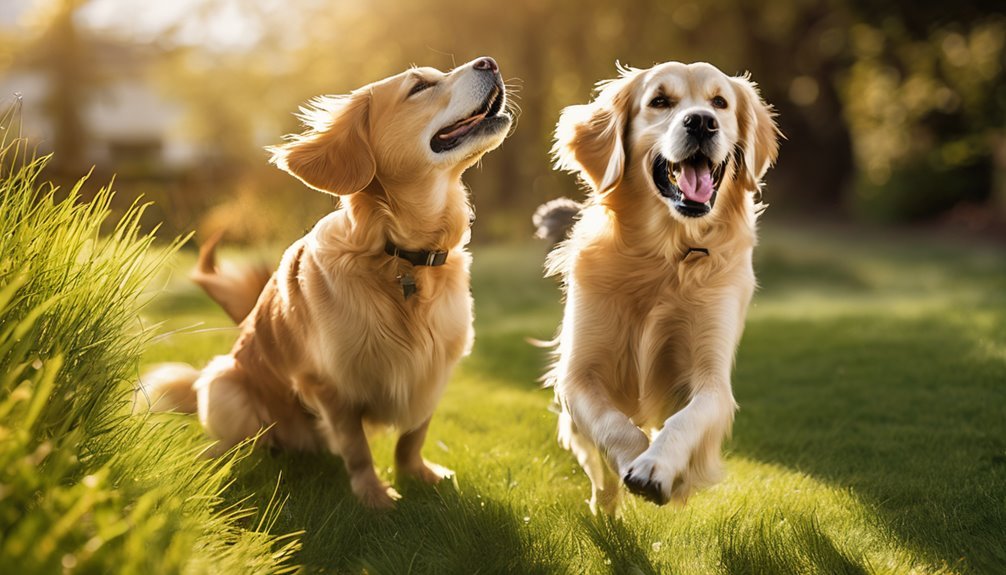
Recognizing your dog’s tail position and movement can reveal a wealth of information about their mood and intentions.

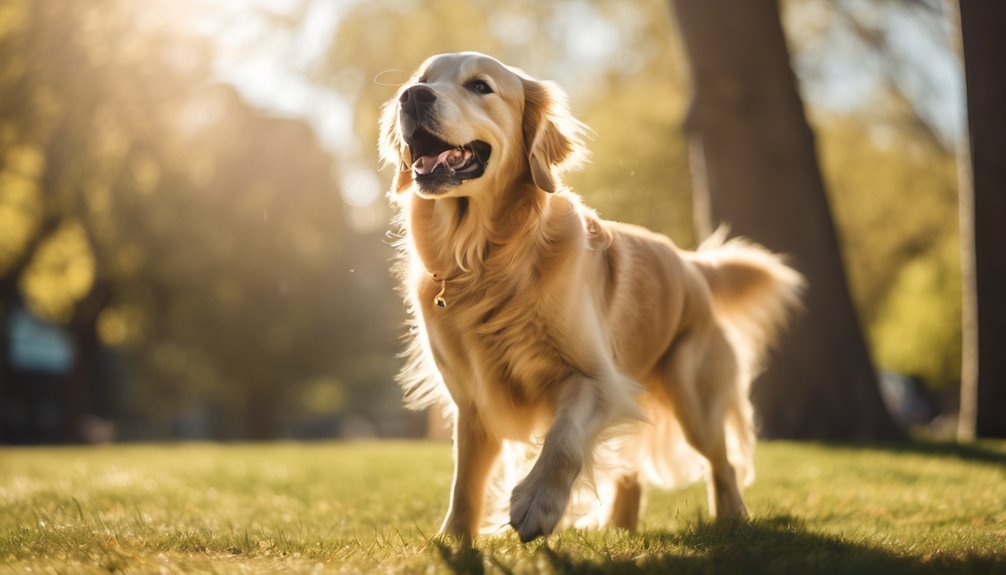
When you see enthusiastic tail wagging, it often indicates joy and excitement, especially if it’s accompanied by a relaxed body. This joyful signal can show your pup’s eagerness to play or interact.
On the other hand, a tail tucked between the legs typically signals fear or submission. If your dog retreats with a tucked tail, it’s essential to approach gently, as they may need reassurance.
By observing these tail movements, you deepen your bond, understanding your dog’s feelings better and creating a comforting environment for them.
How Ear Positions Reflect Your Dog’s Emotions
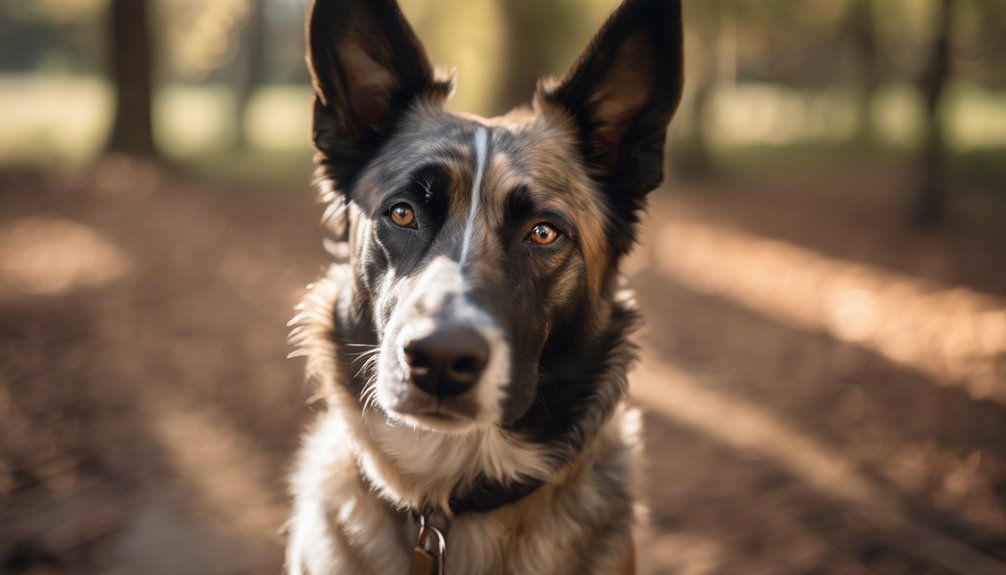
Your dog’s ears are like antennas, picking up on their emotions and environment. Understanding ear positioning helps you decode emotional cues. Different breeds have unique ear shapes that influence how they communicate. Pay attention to context, as it’s crucial in interpreting signals.
Here’s a quick guide:
| Ear Positioning | Emotional State |
|---|---|
| Ears up and forward | Alert states |
| Ears relaxed | Relaxed signals |
| Ears back slightly | Uncertain or curious |
| Ears pinned back | Stress indicators |
| Ears flicking | Attention-seeking |
The Role of Eye Contact in Dog Communication
Eye contact plays a significant role in how dogs communicate their feelings and intentions. When your dog meets your gaze, it often signals social bonding, enhancing trust between you.
This eye contact importance isn’t just about connection; it can also convey emotional responses. If your dog maintains eye contact while displaying relaxed body language, it’s a positive communication cue.
However, prolonged staring can indicate dominance signals or attention-seeking behavior, so it’s essential to read the surrounding context. Engaging visually with your dog fosters a deeper relationship, allowing you both to understand each other better.
Recognizing Relaxed vs. Tense Body Postures
When observing your dog’s body posture, you’ll quickly notice that relaxed and tense stances convey different feelings. A relaxed posture often includes a soft body, loose tail, and gentle eyes, signaling comfort and trust. These emotional cues indicate your dog feels safe in their environment.
In contrast, tense signals like stiff legs, raised fur, and a rigid tail can reveal stress or discomfort. Recognizing these body language differences is essential for understanding your pup’s comfort zones.
Spotting Playful Behavior in Dogs
While observing your dog during playtime, you’ll notice distinct behaviors that signal they’re ready to have fun. Look for those happy leaps and wagging tails that convey pure joy.
Playful barks often accompany this excitement, along with playful nudges inviting you to join in. If your dog performs a friendly bow or spins with enthusiasm, they’re inviting some social play.
You might hear playful growls as they engage, indicating they’re feeling feisty. Watch for chase invitations, where they dart away, urging you to follow.
Teasing nips can be a playful gesture, but always ensure they’re light-hearted. By recognizing these signs, you’ll deepen your bond and enjoy those precious moments of joy together.
Identifying Signs of Stress and Anxiety in Dogs
Stress and anxiety can manifest in various ways in your dog, often leaving you searching for clues.
Look for key stress indicators, like excessive panting, pacing, or hiding. These anxiety signs reveal how your pup reacts to environmental triggers, such as loud noises or new people.

Observe behavioral changes—if your usually playful dog suddenly withdraws, it’s time to pay attention.
Body language cues, like a tucked tail or pinned ears, indicate discomfort.
You can help by introducing calming techniques, such as providing a safe space or engaging in gentle play.
How Vocalizations Enhance Body Language Interpretation
Understanding your dog’s body language becomes even clearer when you pay attention to their vocalizations. Each bark, whine, or growl adds depth to the message they’re conveying.
For instance, a high-pitched yelp often signals excitement or distress, while a low growl can indicate warning or discomfort. Notice how the vocal tone shifts with their emotions; a happy dog might bark rapidly, while a fearful one may produce softer, hesitant sounds.
Sound frequency also plays a crucial role—higher frequencies often suggest playfulness, while lower frequencies may denote aggression.
Building Trust With Your Dog’s Body Language
To build trust with your dog, it’s essential to recognize and respond to their body language. Watch for signs like relaxed ears and a wagging tail; these indicate comfort.
Engage in bonding activities, such as gentle play or training sessions, to create positive experiences together. Trust exercises, like letting your dog approach you at their own pace, can help them feel secure.
Always respect their space—if they seem hesitant, give them time. Your calm demeanor reassures them that they’re safe.
Common Misinterpretations of Dog Body Language
How often do we misread our dogs’ signals, thinking a wagging tail means they’re happy when it might indicate excitement or anxiety?
It’s crucial to recognize these tail wagging myths and avoid dominance misconceptions. Here are some common misinterpretations:
Recognizing tail wagging myths is essential for understanding our dogs’ true emotions and avoiding dominance misconceptions.
- A wagging tail can signal nervousness, not joy.
- Growling might be a warning, not a playful invitation.
- A lowered head can indicate submission, but also fear.
- Stiff body posture often means a dog feels threatened.
Understanding these nuances deepens your connection with your furry friend.
By tuning into their true emotions, you can respond compassionately, ensuring they feel safe and understood.
It’s all about building that intimate bond through careful observation and empathy.
Frequently Asked Questions
How Can I Train My Dog to Respond to My Body Language?
To train your dog to respond to your body language, use positive reinforcement consistently. Observe their reactions to your cues, rewarding them when they respond correctly. This builds trust and strengthens your bond through clear communication.
Do Different Breeds Have Unique Body Language Signals?
Absolutely, different breeds do have unique body language signals. You’ll notice breed-specific signals influenced by cultural differences, helping you connect with your dog on a deeper level. Observing these nuances strengthens your bond and enhances communication.
What Should I Do if My Dog Misreads My Signals?
If your dog misreads your signals, stay calm and reassess your communication. Use positive reinforcement to reward them for correct responses, helping to clarify miscommunication cues. Patience and understanding strengthen your bond, enhancing mutual trust.
Can My Dog’s Body Language Change With Age?
Yes, your dog’s body language can change with age due to age-related changes. As your dog becomes a senior, watch for new signals like slower movements or different reactions—these reflect their evolving needs and comfort.
How Does My Dog’s Environment Affect Its Body Language?
Your dog’s environment shapes its body language like a painter’s canvas. Environmental triggers and social interactions can evoke a symphony of responses, revealing feelings that deepen your bond. Pay attention; their emotions speak volumes.
Conclusion
By tuning into your dog’s body language, you’re not just observing; you’re building a deeper connection. Imagine if your dog could speak—understanding their signals is the next best thing. Recognizing their emotions and needs fosters trust and strengthens your bond. So, the next time you see a wagging tail or pinned ears, remember: you hold the key to their world. With a little patience and empathy, you can truly enhance your dog’s happiness and well-being.