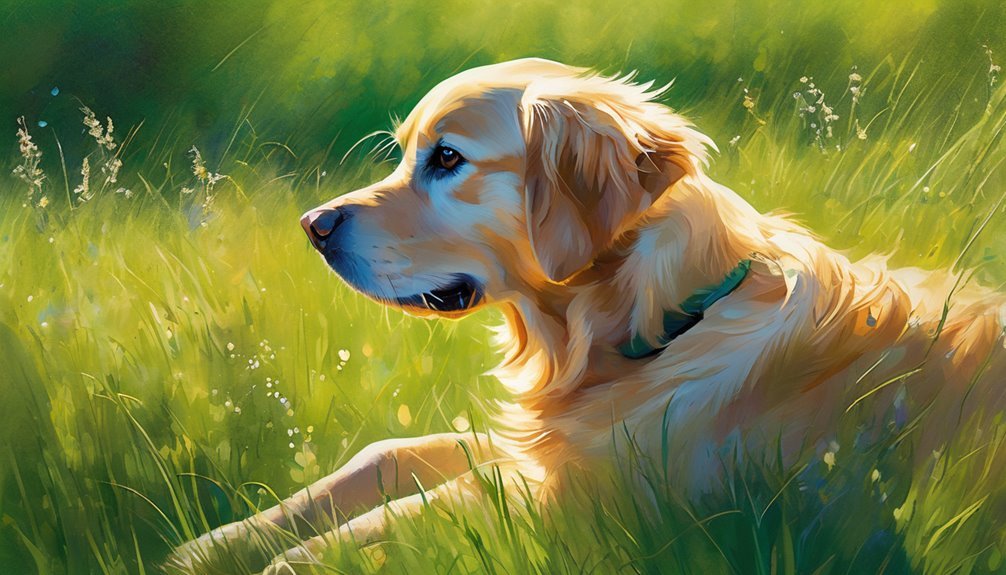
You’ve probably watched your dog munching on grass, wondering what’s going on in their mind. This behavior can be puzzling, as it often stems from various motivations—some benign, others potentially concerning. Understanding why your dog feels compelled to graze can help you address their needs more effectively. So, what drives this grass-eating habit, and should you be worried about it? Let’s explore the reasons behind this curious canine behavior.
Key Takeaways
- Dogs may eat grass out of instinct, boredom, or curiosity, mimicking behavior seen in other animals.
- Grass can provide fiber, aiding digestion and helping relieve constipation in some dogs.
- Certain grass types may offer nutritional benefits, but be cautious of toxic varieties.
- Excessive grass eating can indicate gastrointestinal discomfort or nutritional deficiencies, requiring veterinary consultation.
- Regular vet check-ups can monitor health and address any unusual behaviors related to grass consumption.
Why Do Dogs Eat Grass?
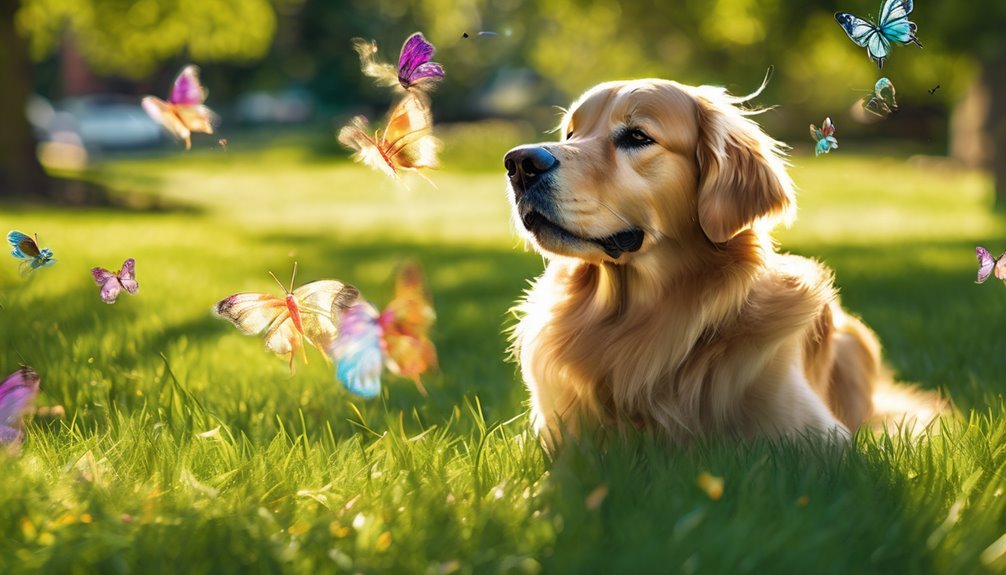
Why do dogs munch on grass, despite being primarily carnivorous? You might find it puzzling, but many dogs enjoy nibbling on various grass types.
This behavior often stems from instinct or boredom, but it can also provide nutritional benefits. Certain grasses contain fiber, which aids digestion, helping your furry friend feel more comfortable.
Moreover, dogs might seek out specific grass types rich in vitamins or minerals, contributing to their overall health. While it’s not a substitute for their regular diet, these greens can supplement their nutritional needs.
Understanding this seemingly odd habit can deepen your bond with your dog, as you recognize their natural instincts and nutritional desires. It’s a quirky way they connect with the world around them.
Is Grass Eating a Health Concern?

While grass eating can seem harmless, it raises valid concerns for many dog owners. You might worry about grass toxicity, especially if your dog munches on chemically treated lawns or wild grasses. Some grass types can be harmful, leading to potential health risks.

Additionally, if your dog’s grass-eating seems excessive, it could signal nutritional deficiencies. Dogs sometimes seek out grass to compensate for missing vitamins or minerals in their diet. Keeping an eye on their overall health and eating habits is essential.
If you notice unusual behavior or persistent grass consumption, consulting your vet can provide clarity and peace of mind. Understanding these factors can help you ensure your furry friend’s health and happiness.
How Does Grass Affect Dog Digestion?

Although many dog owners might dismiss grass-eating as a quirky behavior, it can actually play a significant role in your dog’s digestion. When your pup munches on grass, it may help stimulate their digestive system, promoting better nutrient absorption.
Grass digestion can introduce fiber, which aids in moving food through the intestines, potentially easing constipation. Some dogs even seem to eat grass instinctively when they’re feeling unwell, possibly as a natural way to induce vomiting and relieve discomfort.
Understanding this behavior can deepen your connection with your furry friend, as it highlights their instinct to seek balance in their canine nutrition.
Do Dogs Eat Grass Because It’s Instinctive?
Many pet owners wonder if their dogs eat grass due to instinctual behavior rather than a specific dietary need.
It’s possible that this behavior stems from their ancestors, who engaged in natural foraging.
Here are three reasons why your dog might indulge in this grassy snack:
- Natural Foraging: Dogs may instinctively seek out plants as part of their ancestral diet.
- Digestive Relief: Some believe dogs eat grass to help themselves feel better when they’ve an upset stomach.
- Boredom or Curiosity: Exploring their environment and tasting different textures can be a natural part of their play.
Understanding that this behavior can be instinctual helps you appreciate your dog’s connection to their roots, offering insight into their natural instincts.
Does Boredom Cause Dogs to Eat Grass?
Ever wonder if your dog’s grass munching could stem from boredom? It’s possible! Dogs, like us, can feel restless when they lack stimulation.
If your pup spends too much time alone or doesn’t have enough alternative activities, it might turn to grass for boredom relief. Chewing on grass can be a way to pass the time or even a form of self-soothing.
To help your furry friend, consider introducing new toys, engaging in daily walks, or even playing fetch.
These activities can redirect their energy and keep their minds sharp. By providing a variety of options, you’ll not only keep them entertained but also reduce the likelihood of unwanted grass snacking.
Your dog will appreciate the effort!
What Types of Grass Are Safe for Dogs?
When you see your dog munching on grass, you might wonder which types are safe for them to eat. While some grass varieties are harmless, others can be toxic.
Here are three safe grass varieties to consider:
- Kentucky Bluegrass: Soft and palatable, it’s a favorite among many dogs.
- Perennial Ryegrass: This grass is resilient and easy on your pup’s tummy.
- Tall Fescue: Known for its durability, it’s also a safe option for snacking.
However, be cautious of toxic grass types like Bermuda grass or certain ornamental grasses, which can cause digestive issues.
Always monitor your dog’s behavior, and consult your vet if you have concerns about their grass-eating habits. Your pup’s safety is the priority!
How to Ensure Your Dog’s Diet Meets Their Needs
While it’s interesting to watch your dog nibble on safe grasses, ensuring their overall diet meets nutritional needs is far more important.

A balanced nutrition plan should consist of high-quality proteins, healthy fats, and essential vitamins. Pay attention to your dog’s specific age, size, and activity level to tailor their meals accordingly.
Fresh fruits and vegetables can offer additional nutrients and variety. If you notice any gaps in their diet, consider incorporating dietary supplements, but consult your veterinarian first to find the right options.
What to Do if Your Dog Eats Grass Frequently?
If you notice your dog eating grass frequently, it’s essential to assess the situation calmly and thoughtfully.
Understanding the reasons behind this behavior can help you address it effectively. Here are three steps to consider:
1. Observe Behavioral Triggers: Pay attention to when and where your dog eats grass.
Is it during walks, after meals, or when anxious? This can provide insight into their motivations.
2. Introduce Grass Alternatives**: Offer safe, dog-friendly plants** or herbs, like wheatgrass or cat grass, to satisfy their craving without the risks associated with regular grass.
3. Adjust Their Diet: Ensure their nutritional needs are met.
Sometimes, nutritional gaps can lead to unusual behaviors.
When to Consult a Veterinarian About Grass Eating?
Have you noticed your dog frequently munching on grass and wondered if it’s time to consult a veterinarian?
If your pup’s grass-eating habit seems excessive, it might signal underlying issues. Pay attention if they show signs of distress, such as vomiting or lethargy, as these could indicate dietary deficiencies or gastrointestinal problems.
If you suspect your dog isn’t getting balanced nutrition, consider discussing grass alternatives with your vet to ensure they’re receiving the nutrients they need.
It’s better to be proactive; regular grass consumption could point to anxiety or boredom as well.
Trust your instincts—if something feels off, don’t hesitate to reach out to a professional. Your dog’s health and happiness depend on you!
Final Thoughts on Dogs Eating Grass
Understanding why dogs eat grass can be perplexing, especially when their behavior seems puzzling or concerning.
Understanding why dogs eat grass can be puzzling, especially when their behavior raises concerns.
It’s essential to consider a few factors that might explain this seemingly odd grass behavior:
- Nutritional Needs: Your dog might be lacking certain nutrients, prompting them to seek out grass for a boost.
- Digestive Aid: Some dogs eat grass to help with digestive issues, which can lead to nausea or discomfort.
- Instinctual Behavior: For many dogs, nibbling on grass is simply a natural instinct, reflecting their ancestral habits.
While it’s usually harmless, keep an eye on your dog.
If their grass-eating escalates or is accompanied by other symptoms, consulting a vet can help ensure their health and well-being.
Frequently Asked Questions
Can Eating Grass Indicate a Nutritional Deficiency in My Dog?
Yes, eating grass can suggest a nutritional imbalance. If you notice this behavior, consider making dietary adjustments to ensure your dog’s meals provide the essential nutrients they need for optimal health and well-being.
Is It Safe for Puppies to Eat Grass?
Yes, it’s generally safe for puppies to eat grass, but monitor their behavior. Some grass types can be harmful. Ensure they avoid chemically treated areas and focus on natural, untreated grass for a healthier experience.
Do Certain Breeds Eat More Grass Than Others?
Certain breeds do show different tendencies. Some dogs might prefer grass due to instinct, while others might munch for dietary needs. Understanding these breed tendencies helps you cater to their unique grass preferences and behaviors.
Can Grass Eating Lead to Any Long-Term Health Issues?
Eating grass can lead to digestive issues, especially if it’s toxic. While occasional nibbling isn’t usually harmful, consistent grass consumption might indicate underlying problems. Monitoring your pup’s habits is crucial for their long-term health.
How Can I Discourage My Dog From Eating Grass?
To discourage your dog from eating grass, use positive reinforcement for alternative behaviors, employ distraction techniques during walks, provide safe alternatives like chew toys, and practice behavioral observation to understand triggers and adjust accordingly.
Conclusion
In conclusion, while your dog munching on grass may seem puzzling, it’s often a natural behavior rooted in instinct or a response to discomfort. Think of it as your dog’s way of seeking solace in a green meadow. However, if it becomes a habit or leads to health issues, it’s crucial to address it. By ensuring a balanced diet and providing mental stimulation, you can nurture a happy, healthy pup who finds joy in more than just grass.