You might be surprised to learn that many human foods are not only safe for dogs but can also provide them with essential nutrients. While common snacks like chocolate and grapes are harmful, there are plenty of healthy options to consider. Understanding which fruits, vegetables, and proteins benefit your pet is crucial. Curious about the best choices for your furry friend? Let’s explore the safe options together.
Key Takeaways
- Safe fruits for dogs include apples, blueberries, and bananas, which provide essential vitamins and antioxidants.
- Vegetables like carrots, green beans, and sweet potatoes are nutritious options that promote health.
- Lean meats such as chicken, turkey, and beef offer vital protein and nutrients for dogs.
- Grains like quinoa and brown rice are healthy, with quinoa being gluten-free and brown rice providing extra fiber.
- Always introduce new foods gradually to monitor for any allergic reactions or digestive issues.
What Human Foods Can Dogs Safely Enjoy?
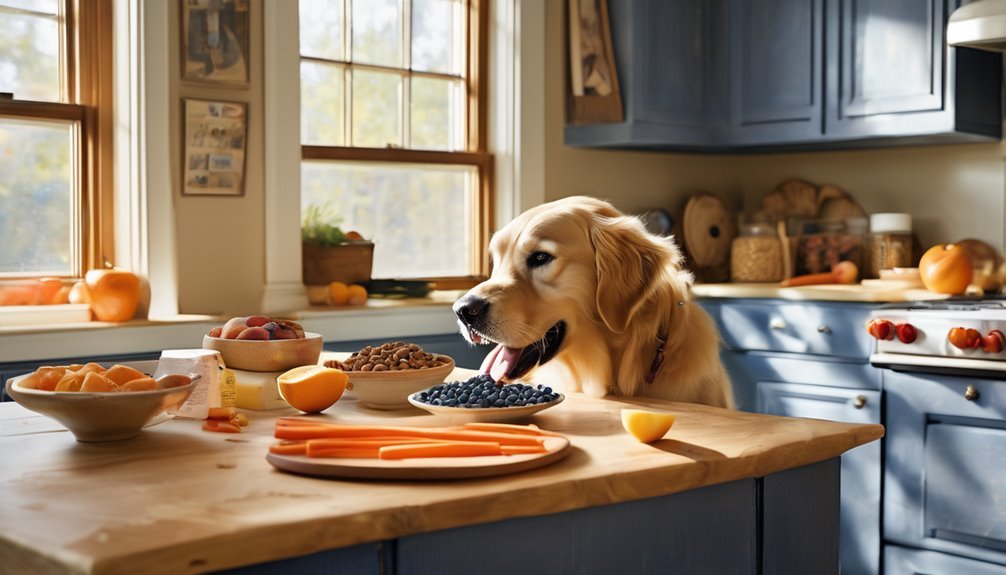
When it comes to sharing your meals with your furry friend, knowing which human foods are safe for dogs is essential. Many dogs can enjoy fruits like apples and blueberries, or veggies like carrots and green beans. These treats aren’t only tasty but also packed with nutrients.
However, it’s crucial to practice healthy portioning; too much of even safe foods can lead to digestive issues. If your dog has food allergies, always introduce new items slowly and watch for any adverse reactions.
Lean meats like chicken or turkey can also be a great addition to their diet when cooked properly, without spices or sauces. Remember, moderation is key to keeping your pup happy and healthy!
Foods to Avoid for Dog Safety
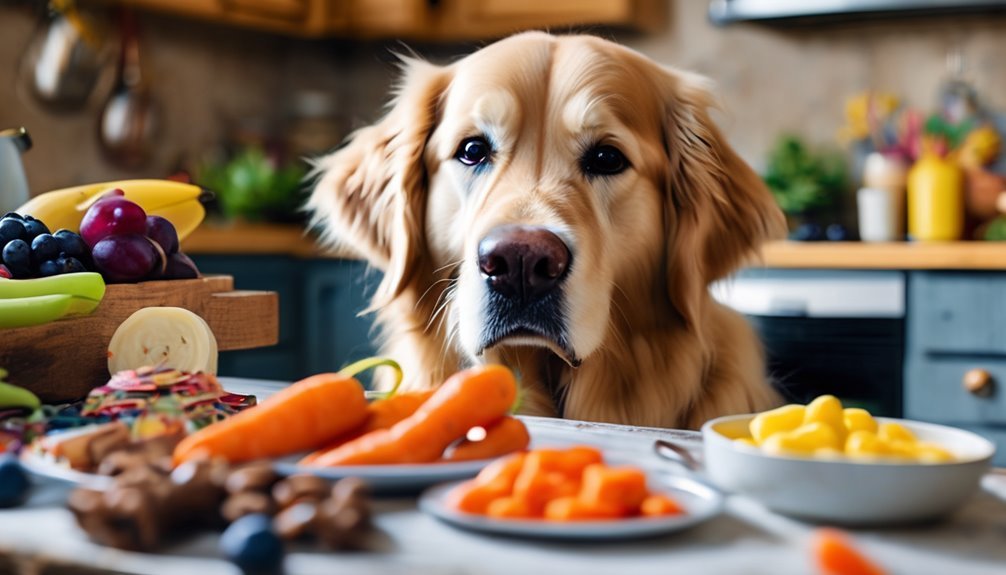
While many human foods are safe for dogs, several common items can pose serious health risks. It’s crucial to keep these toxic foods away from your furry friend to prevent allergy risks and more severe health issues.

Here are three items to avoid:
- Chocolate: Even small amounts can lead to toxic reactions, causing vomiting and increased heart rate.
- Onions and Garlic: These can damage red blood cells, leading to anemia and lethargy.
- Grapes and Raisins: Even a few can cause kidney failure, making them extremely dangerous.
Being mindful of these foods ensures your dog stays happy and healthy. Always consult your vet if you’re unsure about what’s safe for your beloved companion.
Human Foods: Fruits That Are Healthy for Dogs
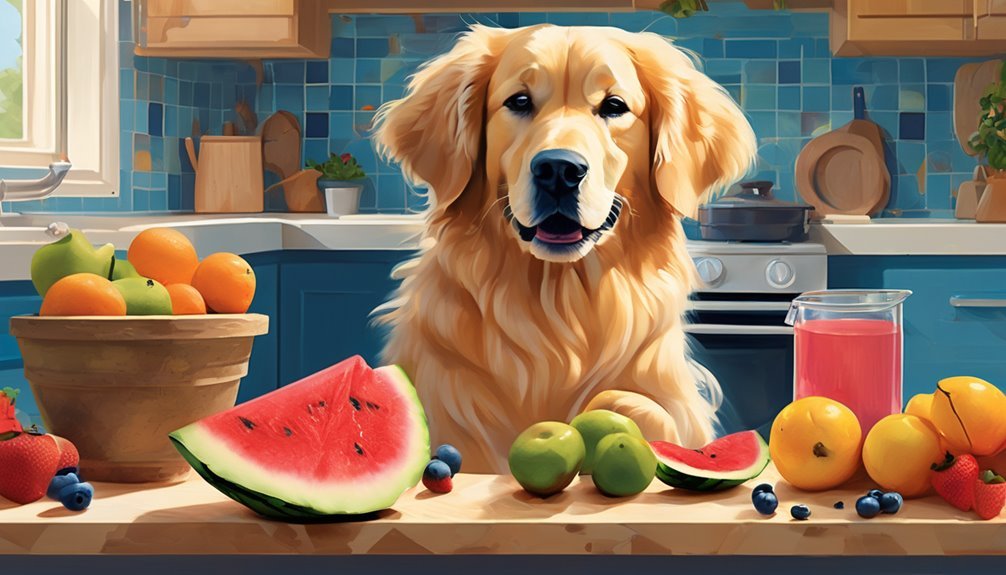
After ensuring your dog steers clear of harmful foods, you might wonder which human foods are safe and beneficial for them.
Fruits can be a delightful and healthy addition to your dog’s diet. Apples, blueberries, and bananas offer dog fruit benefits like vitamins, antioxidants, and fiber. These treats can promote digestion and boost overall health.
Remember to serve safe fruit servings; for instance, one or two apple slices or a small handful of blueberries is perfect. Always remove seeds and pits, as they can be harmful.
Introducing fruits gradually helps you monitor for any allergic reactions. With the right choices, you can enrich your dog’s meals while keeping them happy and healthy!
Vegetables Dogs Can Snack On
Although many pet owners stick to commercial dog food, incorporating vegetables can significantly enhance your dog’s diet. Vegetables provide essential nutrients and can be a delicious treat.
Incorporating vegetables into your dog’s diet can boost nutrition and create delightful mealtime moments.
Here are three great options:
- Carrot sticks: Crunchy and sweet, these are perfect for dental health.
- Green beans: Low in calories and high in fiber, they’ll keep your pup satisfied.
- Sweet potatoes: Packed with vitamins, they make a tasty and nutritious snack.
Other safe choices include cucumber slices, bell peppers, zucchini strips, peas, and broccoli florets.
Always introduce new veggies gradually and watch for any adverse reactions. By adding these healthy snacks, you’ll not only diversify your dog’s diet but also strengthen your bond through shared mealtime experiences.
Grains and Carbohydrates Safe for Dogs
Many pet owners may not realize that certain grains and carbohydrates can be beneficial for dogs. Quinoa is a fantastic option; it’s packed with protein, fiber, and essential amino acids, making it great for your pup’s overall health. It’s also gluten-free, reducing the risk of digestive issues.
When it comes to rice options, both brown and white rice are safe and easily digestible. Brown rice offers more nutrients and fiber, while white rice can help soothe upset stomachs.
These grains can provide energy and support a balanced diet. Just remember to serve them in moderation and always cook them properly. Incorporating these grains thoughtfully can enhance your dog’s meals and keep them happy and healthy.

Proteins: Which Meats Are Dog-Friendly?
In addition to grains, incorporating the right proteins into your dog’s diet is vital for their health and energy. Choosing dog-friendly meats can provide essential nutrients. Here are some great options:
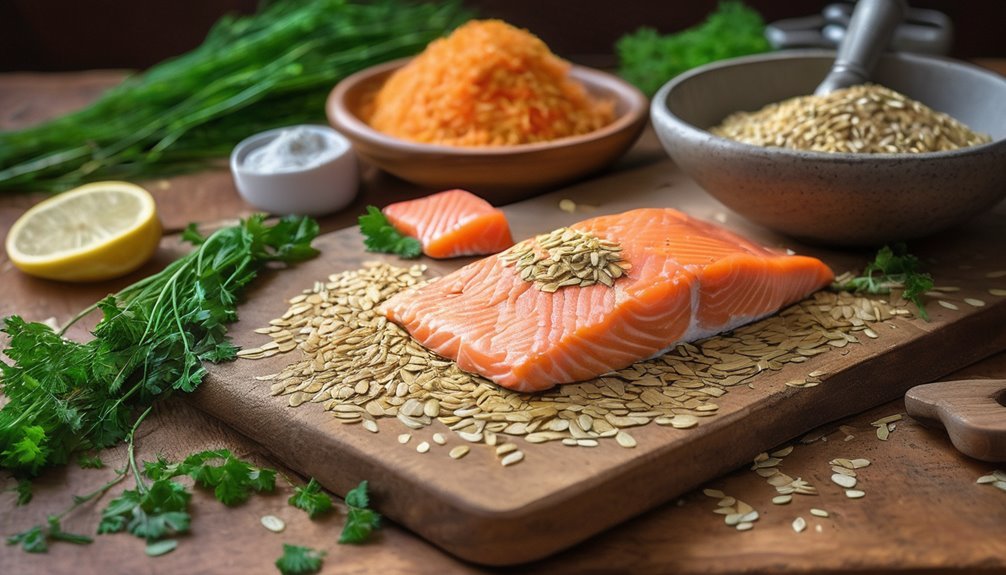
- Beef: Packed with protein and iron, the beef benefits include muscle development and overall vitality.
- Chicken: A lean protein source, chicken choices are easy to digest and rich in essential amino acids, perfect for maintaining your dog’s energy levels.
- Turkey: Low in fat and high in protein, turkey is another excellent option that can help manage your dog’s weight while providing important nutrients.
Remember to cook these meats thoroughly and avoid seasoning. Your furry friend will appreciate the delicious addition!
Is Dairy Safe for Dogs?
Wondering if dairy is safe for your dog? The truth is, it can vary. Some dogs have lactose tolerance and can enjoy small amounts of dairy, like plain yogurt or cheese, without issues.
However, many dogs are lactose intolerant, meaning they can’t properly digest dairy, leading to upset stomachs or diarrhea.
If you’re considering adding dairy to your dog’s diet, start with a tiny amount and monitor for any adverse reactions. If your pup shows signs of discomfort, it’s best to explore dairy alternatives, such as coconut yogurt or almond milk made for dogs.
Always consult your vet before introducing new foods, ensuring your furry friend stays happy and healthy!
Are Sugary Treats Safe for Dogs?
- Sweet fruits: Apples, blueberries, and bananas can satisfy your dog’s sweet tooth without the harmful effects of sugar.
- Sugar alternatives: Some sugar substitutes, like xylitol, are toxic to dogs, so always check labels and choose safe options.
- Homemade snacks: You can create delicious treats using oats, peanut butter, and those sweet fruits for a guilt-free indulgence.
How to Safely Introduce New Foods to Your Dog?
When introducing new foods to your dog, it’s essential to do so gradually to monitor for any adverse reactions.
Start with small portions of the new food mixed with their regular diet, allowing for gradual exposure. This helps your dog adjust and lets you observe any digestive issues or allergies.
Wait a few days before increasing the amount, watching for signs of discomfort or changes in behavior.
If all goes well, you can continue the food introduction, but if you notice any negative reactions, stop immediately and consult your vet.
Remember, patience is key; each dog is unique, and some may take longer to adapt than others.
Enjoy this journey of discovery together!
Frequently Asked Questions
Can Dogs Eat Leftovers From My Dinner Plate?
Yes, you can share leftovers with your dog, but ensure they’re safe and healthy. Practice portion control to avoid overfeeding, and always check for harmful ingredients to keep your furry friend happy and healthy.
What Are Common Signs of Food Allergies in Dogs?
You notice Bella scratching excessively, her fur thinning. Common allergic reactions include itchy skin and gastrointestinal issues. Watch for food sensitivity signs like vomiting or diarrhea, and consult your vet for a proper diagnosis.
Are There Any Safe Seasonings for Dog Food?
You can safely use dog-friendly herbs like parsley, basil, and rosemary as seasoning alternatives. These add flavor without harmful effects, making your dog’s meals tastier and healthier. Always introduce new ingredients gradually to monitor any reactions.
Can I Give My Dog Chocolate-Flavored Treats?
Chocolate-flavored treats can be a tempting mirage, but they pose serious risks due to chocolate toxicity. Instead, opt for safe dog treat alternatives that satisfy your pup’s cravings without the danger. Their health matters!
How Much Human Food Can I Safely Give My Dog?
You can safely give your dog small portions of human food, focusing on safe vegetables like carrots and green beans. Always monitor their reactions and consult your vet for personalized recommendations on portion sizes.
Conclusion
While it might seem tempting to share your leftover pizza or chocolate cake with your furry friend, remember that not all human foods are created equal. Instead, indulge them with healthy fruits and veggies that can boost their health—who knew carrots could make your dog feel like a superstar? By choosing wisely and introducing new foods gradually, you’ll keep your pup happy and healthy, proving that you don’t need to serve gourmet meals to be a great pet parent.