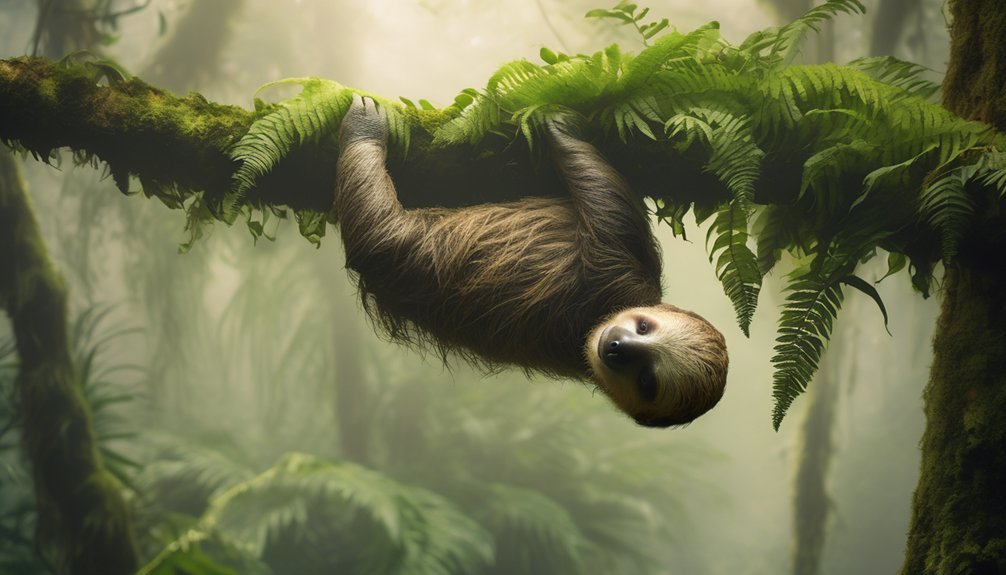
You expect sleep to mean stillness, but in many animals it means survival in motion. You’ll see dolphins resting one brain hemisphere at a time, birds maintaining flight while alternating neural activity, and sloths hanging upside down in slow, energy-saving naps. Some marine species barely pause at all. These patterns aren’t oddities; they’re adaptations shaped by predators, food limits, and habitat pressures. The most unusual cases go even further.
Key Takeaways
- Dolphins sleep with one brain hemisphere at a time, staying alert enough to breathe and watch for danger.
- Horses and zebras can sleep standing up by locking their legs, allowing a quick escape from predators.
- Sloths often nap while hanging upside down, conserving energy with very low movement and slow breathing.
- Swifts and frigatebirds can sleep while flying, using one resting hemisphere to keep migrating across long distances.
- Many marine animals rest in unusual ways, such as sharks swimming to breathe and octopuses changing color during sleep.
Dolphins’ Half-Brain Sleep
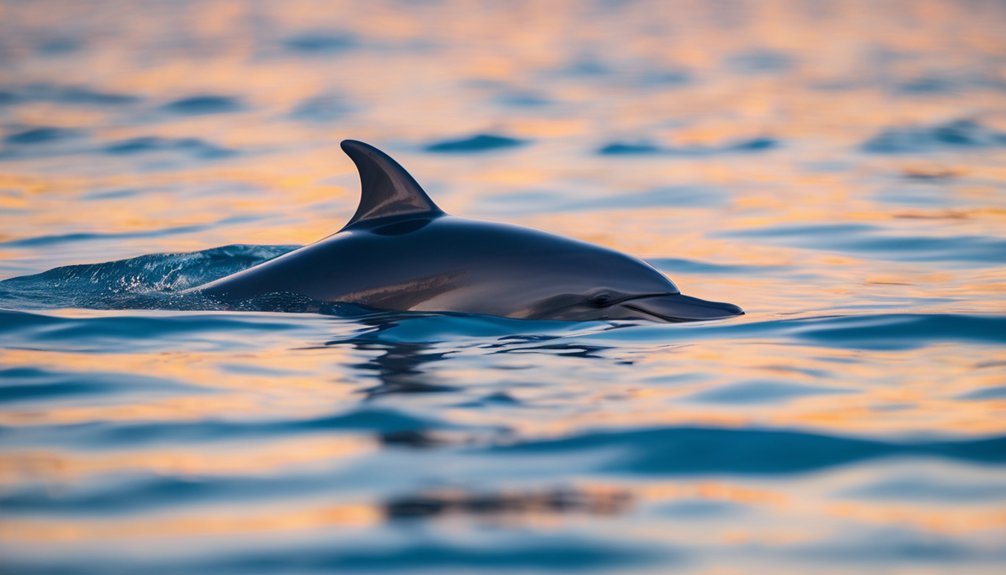
Dolphins sleep with only one cerebral hemisphere at a time, a pattern known as unihemispheric slow-wave sleep. You can observe that one brain hemisphere stays active while the other rests, then they switch sides after a period.
This arrangement lets you keep breathing, monitor your surroundings, and maintain dolphin communication within the pod. You’re seeing a highly controlled state, not full unconsciousness, and it’s remarkable for its precision.
During rest, the awake hemisphere can track movement, sound, and social cues, while the sleeping side shows slower electrical activity. Because you rely on continuous surface access, this pattern supports survival in open water.

The awake hemisphere tracks movement and sound, while the resting side slows, supporting survival at the surface.
It also reveals how closely physiology and behavior align in a species that never truly disconnects from its environment.
Why Some Animals Sleep Standing Up
Sleep in animals can be just as specialized as the dolphin’s half-brain rest, and standing sleep is another adaptation shaped by survival needs.
You’ll see it in horses, zebras, and some birds, where a standing posture lets the body stay ready for a quick response. Their limb joints can lock, and posture-supporting muscles reduce effort, so sleep doesn’t require full collapse.
This pattern improves predator avoidance because an animal can flee or alert the group within seconds. You may notice that standing sleep is usually light and brief, with the brain keeping enough control to maintain balance.
In open habitats, that balance matters. When danger is constant, resting upright helps you understand how survival can shape even the smallest details of daily behavior.
Sloths’ Slow, Upside-Down Naps
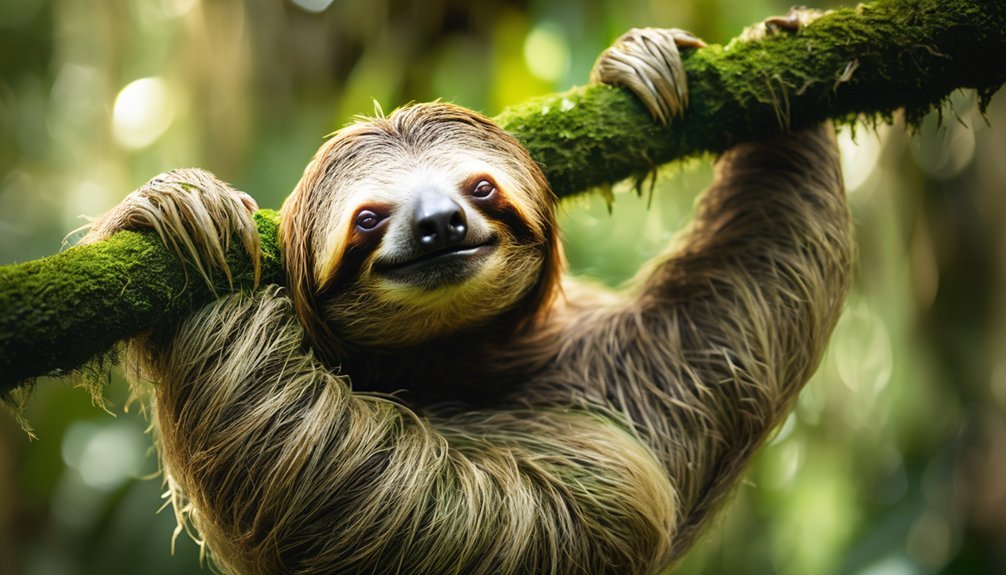
Unlike many mammals that rest on the ground, sloths spend most of their lives hanging upside down from tree branches, and that posture shapes how they sleep. You can observe slow breathing, low muscle activity, and long stillness during these pauses. Their sloth behavior conserves energy because leaves provide limited calories. Upside down resting also lets their hooked limbs lock onto branches with little effort.
| Feature | Observation | Effect |
|---|---|---|
| Body position | Suspended head-down | Stable sleep site |
| Metabolism | Very low | Energy saved |
| Movement | Minimal | Reduced disturbance |
You may notice they wake briefly to reposition, then settle again. This quiet pattern suits their arboreal life and keeps you aware that sleep can be a careful, efficient strategy.
Birds That Sleep While Flying
If sloths show how posture can shape rest, birds reveal an even stranger adaptation: some species can sleep while staying airborne.
You can observe this in swifts, frigatebirds, and certain seabirds, which use flying techniques that conserve energy while maintaining lift. They often let one hemisphere of the brain rest at a time, so they keep navigation and balance active.
During long migratory patterns, this partial sleep helps them cross vast distances without landing. Their wings may shift into steady glides, reducing muscular effort, while their eyes stay partly alert to air currents and threats.
During long migrations, they glide half-asleep, crossing vast distances without ever fully surrendering to the sky.
You’re seeing a precise compromise: rest, but never full surrender to gravity. This ability makes flight not just movement, but a carefully managed physiological state.
How Marine Animals Rest
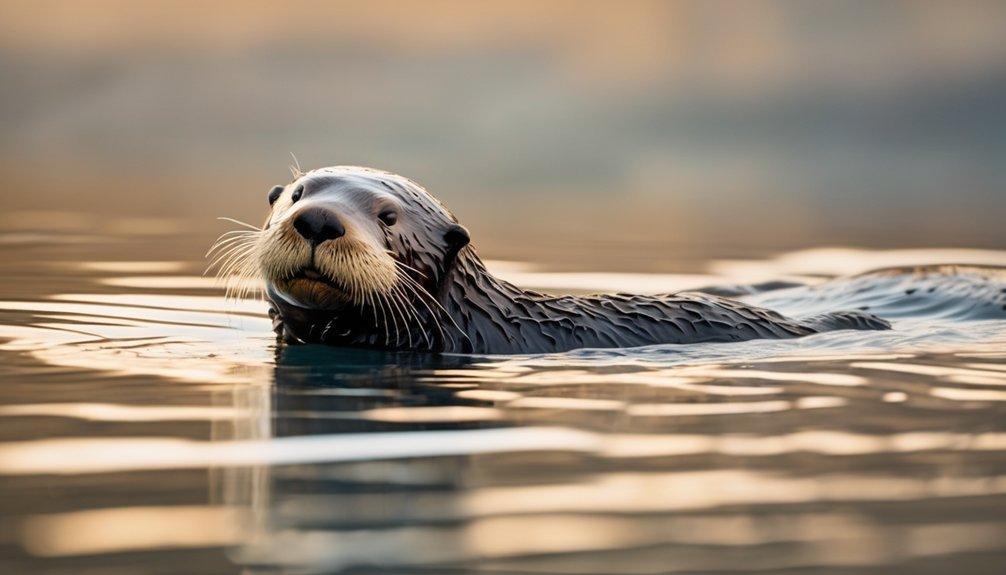
In marine environments, rest rarely means complete stillness, because water demands constant adjustment for buoyancy, breathing, and temperature. You can watch fish drift in sheltered crevices, then resume motion with minimal delay.

Some species lower activity without fully shutting down; their muscles stay ready, and their senses remain partly alert. In shark rest, many sharks keep swimming to force water across their gills, while others use currents or pumped ventilation to pause more deeply.
During octopus sleep, you may see skin color shift, arms relax, and neural activity quiet in brief cycles. These patterns show that marine rest is adaptive, not passive. You’re seeing a balance between energy conservation and survival in a medium that never stops pressing against the body.
Animals That Barely Seem to Sleep
Some animals seem to function with so little sleep that they almost blur the line between rest and wakefulness. If you watch bats, dolphins, or some migratory birds, you’ll notice brief, fragmented pauses rather than long, obvious sleep.
Their brains often keep part of the nervous system alert while the rest settles into low-activity states. You can see this in steady swimming, flying, or perching that continues through the night.
In many species, nocturnal activity replaces the long immobile rest you expect, and short sleep bouts fit neatly between movements. You may also observe heightened predator avoidance, with vigilance interrupting deeper sleep.
The result feels sparse and elusive, yet it’s still measurable. Even then, tiny rests can restore enough function for another active cycle, quietly and efficiently.
Why These Sleep Habits Evolved
These unusual sleep patterns likely evolved as practical tradeoffs shaped by ecology, predation, and energy demands.
When you watch a dolphin rest with one hemisphere, or a bird sleep on the wing, you see survival strategies tuned to immediate risks. Natural selection favors animals that can stay alert, feed longer, or avoid being caught while still repairing tissues and conserving energy.
In harsh habitats, fragmented sleep can bring evolutionary advantages by letting you exploit brief safe windows. You also notice that body size, diet, and social behavior steer these solutions, because each species balances recovery against danger differently.
Over time, these pressures don’t erase sleep; they reshape it into flexible, efficient patterns that fit the animal’s life.
Frequently Asked Questions
Which Animals Dream the Most?
You’ll likely see the most dreaming in mammals and birds, especially rats, cats, and humans, because their REM sleep is rich in dreaming patterns and suggests notable animal consciousness, though exact dream frequency’s hard to measure.
Do Any Animals Snore While Sleeping?
Yes—you can hear some animals snore like tiny thunder gods. You’ll find snoring species such as dogs, cats, and pigs producing sleep sounds when air vibrates through narrowed airways, especially during deep, relaxed sleep.
Can Pets Recognize When Humans Are Asleep?
Yes, many pets recognize when you’re asleep through pet awareness and your sleep behaviors. They’ll often watch, quiet down, or settle nearby, using subtle cues like breathing, stillness, and reduced interaction to infer your state.
How Does Sleep Affect Animal Memory?
Sleep strengthens animal memory by supporting memory consolidation. If you watch a rat after maze training, you’ll see better recall after rest; sleep deprivation disrupts that process, and you’ll notice poorer performance.
Which Animal Has the Longest Sleep Cycle?
The little brown bat likely has the longest sleep cycle. You’d notice its Sleep duration, Sleep patterns, Sleep stages, and Sleep cycles are tightly regulated, letting it rest nearly 20 hours daily.
Conclusion
You’ve seen how sleep can look almost alien across species. Dolphins rest with half their brains, birds can nap on the wing, and sloths hang upside down for hours. Even marine animals and the sleep-deprived few that barely rest follow strict biological rules. Nature’s solutions seem endlessly astonishing, yet each one is finely tuned to survival. In the end, you’re looking at evolution’s most remarkable balancing act.