
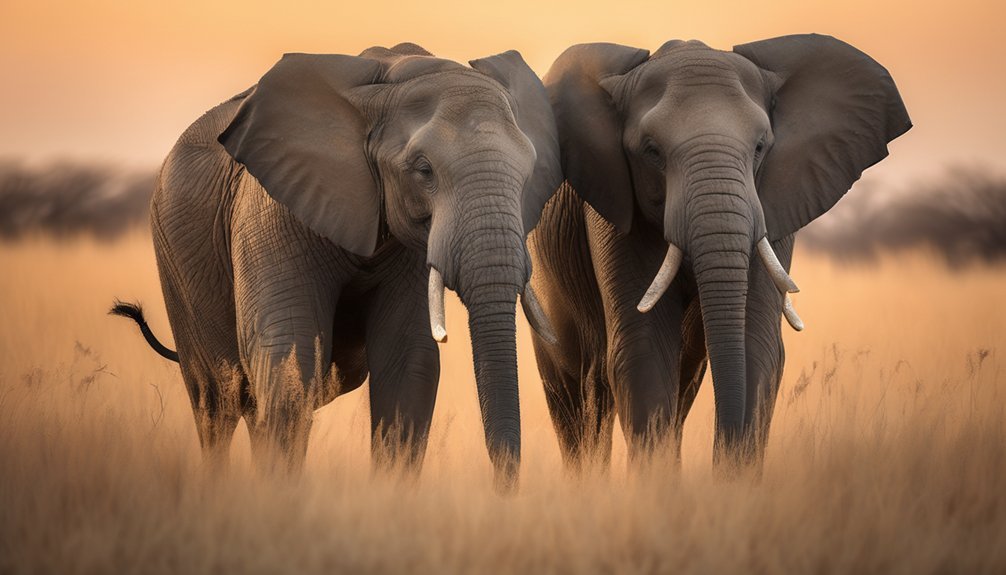
You might not realize that many animals rely more on silent signals than on vocal ones. You see birds, wolves, and insects use calls, postures, and chemical traces to share danger, claim space, and attract mates. You can also notice that these signals often work together, creating a detailed system of communication that shapes survival and social behavior in ways that aren’t always obvious.
Key Takeaways
- Animals communicate with sounds like calls, songs, and croaks to warn of danger, attract mates, and coordinate group behavior.
- They use body language, including posture, tail position, wing spread, and movement, to show intent and dominance.
- Scent marking leaves chemical signals that identify territory, reproductive status, and individual presence.
- Color signals and visual displays communicate identity, readiness to mate, and threats without direct contact.
- These signals help animals find food, avoid predators, reduce conflict, and strengthen social bonds.
What Is Animal Communication?
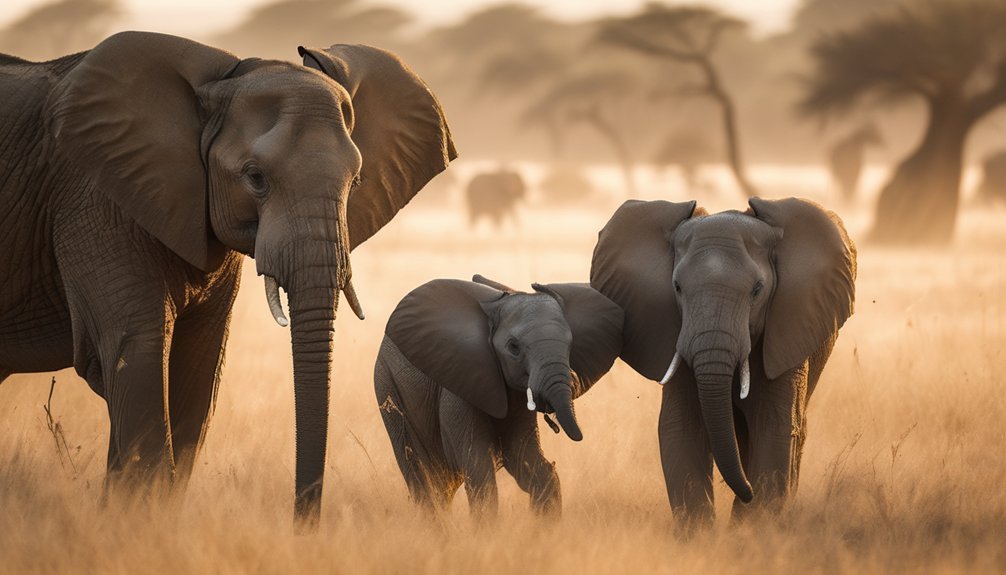
Animal communication is the transmission of information between animals through signals that another animal can detect and respond to. You can see it in posture, scent, touch, and movement, each carrying measurable meaning.
These signals help you understand how animals coordinate behavior, secure food, and avoid conflict. Some species use vocal mimicry to influence receivers, while others rely on visual or chemical cues.

In close groups, communication supports social bonding and emotional expression, allowing individuals to maintain relationships and signal stress or calm.
In crowded habitats, territorial signals warn rivals and reduce direct confrontation. You can view communication as an adaptive system that links senders and receivers, shaping survival, reproduction, and daily interaction with precision and economy.
Animal Communication Through Sounds and Calls
When sound travels farther or works faster than sight or scent, many species use calls to send information across distance, through darkness, or in dense habitats. You can hear this in birdsong, whale song, frog croaks, and insect pulses, each carrying species-specific meaning.
Animals shape pitch, rhythm, and volume to signal danger, attract mates, defend territory, or coordinate group activity. Sound variation lets you distinguish individuals, age, and emotional state with surprising precision. Some species even use vocal mimicry, copying sounds from other animals or the environment to improve survival or social success.
Because sound moves through air or water efficiently, calls can reach receivers quickly and reliably. You’re listening to a system built on timing, structure, and adaptation.
Animal Body Language and Movement Signals
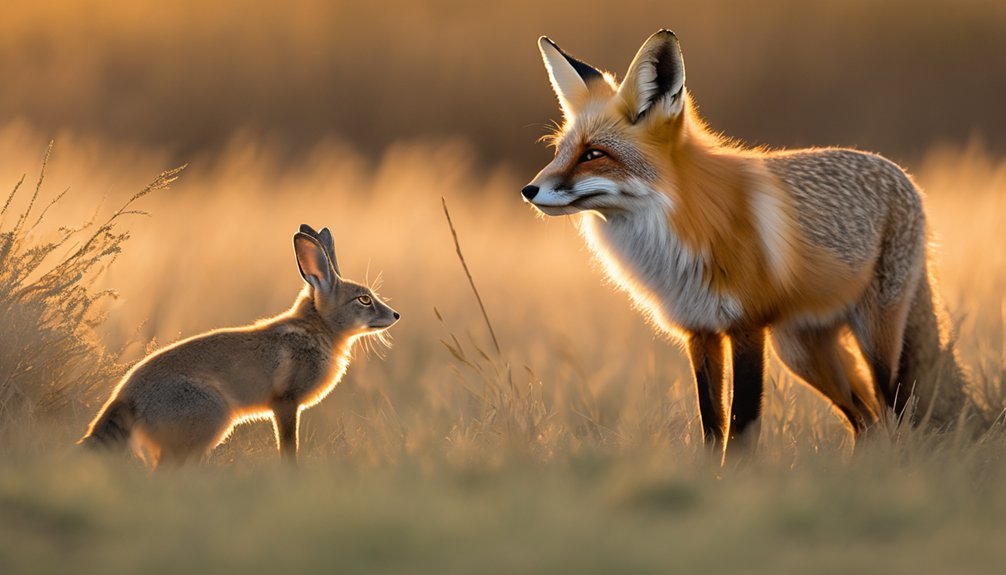
Not all communication depends on sound; many species also rely on posture, gesture, and movement to send immediate visual signals. You can read an animal’s intent by watching how it holds its body, shifts its weight, or freezes in place. An upright stance may signal alertness, while a lowered posture can indicate submission or caution.
Tail position, wing spread, and ear orientation often refine these messages. During grooming behavior, you may notice relaxed muscles and slow, repetitive motions that strengthen social bonds.
In territorial displays, animals often exaggerate size, step forward, or perform abrupt turns to warn rivals. These movements work quickly, letting you interpret changing social states without delay.
When you observe closely, body language becomes a precise, intimate window into animal life and conflict.
Animal Communication Through Scent and Color
While sound and movement can be immediate, scent and color often carry longer-lasting messages that shape animal behavior over time.

You can observe scent marking in many species, where chemical traces on surfaces identify territory, reproductive status, or individual presence. These cues linger after the animal leaves, creating a quiet information map.
Color signaling works differently: bright patches, patterns, or seasonal changes can convey readiness, dominance, or species identity at a glance.
- Scent can persist in air and on objects.
- Color signals often depend on light and distance.
- Both reduce direct contact between individuals.
- They’re common in mammals, birds, reptiles, and insects.
- You may notice both methods working together in one species.
How Animal Communication Helps Survival
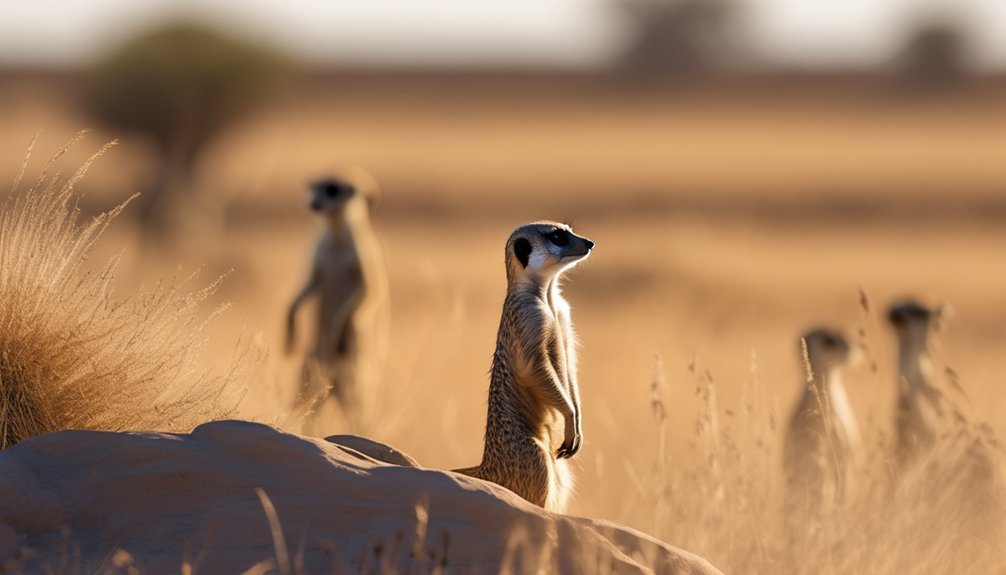
Animal communication helps survival by allowing individuals to find food, avoid predators, attract mates, defend territory, and coordinate group behavior.
You can see this in predator warning calls, where one signal changes the actions of many animals at once. In social groups, vocalizations, postures, and scents help you read social hierarchy and reduce conflict.
During mating rituals, clear displays let you assess fitness and select partners efficiently. Territory marking tells others where resources are held, which limits costly fights and preserves energy.
These signals work together to increase survival because they improve timing, accuracy, and cooperation. When you study animal communication, you see a system shaped by natural selection to support immediate needs and long-term reproductive success.
Frequently Asked Questions
How Do Animals Communicate During Migration?
You’d see animals communicate during migration through calls, scents, body movements, and synchronized flight. They follow migratory patterns and instinctual navigation, using environmental cues, social signals, and inherited timing to stay coordinated and oriented.
Can Animals Recognize Human Emotions?
Yes, you can observe some animals’ emotion recognition, like a medieval compass sensing your mood. Through human interaction, dogs and horses often detect facial cues, tone, and posture, though responses vary by species and experience.
Do Animals Use Tools to Send Messages?
Yes, you’ll see some animals use tools as signaling methods. Chimps drum, crows drop objects, and dolphins carry sponges. This tool usage can advertise strength, status, or location, shaping communication in specific species.
How Do Young Animals Learn Signals?
Young animals learn signals by observing adults and practicing vocal mimicry and body language; ironically, they often seem instinctive, yet you can see careful imitation shaping their communication through repeated feedback and social exposure.
Can Weather Affect Animal Communication?
Yes, weather affects animal communication. You’ll see weather patterns change sounds, scents, and movements, while environmental cues can alter timing and intensity. Animals often adjust signaling to improve transmission, detection, and response.
Conclusion
So, when you watch animals, you see that communication isn’t limited to words. You can hear calls, read postures, and notice scent or color signals that carry important information. These cues help you understand how animals warn of danger, attract mates, defend territory, and maintain social bonds. Isn’t it remarkable that survival can depend on such precise, nonverbal messages? By observing these signals, you gain a clearer view of how animals coordinate life in complex environments.