When you watch baby animals on camera, you notice how quickly their small movements draw your attention. Their oversized eyes, soft fur, and unsteady steps seem designed to trigger care and curiosity. You can see hesitation, trust, and instinct in the same frame, and that mix is hard to ignore. What makes one tiny face stay with you long after the image fades?
Key Takeaways
- Baby animals look cutest when close-up shots highlight oversized eyes, tiny faces, and soft features that signal vulnerability.
- Camera captures nuzzles, paw movements, and playful antics that make their trust and affection feel immediate.
- First wobbly steps create endearing moments by showing balance, coordination, and the shift from dependence to exploration.
- Wild baby animals are especially captivating when photos reveal natural instincts, alertness, and tender behavior in their habitats.
- The best images combine intimacy and precision, letting viewers witness delicate details without intruding on the moment.
Baby Animals With Instant Appeal
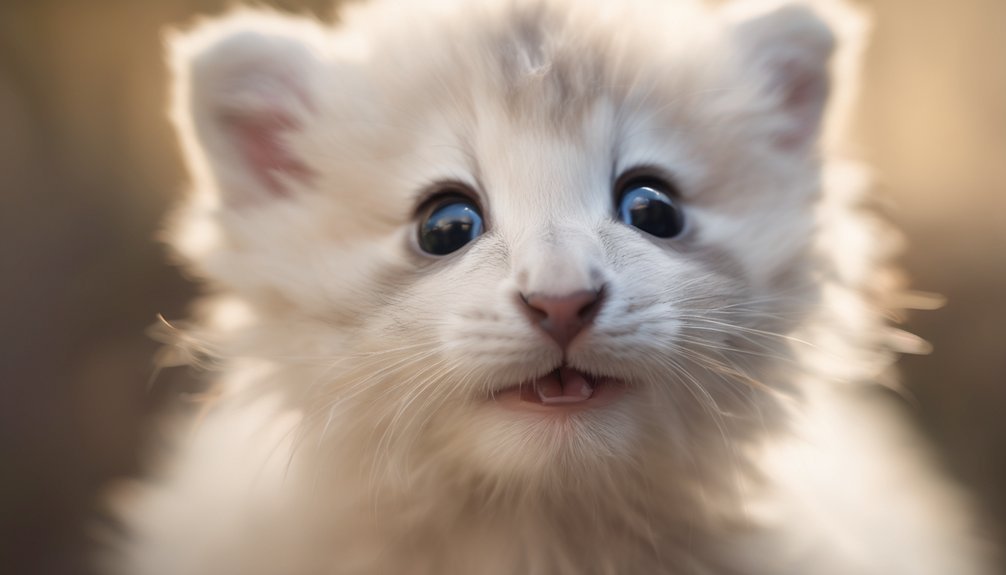
From the moment you see them, baby animals can trigger an immediate emotional response: large eyes, soft features, and unsteady movements often activate your instinct to protect and care for them.
You notice how their small bodies invite closeness, and your attention narrows to each delicate detail. These cuddly critters often use vulnerability as their first signal, while playful paws and tentative steps reinforce their appeal.
You may feel calmer, warmer, and more attentive in their presence, because your brain reads their youth as a cue for nurturing. That reaction isn’t sentimental excess; it’s a predictable blend of biology and affection.

When you meet baby animals up close, their instant appeal feels intimate, direct, and disarmingly sincere, drawing you toward gentle care.
Cutest Baby Animals on Camera
When a camera captures baby animals, their appeal often becomes more specific and measurable: you can see the exact tilt of a head, the blink rate, the reach of a tiny paw, and the brief pause before a cautious step.
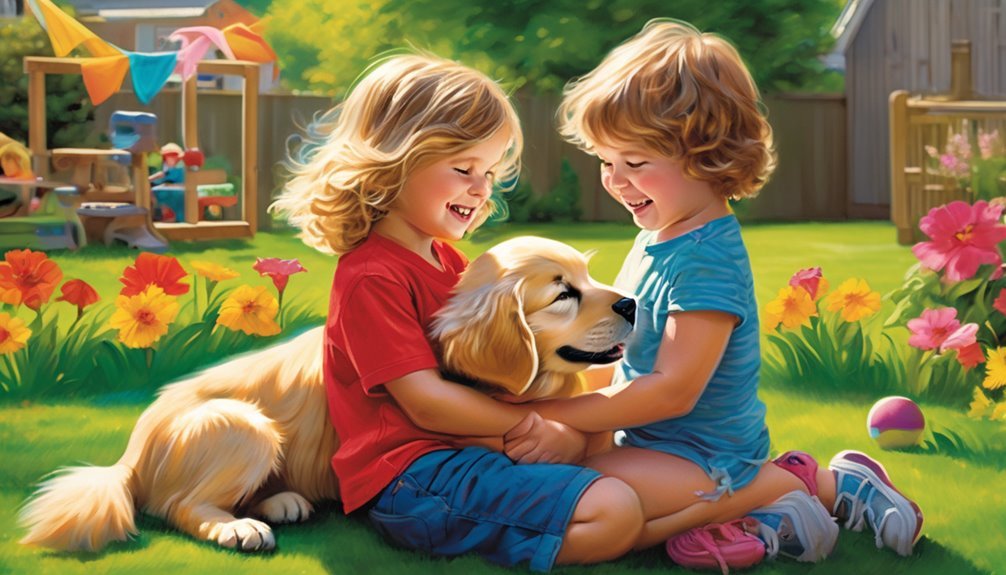
You notice how baby animal interactions soften tension, because each nuzzle, sniff, and close contact signals trust. On screen, playful baby antics feel immediate rather than abstract: a wobbly pounce, a sudden roll, a curious stare.
You can study how their ears, whiskers, and eyes respond to sound and movement, and that detail makes the scene feel intimate. The lens doesn’t exaggerate; it records tenderness with precision, letting you witness vulnerability, comfort, and delight in real time, almost as if you’re there.
Baby Animals Taking First Steps
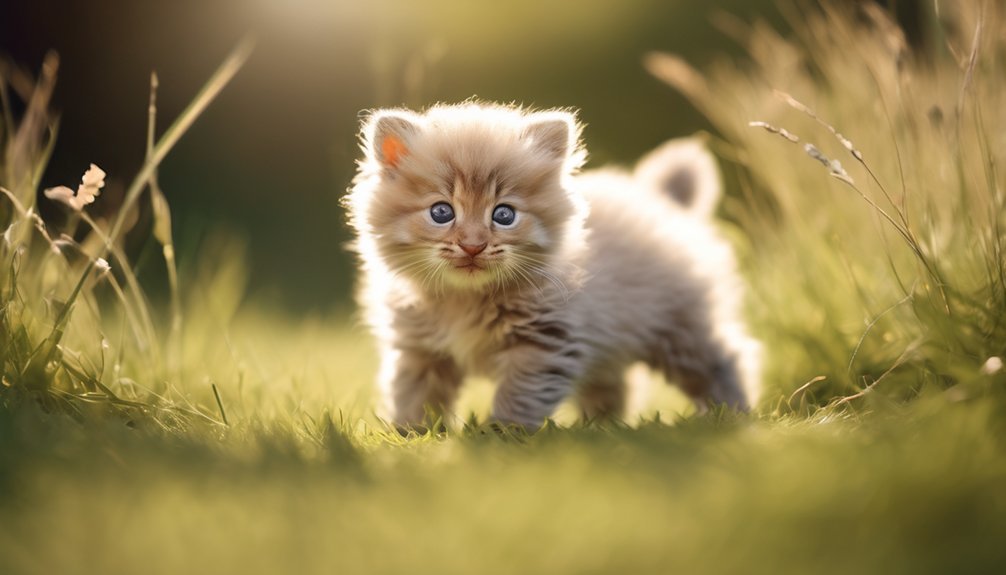
Those same close-up observations become even more revealing as baby animals attempt their first steps. You watch muscles coordinate, joints steady, and balance falter, then recover. Each movement is tentative, but it shows effort, learning, and trust in the ground beneath them.
Their adorable wobbles can look comic, yet they’re signs of healthy development and growing confidence. When you see a cub, lamb, or foal pause, shift weight, and try again, you’re witnessing adaptation in real time.
The pace is slow, the posture imperfect, and the result deeply endearing. These first steps matter because they mark the shift from dependence to motion, from rest to exploration. You feel the intimacy of that moment, almost as if you’re guiding them forward.
Tiny Faces, Big Eyes
Tiny faces and oversized eyes create a strong visual cue for youth, and you notice how each feature seems built to draw attention and care.
When you look closely, the proportions feel deliberate: a small muzzle, a soft brow, and eyes that seem too large for the head. That design can trigger your instinct to protect, because it signals dependence and vulnerability.
You may also see tiny paws and oversized ears, which sharpen the contrast and make the face read as especially young. The result isn’t merely cute; it’s biologically persuasive.
Your attention lingers, your pulse softens, and the animal seems to ask for gentle contact without words. In that brief exchange, you recognize intimacy as a response, not a fantasy.
The Fluffiest Baby Animals on Camera
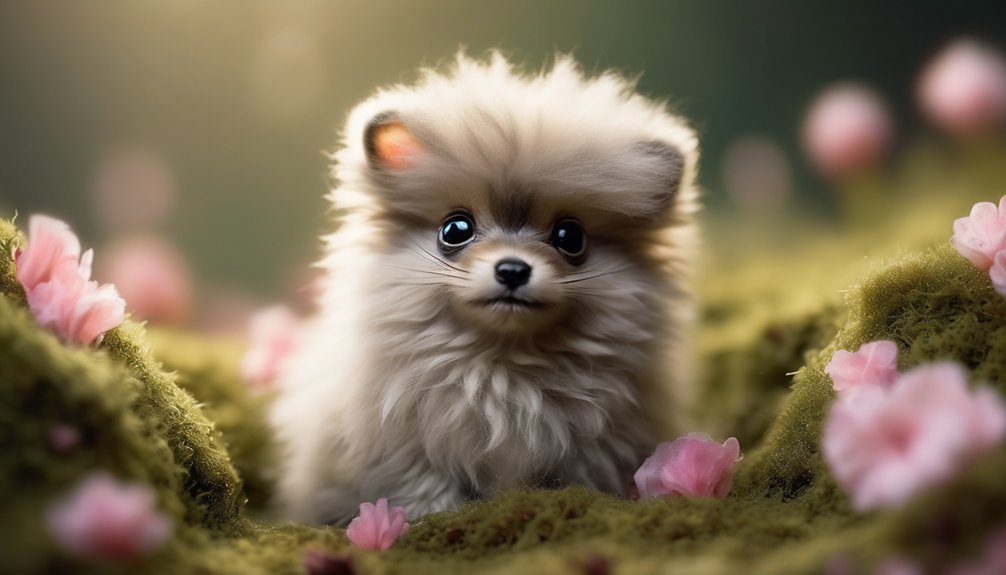
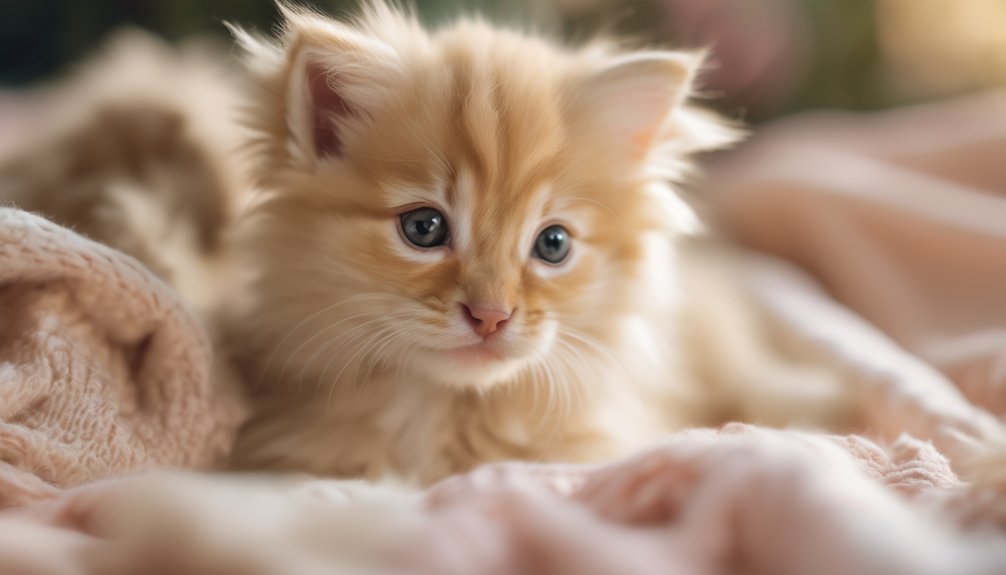
On camera, the fluffiest baby animals often appear even softer than they’re in person, because light, motion, and close framing amplify every downy contour. You notice how each tuft lifts around the face, limbs, and ears, creating a tactile impression that invites careful attention.

In baby animal photography, this effect depends on clean focus, gentle contrast, and patient timing, so you can register fluffy cuteness without distraction. When a kitten, lamb, or chick turns toward the lens, you feel the plush texture almost physically, as if the image offers warmth through sight alone.
The result is intimate but measured: a precise study of softness, where vulnerability and comfort meet in a single, convincing frame.
Magical Wild Baby Animal Moments
Wild baby animals seem especially magical when they appear in their natural habitats, where instinct and vulnerability meet in a single fleeting moment. You watch a fox kit pause in dew-wet grass, then dart after its littermate with precise, playful antics.
In wildlife photography, those brief movements matter: they reveal balance, alertness, and trust in a landscape that doesn’t wait. You can feel the tension in a calf’s first steps, or the steady focus of a chick following its parent through reeds. Each image gives you intimate access without intrusion.
The best frames don’t stage wonder; they document it. When you look closely, you’re seeing survival expressed softly, with grace, timing, and a kind of tenderness that feels almost private.
Why Baby Animals Look So Adorable
Baby animals trigger a strong caregiving response because their features match patterns your brain reads as vulnerable: large eyes, round faces, soft bodies, and uncoordinated movement.
You feel drawn in because these cues activate human responses shaped by evolutionary advantages, encouraging protection, attention, and gentle contact. Their proportions resemble infant traits, so your mind interprets them as safe to nurture.
You may notice that tiny paws, wobbling steps, and curious expressions intensify this effect, making closeness feel immediate and personal. Your body can even soften in response, lowering tension and increasing warmth.
That tenderness isn’t sentimental excess; it’s a precise biological signal. When you see a baby animal, you’re observing a design that invites care, strengthens bonding, and helps survival through connection.
Frequently Asked Questions
Which Baby Animal Is the Hardest to Photograph Safely?
Newborn lions are often the hardest to photograph safely because you’ll face safety precautions and equipment challenges near protective adults. You’ll need distance, telephoto lenses, and calm, respectful positioning to avoid stressing the cubs.
What Camera Settings Work Best for Baby Animal Photos?
You’ll get the best baby animal photos with fast shutter, wide aperture, and auto ISO. Best lenses include 50mm or 85mm. Use soft Lighting techniques, continuous Focus settings, and simple Composition tips for intimacy.
How Do Photographers Avoid Stressing Wild Baby Animals?
You avoid stressing wild baby animals by keeping distance, moving slowly, and reading baby animal behavior. Ethical photography means you respect photographer responsibilities, minimize disturbance, and support wildlife conservation while capturing intimate, compassionate images.
Which Baby Animals Change Appearance the Fastest?
Chicks and tadpoles change appearance fastest. If you’ve watched a duckling grow into a juvenile in days, you’ve seen baby animal transformations driven by rapid growth; you’ll notice feathers, limbs, and proportions shifting quickly.
Are There Legal Permits Needed to Photograph Wild Baby Animals?
Yes, you may need permits for wildlife photography, and you should check local laws, ethical considerations, habitat protection, animal behavior, seasonal migration, and conservation efforts before you photograph wild baby animals to avoid penalties.
Conclusion
As you look back on these baby animals, you can almost feel their small paws, soft fur, and bright eyes drawing you in. Their unsteady steps, round faces, and quiet curiosity stir a gentle protective response in you. You see vulnerability and wonder at once, and that mix lingers. In each brief moment on camera, they remind you how tenderness can shape your attention and soften your heart.