
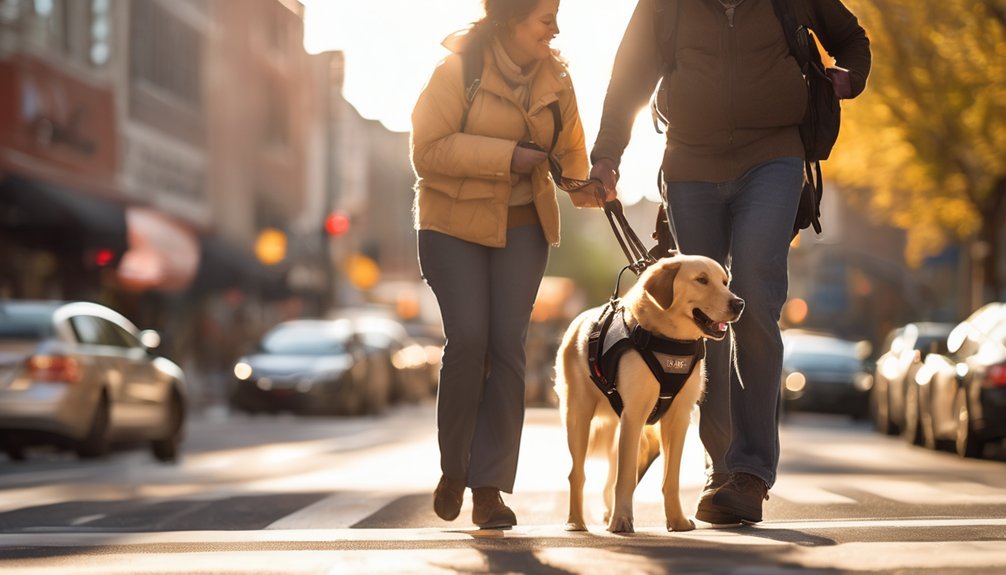
If you live with a disability or a medical condition, a service dog can change how you move through each day. You may find it easier to stay independent, manage tasks, and feel more secure in public. These dogs can help with mobility, alert you to health issues, and steady your nerves when life feels heavy. But what actually makes that support possible?
Key Takeaways
- Service dogs help with daily tasks like opening doors, fetching items, and navigating crowds, making routines easier and less stressful.
- They increase independence by supporting outings, social interactions, and everyday activities with less fear.
- They assist with mobility and balance, helping handlers move safely and reducing fall risks.
- Service dogs provide medical alerts that warn handlers of health changes early enough for quick response.
- They offer steady emotional support that eases anxiety, PTSD triggers, and loneliness throughout the day.
What Service Dogs Do Every Day
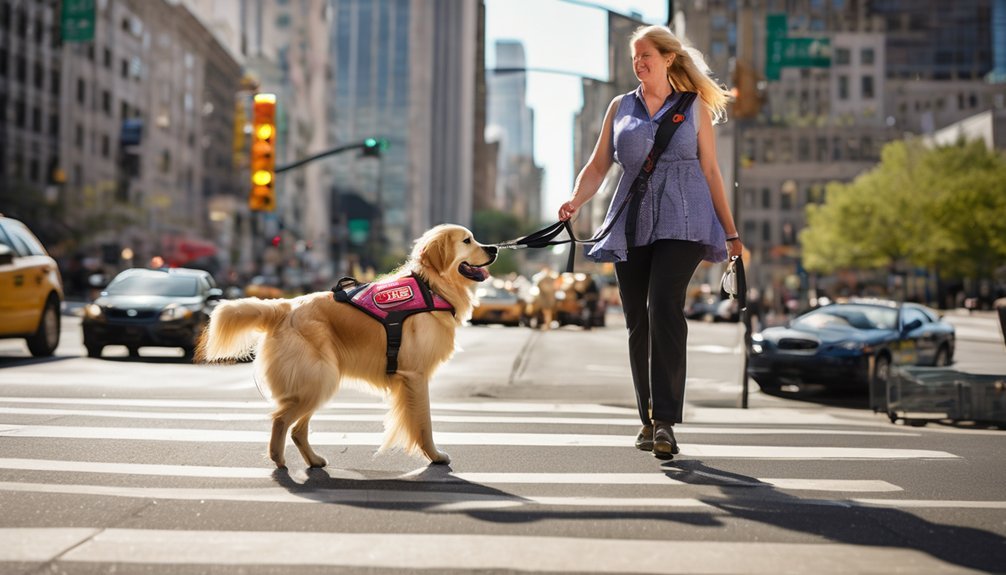
Service dogs work beside their handlers every day to make ordinary tasks safer and easier. You might see them open doors, fetch dropped items, steady your balance, or alert you to sounds, smells, or changes in your body.
They learn routines that match your daily tasks, so you can move through your day with more calm and confidence. They also stay focused in busy places, helping you navigate crowds, appointments, and home life without extra stress.
This partnership depends on trust and an emotional bond that grows through constant training and care. When your dog responds quickly and gently, you feel supported, understood, and never alone.

Each small action adds up, making everyday living feel more manageable and less overwhelming.
How Service Dogs Support Independence
When your service dog is trained to assist with your specific needs, you can do more on your own with less fear and hesitation. That task assistance helps you manage daily routines, from opening doors to carrying items, so you can focus on what matters.
As you practice together, you build independence skills that support increased confidence in home life and beyond. Your dog also offers steady emotional connection, which can make stressful moments feel easier to handle.
Over time, you may notice healthier social interactions, since you’re freer to leave the house and join others. These lifestyle changes can create real personal growth, because each small success reinforces your ability to make choices, solve problems, and live with more freedom and calm.
Service Dogs for Mobility and Balance
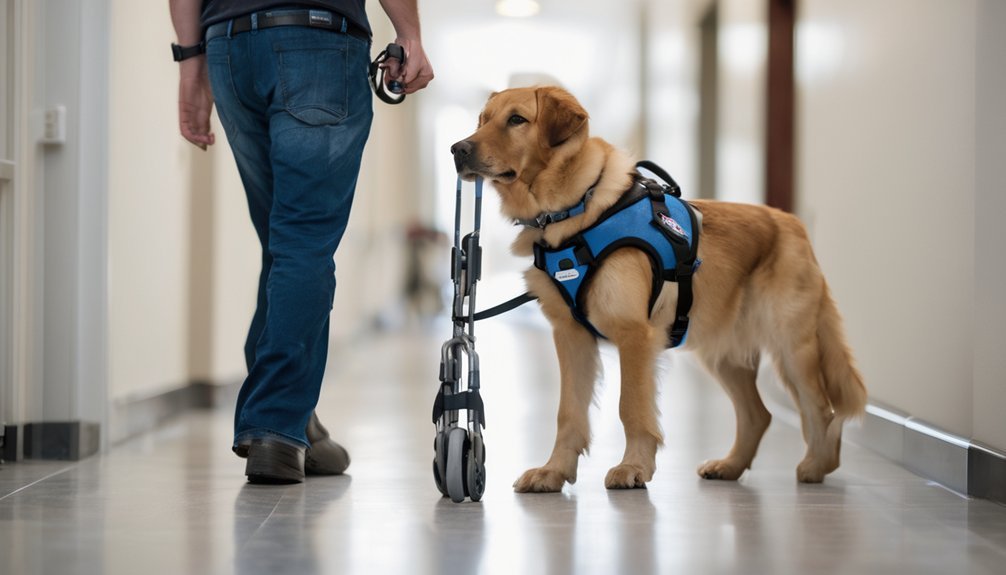
If you have trouble standing, walking, or keeping your balance, a service dog can help you move with more safety and confidence.
With steady guidance, your partner can provide mobility assistance in everyday moments, like getting from room to room or navigating uneven ground. They can also give balance support when you need to rise, turn, or pause.
- Brace you gently during steps
- Help steady you during transfers
- Create safer movement in crowded spaces
You’ll often feel more secure knowing your dog watches your pace and responds to your needs.
This support can ease strain, reduce falls, and give you greater freedom.
With training and trust, your service dog becomes a calm, caring extension of your body.
Service Dogs for Medical Alerts
Beyond helping you move more safely, a service dog can also notice changes in your body and alert you before a medical issue becomes serious. You learn to trust its alert signals, whether it nudges, paws, or stays close. That early warning can help you respond to many health conditions sooner.
| Alert signal | What it may mean | Your next step |
|---|---|---|
| Pawing | Drop or rise in body clues | Check and follow your plan |
| Nosing | Something feels off | Sit down and assess |
| Barking | Urgent change | Get help fast |
| Staring | Needs your attention | Monitor symptoms |
| Lying nearby | Stay still now | Rest and call support |
With practice, you and your dog build a quiet, caring partnership that can protect your day.
Service Dogs and Mental Health Support

A service dog can also support your mental health by helping you feel safer, calmer, and more grounded in stressful moments.
You may notice emotional support through steady contact, alert presence, and quiet companionship benefits that remind you you’re not alone. They can offer anxiety relief when your thoughts race, and they often help with PTSD assistance by giving you a focus point during triggers.
They also encourage social interaction, since people may approach you more kindly and respectfully when they see your dog.

- You can breathe more easily.
- You can manage stress reduction with a calm routine.
- You can feel supported in daily life.
With a service dog beside you, you don’t have to face hard moments by yourself.
How Service Dogs Are Trained
Training a service dog takes patience, consistency, and a clear purpose, because every skill must help the dog support your daily needs safely.
You start with obedience training, teaching sit, stay, come, and calm walking so your dog can focus on you in real situations.
Then you build task specific skills tied to your disability, such as retrieving items, alerting to sounds, or interrupting harmful behaviors.
You reward progress often, keep sessions short, and repeat lessons until the response feels natural.
A skilled trainer can guide you, but your steady reinforcement matters most.
Your dog learns best when you stay calm, clear, and kind.
Over time, trust grows, and that trust turns training into dependable support for your everyday life.
Service Dog Rights and Public Access
Once your service dog knows the job, you also need to understand where that partner can go with you and what others can legally ask. Under service dog laws, you usually have public access rights in stores, restaurants, hotels, and many other places.
You can protect your space by staying calm and confident. If someone questions you, they may only ask two things: whether your dog is required because of a disability, and what work your dog does. They can’t demand medical proof or make you disclose private details.
- Keep your dog leashed or harnessed when possible.
- Expect access in most public settings.
- Speak up politely if access is denied.
Knowing the rules helps you move through the world with your dog feeling safer, seen, and supported.
Frequently Asked Questions
How Much Does a Service Dog Typically Cost?
A service dog typically costs $15,000 to $50,000, depending on training and needs. You can explore service dog financing and funding options through nonprofits, grants, and fundraising to make it more affordable.
What Breeds Make the Best Service Dogs?
Golden retrievers and Labrador retrievers often make the best service dogs because their golden retrievers advantages include calmness, while labrador retrievers traits include eagerness to please. You’ll also find poodles, collies, and mixed breeds can excel.
How Long Does Service Dog Training Usually Take?
Usually, you’re looking at 1-2 years; there’s no shortcuts. Your dog’s training methods and certification process shape the timeline, and patience pays off. You’ll build trust, skills, and a bond that truly matters.
Can Family Members Help Care for a Service Dog?
Yes, your family members can help care for a service dog if you keep family involvement aligned with training responsibilities. You’ll want to follow the handler’s plan, reinforce routines, and respect the dog’s working role.
What Happens When a Service Dog Retires?
When a service dog retires, you’ll guide a gentle sunset into a quieter chapter. The retirement process usually means rehoming or staying with you, and you’ll navigate the emotional transition with support and love.
Conclusion
You see how service dogs change your daily life by giving you support, safety, and confidence. They help you move more steadily, alert you to medical concerns, and calm your mind when stress rises. With training and trust, they become partners who work beside you like a steady hand guiding you forward. As you learn their value, you can better appreciate the freedom, independence, and connection they bring to every day.