Regular veterinary checkups are essential for your pet’s overall health and longevity. Just like us, pets need routine care to catch potential issues early. The frequency of these visits varies by age, species, and health status. Understanding these guidelines can help you ensure your furry friends receive the best possible care. But what specific schedule should you follow for different types of pets? Let’s explore the recommendations that best fit your companion’s needs.
Key Takeaways
- Puppies and kittens require checkups every 3-4 weeks until about 16 weeks old for vaccinations and growth monitoring.
- Adult dogs and cats should have annual checkups to ensure ongoing health and preventive care.
- Senior pets, including dogs and cats over 7 years, need biannual visits to monitor for chronic conditions.
- Small pets like birds and rabbits benefit from annual checkups, with older rabbits recommended for biannual visits.
- Watch for signs like behavior changes or appetite loss to determine if earlier vet visits are necessary.
Why Regular Checkups Matter for Your Pet
When you prioritize regular checkups for your pet, you’re not just keeping up with routine care; you’re actively safeguarding their health and well-being.
These visits play a crucial role in preventive care, allowing your veterinarian to identify potential health issues before they escalate. Early detection of chronic conditions, such as diabetes or kidney disease, can significantly enhance your pet’s quality of life.

Moreover, your vet can provide insights tailored to your pet’s age and lifestyle factors, ensuring you’re making informed decisions about their wellness.
By staying proactive, you’re not only addressing immediate needs but also paving the way for a healthier, happier future for your beloved companion.
Regular checkups truly are essential for optimal pet wellness.
Recommended Checkup Frequency for Dogs
Dogs should ideally have checkups at least once a year, though certain factors can influence this frequency. Puppies often require more frequent visits for vaccinations, while senior dogs may need additional assessments to monitor their health.
| Age Group | Recommended Checkup Frequency | Key Focus Areas |
|---|---|---|
| Puppies | Every 3-4 weeks until 16 weeks | Puppy vaccinations, growth |
| Young Adults | Once a year | Preventive care |
| Adults | Once a year | General health, dental |
| Seniors | Every 6 months | Senior wellness, chronic issues |
Regular checkups help you catch potential health issues early, ensuring your dog lives a long, healthy life. Stay proactive about their care!
Recommended Checkup Frequency for Cats
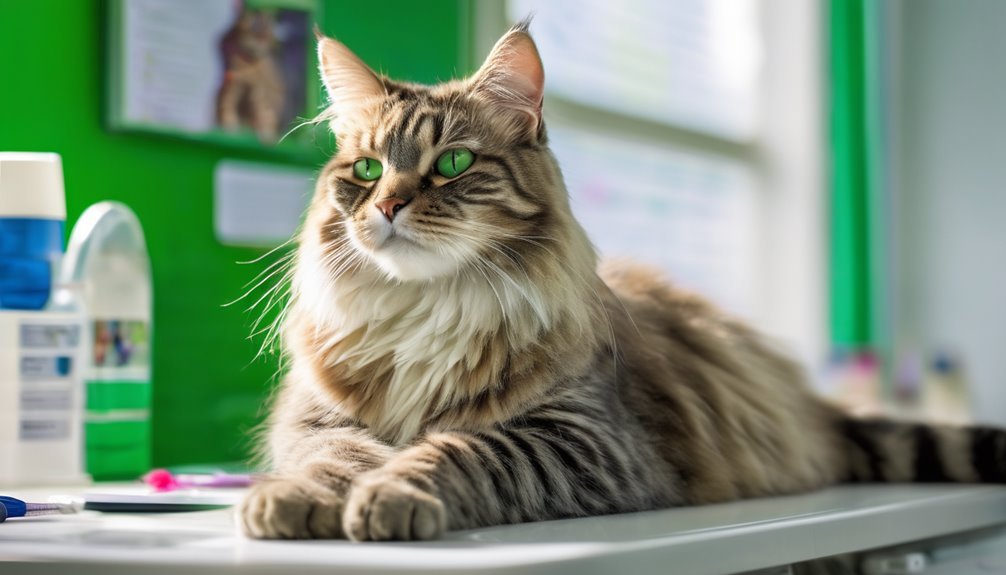
While many pet owners may underestimate the importance of regular veterinary visits for cats, these checkups are crucial for maintaining their overall health.
For kittens, scheduling visits every three to four weeks until they’re about four months old is essential. Once your cat reaches adulthood, a yearly checkup is recommended to monitor their feline health closely.

As your cat ages—especially after seven years—consider biannual visits, as older cats are more prone to health issues. Regular checkups help catch potential problems early, ensuring your cat lives a longer, healthier life.
Staying proactive about your cat’s health not only strengthens your bond but also provides peace of mind for both you and your furry friend.
Checkup Frequency for Birds, Rabbits, and Other Small Pets
Regular checkups aren’t just important for cats; they’re vital for birds, rabbits, and other small pets, too. For birds, aim for annual vet visits to monitor their overall bird health and catch any potential issues early.
Rabbits, on the other hand, should see a vet at least once a year, but biannual visits are recommended for optimal rabbit wellness, especially as they age or if they exhibit any health concerns.
Other small pets, like guinea pigs and hamsters, also benefit from annual checkups. By keeping up with these appointments, you ensure your pets receive preventive care and stay healthy.
What to Expect During Your Pet’s Checkup
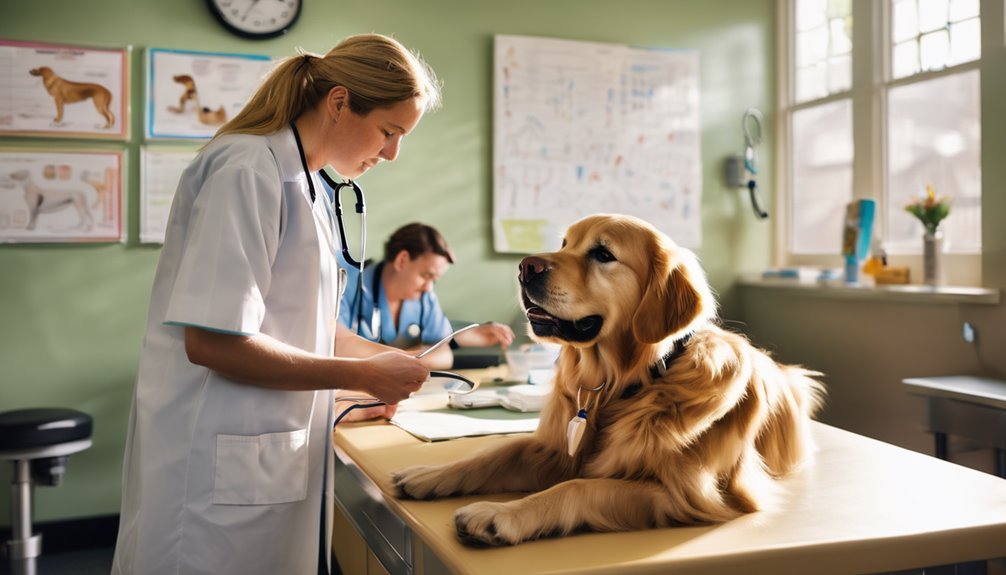
When you bring your pet in for a checkup, expect a thorough examination that focuses on their overall health and well-being. Your veterinarian will assess various aspects of your pet’s health, ensuring they receive the best preventative care possible.
Here’s what you can expect during the visit:
- Physical Examination: Your vet will check your pet’s weight, coat, eyes, ears, and heart rate.
- Vaccination Updates: They’ll review your pet’s vaccination history and recommend any necessary updates.
- Discussion of Health Concerns: You’ll have the opportunity to discuss any behavioral or dietary concerns, ensuring a holistic approach to your pet’s care.
This checkup is vital for catching potential issues early and keeping your furry friend happy and healthy.
Signs Your Pet May Need an Earlier Visit
Recognizing the signs that your pet may need an earlier visit to the vet can be crucial for their health. Pay attention to any behavior changes or unusual symptoms. If your pet suddenly becomes lethargic, loses appetite, or shows signs of pain, it’s time to act. Additionally, if you notice vomiting, diarrhea, or excessive thirst, don’t wait for the next scheduled checkup. Early intervention can make a significant difference in treatment success.
| Sign | What to Watch For | Action to Take |
|---|---|---|
| Behavior Changes | Increased aggression or withdrawal | Schedule a vet visit ASAP |
| Unusual Symptoms | Vomiting or diarrhea | Monitor closely, consult vet |
| Lethargy | Lack of energy or playfulness | Book an appointment |
| Appetite Loss | Refusal to eat or drink | Contact your veterinarian |
Conclusion
Keeping up with your pet’s checkups is crucial for their health and happiness. Regular visits help catch potential issues before they become serious, ensuring your furry friend stays in tip-top shape. Remember, an ounce of prevention is worth a pound of cure. By staying proactive about their health, you not only protect their well-being but also strengthen the bond you share. So, don’t wait—schedule that next appointment and give your pet the care they deserve!