Did you know that nearly 30% of cats experience some form of digestive issue during their lives? These problems can lead to discomfort and affect your cat’s overall health. By understanding how to improve digestion, you can help your feline friend thrive. From diet choices to hydration, several factors play a crucial role. Let’s explore effective strategies to ensure your cat’s digestive health remains optimal.
Key Takeaways
- Provide a high-fiber, grain-free diet with quality protein sources to support digestion and nutrient absorption.
- Establish a consistent feeding schedule with smaller, more frequent meals to reduce digestive upset.
- Ensure access to fresh water at all times to promote hydration and aid digestion.
- Monitor litter box habits and any changes in appetite or weight for early detection of issues.
- Regular vet check-ups and stress management contribute to long-term digestive health.
Signs Your Cat May Have Digestive Issues
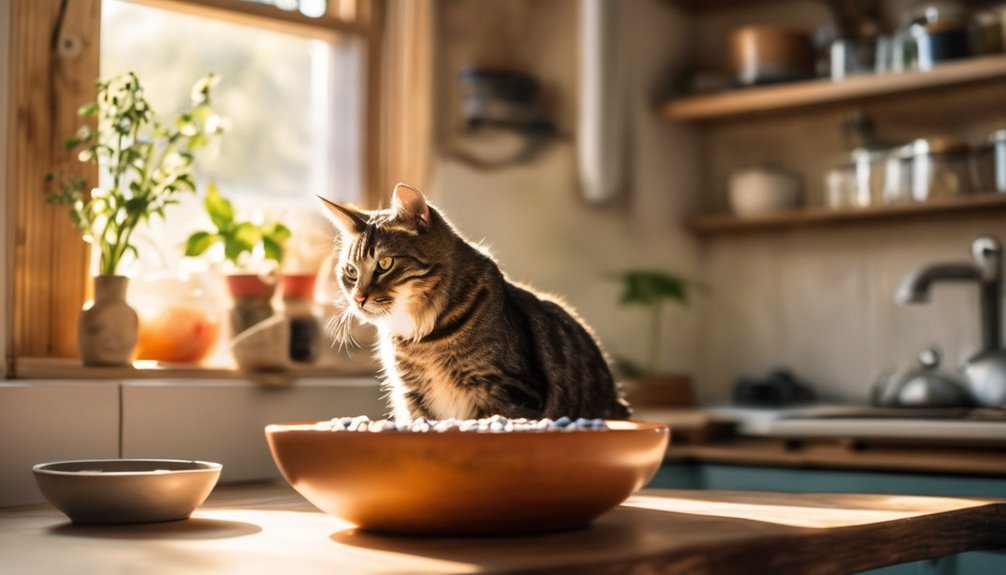
How can you tell if your cat’s digestion is off? Watch for bloating symptoms, which might signal discomfort.
If you notice changes in appetite, such as less interest in food or sudden overeating, that could indicate a food intolerance.
Weight loss is another red flag, especially if your cat’s energy levels drop.
Keep an eye on the litter box; diarrhea or constipation can point to digestive issues.

Increased vomiting frequency is concerning, too.
Additionally, a decline in fur condition, like excessive shedding or dullness, may suggest underlying health problems.
Immediate Steps to Improve Your Cat’s Digestion
If you’ve noticed signs that your cat’s digestion isn’t quite right, taking immediate action can help restore their comfort and health.
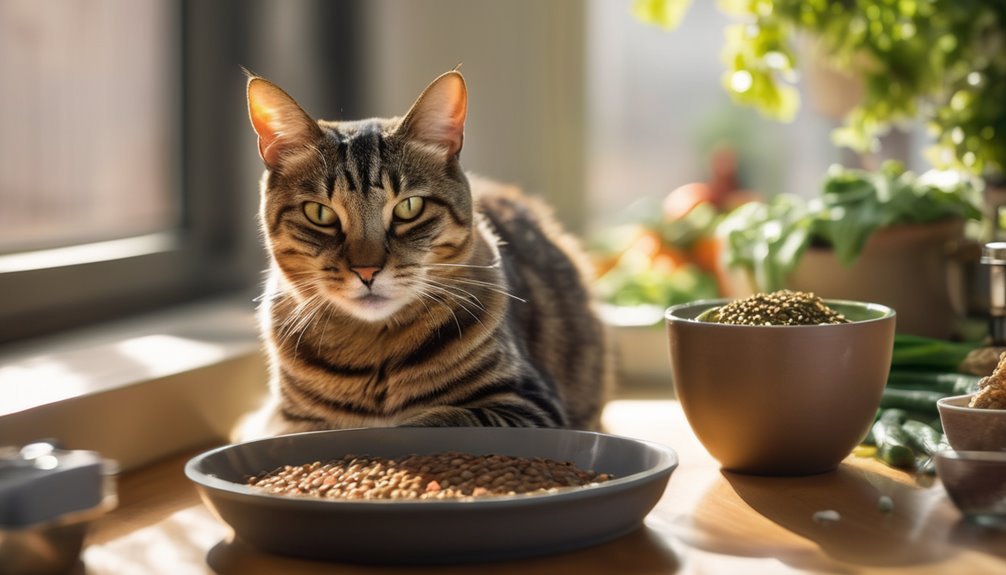
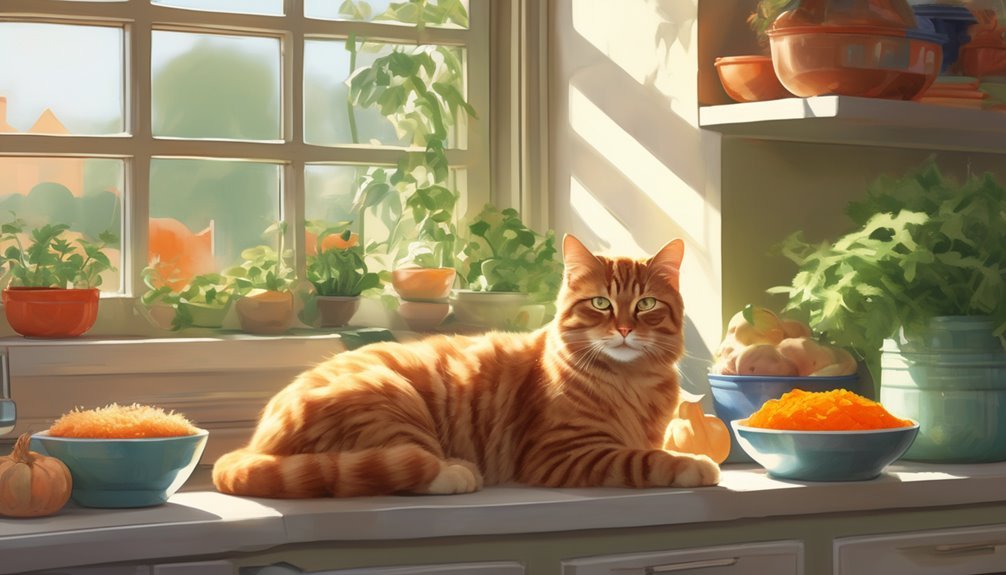
Start by adjusting their diet to include more dietary fiber, which aids in smoother digestion and can alleviate constipation. Look for high-quality cat food that lists fiber-rich ingredients, such as pumpkin or beet pulp.
Next, establish a consistent feeding schedule. Regular meal times can help your cat’s digestive system function more predictably.
Offer smaller, more frequent meals instead of one or two large portions, which can reduce the risk of digestive upset.
Lastly, ensure your cat has access to fresh water at all times, as hydration plays a crucial role in digestion.
Why Good Digestion Matters for Cats
Good digestion is vital for your cat’s overall health and well-being, as it directly impacts nutrient absorption and energy levels. When your cat’s gut health is optimal, it effectively utilizes the nutrients in their food, thanks in part to digestive enzymes. Poor digestion can lead to various health issues, including obesity, lethargy, and gastrointestinal disorders.
| Benefit of Good Digestion | Impact on Your Cat |
|---|---|
| Enhanced Nutrient Absorption | Improved energy levels and vitality |
| Balanced Gut Flora | Stronger immune system |
| Efficient Waste Elimination | Reduced digestive discomfort |
Diet Choices That Enhance Cat Digestion
A well-chosen diet plays a significant role in enhancing your cat’s digestion and overall health. To support this, consider incorporating high fiber diets that can help regulate your cat’s digestive system.
Fiber aids in moving food through the intestines, preventing constipation and promoting a healthy gut. Additionally, grain-free options can be beneficial, as many cats are sensitive to grains, which may lead to digestive upset.
Fiber helps move food through the intestines, preventing constipation and supporting a healthy gut, while grain-free options cater to sensitive stomachs.
These diets often contain higher protein and fewer carbohydrates, aligning better with your cat’s natural dietary needs. When selecting food, look for high-quality ingredients and consult your veterinarian to find the best options tailored to your cat’s unique requirements.
This way, you’ll support their digestive health effectively.
Ensure Your Cat Stays Hydrated for Better Digestion
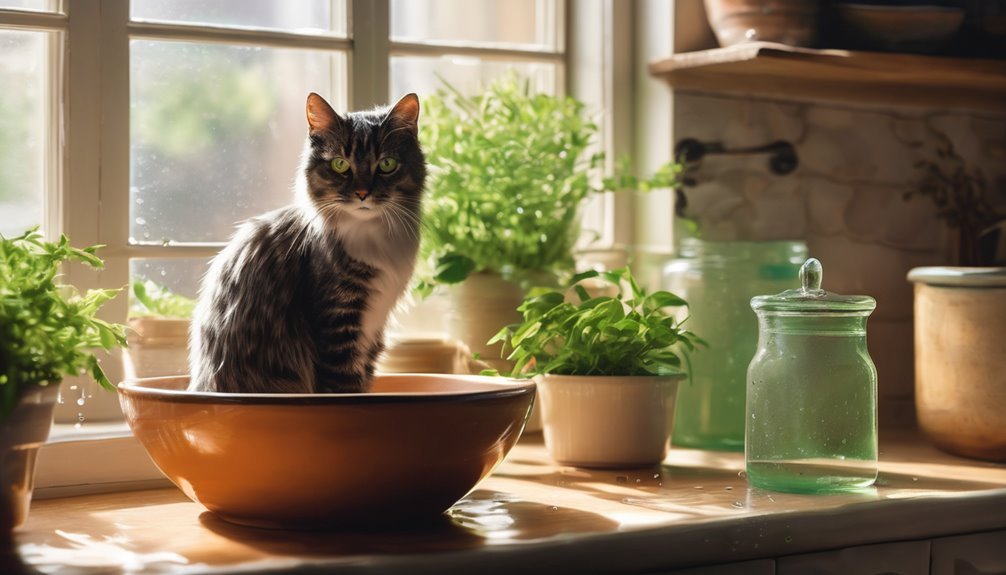
Maintaining proper hydration is crucial for your cat’s digestive health, as it helps dissolve nutrients and facilitate their absorption. Here are some effective hydration tips to keep your feline friend well-hydrated:
| Tip | Description |
|---|---|
| Fresh Water | Always provide clean, fresh water. |
| Water Alternatives | Consider wet food or broth as options. |
| Cat Water Fountain | Use a fountain to encourage drinking. |
Safe Methods for Gradually Introducing New Foods
Introducing new foods to your cat’s diet can significantly impact their digestive health, especially after ensuring they’re well-hydrated.

To achieve a successful food transition, start with a gradual introduction. Begin by mixing a small amount of the new food with their usual diet, using a ratio of about 25% new to 75% old food.
Over the next week, slowly increase the proportion of new food while decreasing the old. Monitor your cat for any signs of digestive upset, such as vomiting or diarrhea. If issues arise, slow down the transition.
Each cat is unique, and patience is key. This method not only helps their digestive system adjust but also fosters a positive eating experience.
Incorporating Probiotics and Prebiotics for Healthy Digestion
Incorporating probiotics and prebiotics into your cat’s diet can greatly enhance their digestive health, as these beneficial components work together to promote a balanced gut microbiome.
Probiotics are live microorganisms that can provide probiotic benefits, such as improving nutrient absorption and reducing gastrointestinal issues. You can find effective probiotic sources in specially formulated cat foods or supplements.
Prebiotics, on the other hand, are non-digestible fibers that serve as food for these good bacteria. Common prebiotic sources include chicory root and certain grains.
By adding these elements to your cat’s diet, you’re not just improving digestion; you’re also supporting their overall well-being and immune function.
Always consult your vet to ensure the right balance for your feline friend.
How Exercise Supports Your Cat’s Digestive Health?
Regular exercise can significantly enhance your cat’s digestive health. Engaging your feline friend in playful activities like outdoor exploration or routine exercise not only boosts their fitness but also aids digestion. Incorporate interactive toys and stimulation games into their daily routine to encourage active playtime. These engaging exercises stimulate gut motility, making digestion more efficient.
| Activity Type | Benefits |
|---|---|
| Playful Activities | Increases overall activity levels |
| Interactive Toys | Promotes mental stimulation |
| Outdoor Exploration | Exposes to new sights and scents |
| Routine Exercise | Establishes healthy habits |
When to Consult Your Veterinarian for Digestive Issues
How can you tell when it’s time to consult your veterinarian about your cat’s digestive issues? Symptom awareness is crucial for ensuring your cat’s well-being.
If you notice signs like persistent vomiting, diarrhea, or changes in appetite that last more than a day, it’s time to seek a vet consultation.
Additionally, if your cat appears lethargic, has abdominal pain, or shows signs of distress, don’t hesitate to reach out to your veterinarian.
Early intervention can prevent more serious conditions and improve your cat’s quality of life.
Long-Term Tips for Digestive Health
To ensure your cat maintains optimal digestive health over the long term, a balanced diet is essential. Incorporate fiber supplements to support gut health and consider meal frequency; feeding smaller, more frequent meals can aid digestion.
Pay attention to food texture; soft, moist foods may be easier for your cat to digest. Create a calm feeding environment to reduce stress, which can negatively impact digestion. Regular grooming habits help minimize hairballs and support digestive health as well.
Soft, moist foods and a calm feeding environment can significantly enhance your cat’s digestive health. Regular grooming also helps minimize hairballs.
Additionally, ensure your cat maintains a healthy weight, as obesity can lead to digestive issues. Finally, look for foods that contain digestive enzymes to enhance nutrient absorption and overall gut function.
These practices will foster long-lasting digestive wellness for your feline friend.
Conclusion
Just like a well-tuned engine needs the right fuel, your cat thrives on a balanced diet and proper care for optimal digestion. By nurturing their gut health, you’re not only enhancing their well-being but also strengthening the bond you share. Think of your cat’s digestive system as a delicate ecosystem, where each element plays a vital role. By following these practices, you’re ensuring your furry friend can flourish, embodying the vibrant spirit they bring to your life.