Socializing a rescue dog can feel like navigating a delicate dance. It’s not just about introducing them to new experiences; it’s about helping them find their footing in a world that may seem overwhelming. You’ll need to be patient and observant, ensuring their comfort every step of the way. Understanding their unique background is crucial, and knowing where to start can make all the difference in their journey to becoming a confident companion.
Key Takeaways
- Gradually introduce your dog to new people and environments, starting from a distance to minimize anxiety.
- Use positive reinforcement, rewarding calm behavior to build positive associations with social situations.
- Monitor your dog’s body language, adjusting interactions based on signs of stress or discomfort.
- Create safe spaces at home where your dog can retreat when feeling overwhelmed.
- Organize controlled playdates with calm dogs to encourage positive social interactions.
Understanding Your Rescue Dog’s Background
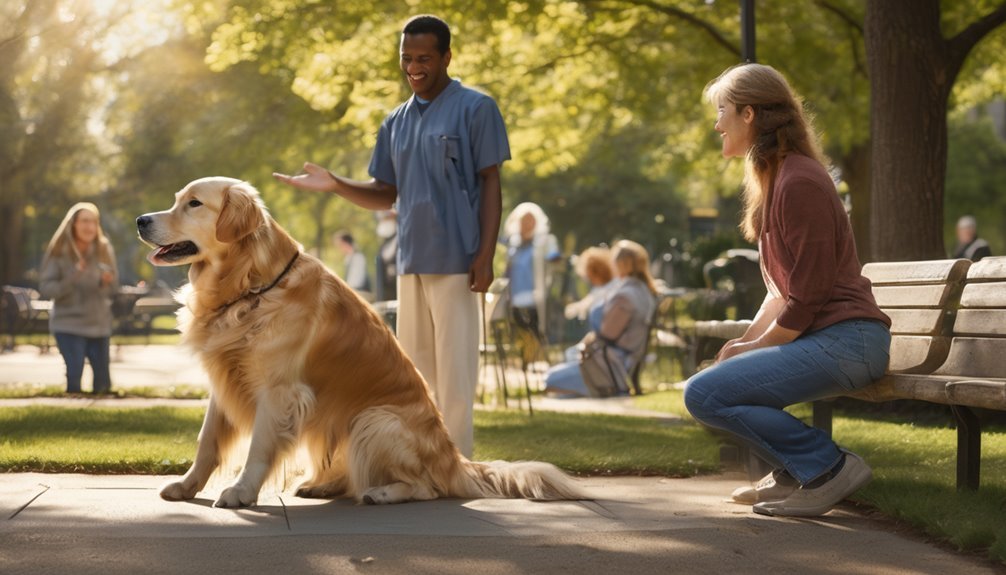
Understanding your rescue dog’s background is crucial for building a trusting relationship. Each dog’s previous owner experiences shape their behavior and reactions. If your dog faced neglect or abuse, they might be more anxious or fearful in new situations. Learning about these past experiences helps you empathize with their feelings and needs.
Additionally, knowing your dog’s breed behavior traits can guide your approach. Certain breeds have specific tendencies—like herding instincts or high energy levels—that influence how they interact with the world.
Recognizing Socialization Challenges in Rescue Dogs
While every rescue dog is unique, many face common socialization challenges that stem from their past experiences. You might notice fear responses, such as cowering, growling, or attempting to hide, especially in unfamiliar situations.

Pay close attention to your dog’s body language; a tucked tail or pinned ears can signal anxiety. Recognizing these signs is crucial for helping your dog feel secure.
If your pup reacts negatively to new people, sounds, or environments, take it slow. Gradually expose them to these triggers, offering plenty of praise and treats for calm behavior.
How to Create a Safe Home for Your Rescue Dog

Creating a safe home for your rescue dog is essential to help them feel secure and comfortable in their new environment. Start by designating safe spaces where they can retreat when feeling overwhelmed. This could be a cozy bed in a quiet corner or a crate with their favorite blanket.
Use calming techniques like soft music or pheromone diffusers to create a soothing atmosphere. Make sure to dog-proof your home by removing hazards and securing loose wires.
Establish a routine that includes regular feeding and walks, as predictability can ease anxiety. Finally, be patient and give your dog time to explore their new surroundings at their own pace.
With these steps, you’ll foster a sense of safety and stability for your rescue dog.
Gradual Introductions for Your Dog
Introducing your rescue dog to new people, pets, and environments can seem daunting, but taking it slow makes a world of difference.
Start with controlled environments, like your backyard or a quiet park, where distractions are minimal. Allow your dog to observe new people and pets from a distance, gradually decreasing that space as they become more comfortable.
Organize play dates with calm, friendly dogs who won’t overwhelm your pup. Keep these interactions short and positive to prevent anxiety.
Remember, it’s vital to watch your dog’s body language; if they seem stressed, take a step back.
Using Positive Reinforcement for Socialization

Harness the power of positive reinforcement to make socialization a rewarding experience for your rescue dog. Using reward systems, you can create positive experiences that boost your dog’s confidence and comfort in new situations.
Start by carrying treats or favorite toys during outings. When your dog encounters a new person or environment, reward them for calm behavior. This helps them associate social situations with something pleasant.
Be consistent; every small victory counts. If they seem nervous, don’t force interactions. Instead, create a safe distance and gradually decrease it as your dog becomes more comfortable.

Fun Activities to Boost Your Dog’s Confidence
Engaging in fun activities can significantly boost your rescue dog’s confidence and help them feel more at ease in different situations.
Plan playful outings to parks where your dog can interact with other pets. Incorporate interactive games like hide-and-seek or fetch to encourage engagement. Organize social playdates with friendly dogs to promote positive experiences.
Confidence building exercises, such as teaching new tricks, can also foster trust. Explore sensory exploration by letting your dog investigate different textures and scents outdoors.
Consider group training sessions to enhance social skills while learning. Finally, agility activities not only provide physical stimulation but also build confidence as your dog navigates new challenges.
These outdoor adventures will create a happier, more self-assured companion.
Why a Consistent Routine Matters for Your Dog
Establishing a consistent routine for your rescue dog can make a world of difference in their adjustment and overall well-being. Dogs thrive on daily structure, which helps reduce anxiety and builds trust.
When you create a predictable schedule for feeding, walks, and playtime, your dog knows what to expect, making them feel more secure in their new environment.
The routine benefits extend beyond just comfort; a structured day encourages positive behaviors and socialization opportunities. Regular interactions with you and exposure to different environments help your dog adapt more easily.
Tracking Progress and Adjusting Your Approach
As you work to socialize your rescue dog, tracking their progress is essential for understanding what strategies are effective and where adjustments might be needed.
Observing changes in behavior helps you fine-tune your approach and build your dog’s confidence.
Observing your dog’s behavioral changes is key to fine-tuning your approach and boosting their confidence.
Here are some tips for effective progress tracking and approach adjustment:
- Keep a Journal: Note your dog’s reactions to different stimuli, environments, and interactions.
- Set Clear Goals: Define specific, achievable milestones for your dog’s socialization journey.
- Evaluate Regularly: Review your notes weekly to identify patterns and areas needing more focus.
- Be Flexible: If a strategy isn’t working, don’t hesitate to adjust your approach based on your dog’s needs.
This ongoing process will help ensure your rescue dog feels safe and secure in social settings.
When to Seek Professional Help for Socialization Issues
Tracking your dog’s progress can reveal when it’s time to seek professional help for socialization issues. Pay attention to specific behavioral indicators that may signal deeper problems. If your dog consistently exhibits fear responses to common social triggers or struggles with environmental factors, it’s wise to consult an expert.
Here’s a quick guide to help you identify when to seek help:
| Signs to Seek Help | Possible Solutions |
|---|---|
| Persistent fear responses | Professional training techniques |
| Inability to interact with other dogs | Customized handling techniques |
| Aggression towards people/animals | Behavioral modification strategies |
| Severe anxiety in new environments | Desensitization approaches |
| Lack of progress with training | Expert-led socialization sessions |
Don’t hesitate to reach out for guidance; your dog’s well-being is worth it!
Conclusion
Socializing a rescue dog can be a rewarding journey, but it requires patience and understanding. The theory that every dog can adjust to new experiences holds true; with your support, your dog can thrive in different environments. By taking gradual steps and using positive reinforcement, you’re not just helping your dog socialize—you’re building a trusting bond. Remember, each small victory counts, and with consistent effort, you’ll witness your furry friend blossom into a confident companion.