Choosing the right dog food for your dog’s age and size is crucial for their health and well-being. Each life stage demands specific nutrients to support growth, energy, and digestion. For instance, puppies need more calories, while seniors often require lower-calorie options. Understanding these differences can help you make informed decisions. But how do you navigate the complexities of dog food labels and ingredient lists? Let’s explore the key factors to consider.
Key Takeaways
- Select puppy food rich in calories and nutrients for growth, focusing on high-quality proteins and fats.
- Choose adult dog food with balanced protein, fiber, and healthy fats to maintain optimal weight and energy.
- For senior dogs, opt for lower-calorie, high-fiber diets that support digestive health and joint function.
- Consider your dog’s size; small breeds need higher calorie density and smaller kibble, while large breeds require controlled calories and joint support.
- Always check labels for quality ingredients and essential nutrients, avoiding vague terms like “meat by-products.”
Nutritional Needs by Age
When you consider your dog’s nutritional needs, it’s crucial to recognize that these requirements vary significantly by age.
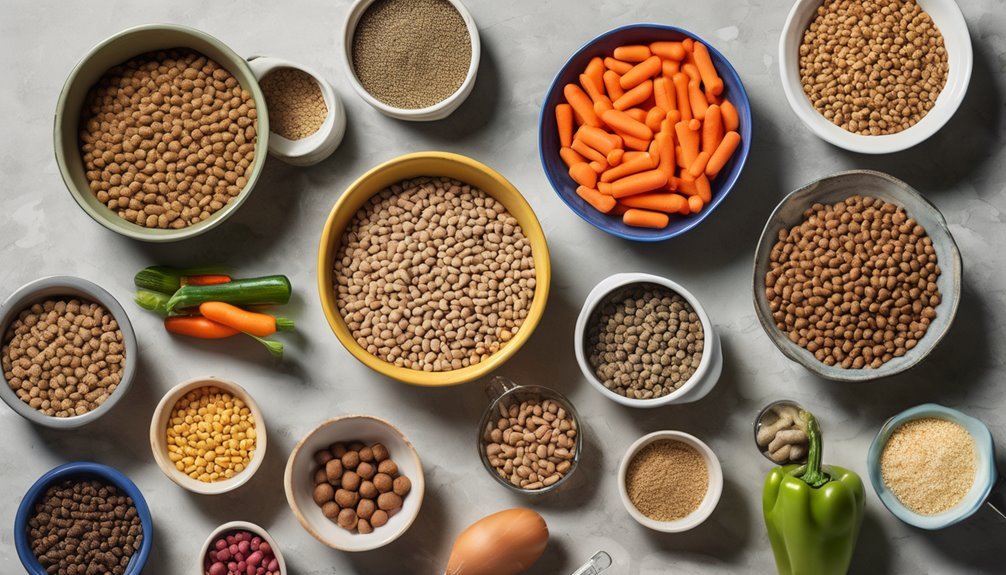
Puppies, full of energy, need a diet rich in calories and nutrients to support their rapid growth and development. Look for high-quality proteins and fats that fuel their playful antics and ensure they thrive.
As your dog matures into adulthood, their diet should shift to maintain optimal weight and energy levels.

When they reach senior years, digestion becomes a priority. Ingredients that promote digestive health, like fiber and probiotics, are essential.
Older dogs may require fewer calories but more nutrients to support joint and overall health. Tailoring their diet to these life stages helps ensure a happy, healthy companion.
Dog Food Differences for Small vs. Large Breeds

While both small and large breeds require balanced nutrition, the specific formulations of their dog food can differ significantly to meet their unique needs.
Small breed nutrients focus on higher calorie density and digestibility, catering to their fast metabolisms. You’ll find smaller kibble sizes that make eating easier for them.
In contrast, large breed formulas often include controlled calorie levels and added joint-supporting ingredients like glucosamine. This helps prevent obesity and promotes healthy growth in larger dogs.
Additionally, large breeds benefit from larger kibble to encourage slower eating, reducing the risk of bloat.
Must-Have Nutrients for Puppies, Adults, and Seniors
Understanding the essential nutrients your dog needs at different life stages is crucial for their health and well-being.
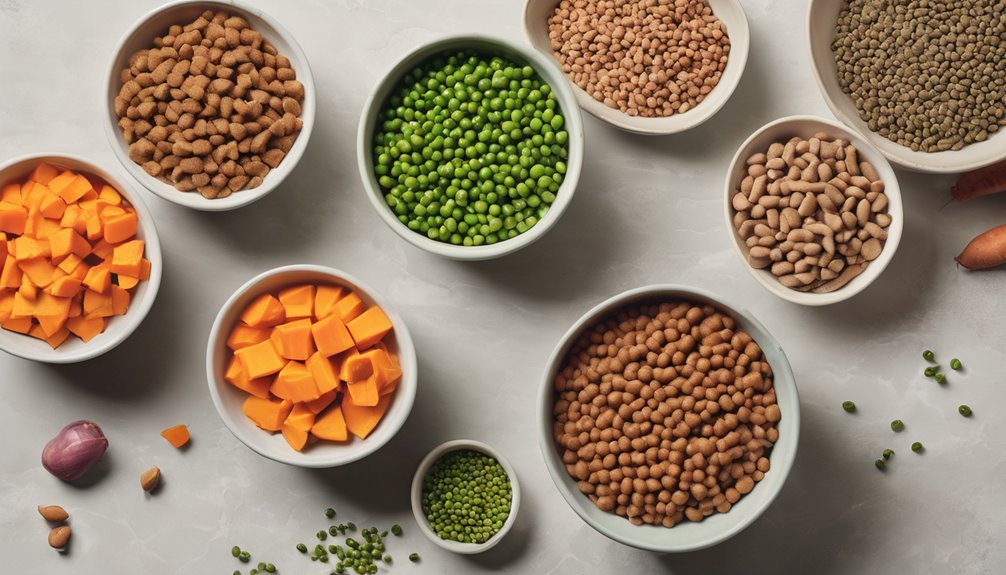
For puppies, focus on high-quality proteins, fats, and DHA for optimal puppy growth. These nutrients support brain development and strong muscles.
Adult dogs require a balanced diet with adequate protein, fiber, and healthy fats to maintain energy and overall health.
As your dog ages, their nutritional needs shift. Seniors benefit from lower-calorie, high-fiber foods, combined with joint-supporting nutrients like glucosamine and omega-3 fatty acids, which promote senior health.
Tailoring your dog’s diet to their age ensures they receive the right balance of nutrients, helping them thrive through every stage of life.

How to Make Sense of Dog Food Labels?
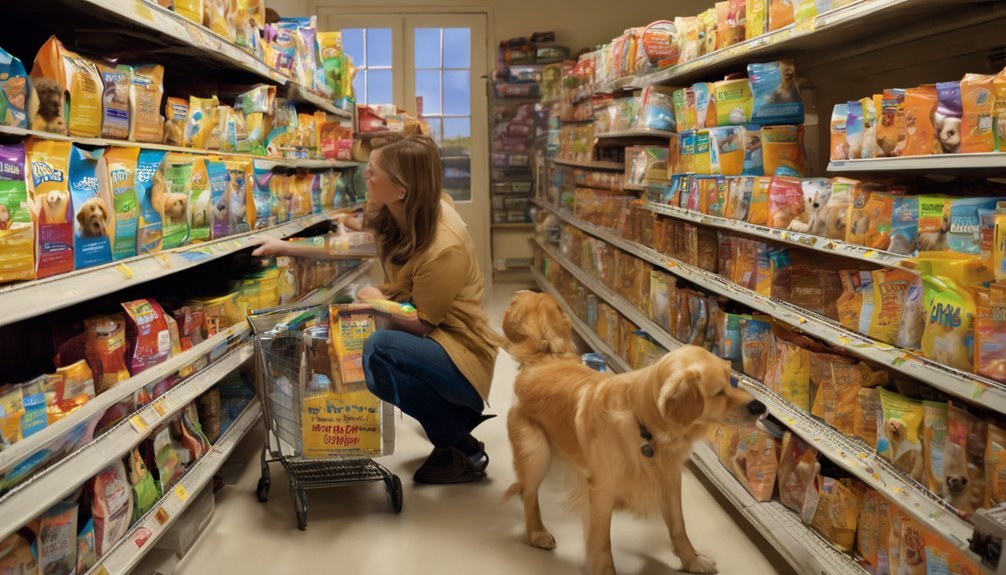
Choosing the right dog food can be overwhelming, especially with the variety of options available. To start, check the caloric content on the label; it directly impacts your dog’s energy levels and weight management.
Look for a balance that suits your dog’s age and size. Next, pay attention to ingredient sourcing. High-quality ingredients, like real meat and whole grains, indicate better nutrition.
Avoid vague terms like “meat by-products” and opt for specific sources instead. A good label will also list essential nutrients, such as proteins and fats, which are crucial for your dog’s health.
Best Practices for Transitioning Dog Food
When you decide to switch your dog’s food, it’s crucial to do so gradually to prevent digestive upset.
Begin the transition period by mixing a small amount of the new food with their current diet—about 25% new to 75% old food.
Begin transitioning your dog’s diet by mixing 25% new food with 75% of their current food.
Over the next week, slowly increase the new food while decreasing the old, aiming for a complete switch by the end of two weeks.
This gradual change allows your dog’s digestive system to adjust, minimizing the risk of diarrhea or vomiting.
Pay attention to your dog’s reactions during this process; if any issues arise, slow down the transition.
Always consult your vet if you’re unsure about the best approach for your dog’s specific needs.
Frequently Asked Questions
Can I Feed My Dog Homemade Food Instead of Commercial Brands?
Yes, you can feed your dog homemade food, but ensure you’re maintaining nutritional balance with proper homemade recipes. It’s vital to research ingredients to provide all essential nutrients for your furry friend’s health and happiness.
How Often Should I Change My Dog’s Food?
You should change your dog’s food gradually, ideally every six to twelve months. When transitioning, adjust your feeding schedule over a week, mixing the new food with the old to avoid digestive upset.
Are Grain-Free Diets Better for My Dog?
Grain-free diets aren’t necessarily better for your dog. Many grains offer important nutrients that support dog nutrition. Consult your vet to balance benefits and potential risks, ensuring your pup gets what they truly need.
What Signs Indicate My Dog Is Allergic to Their Food?
If your dog’s scratching, vomiting, or having diarrhea, it might be food allergy symptoms. Common allergens include beef, dairy, and wheat. Keep a close eye on their reactions to identify triggers and consult your vet.
How Do I Store Dog Food to Maintain Freshness?
Storing dog food properly can extend its freshness by up to 50%. Use airtight containers or vacuum sealing to keep moisture and pests out, ensuring your pup enjoys every bite without compromising nutrition.
Conclusion
Choosing the right dog food is like finding the perfect tune for your furry friend’s life stage. By understanding their unique nutritional needs, you can ensure they thrive at every age. Whether you’re nurturing a playful puppy, maintaining a vibrant adult, or caring for a wise senior, selecting the right ingredients is key. So, keep an eye on those labels and transition wisely; your dog’s health and happiness depend on it, ensuring they dance through life with vitality.