Have you ever wondered what truly makes a rabbit happy? Observing their behavior can provide valuable insights into their emotional well-being. From playful antics to relaxed body language, several signs indicate your rabbit’s happiness. By understanding these cues, you can ensure your pet thrives in a nurturing environment. So, what are the key indicators that your rabbit is content and joyful? Let’s explore the signs together.
Key Takeaways
- Look for playful behaviors like binkying, running in circles, or engaging with toys, which indicate happiness and excitement.
- Observe relaxed body language, such as a loose posture and upright ears, signaling comfort and contentment.
- Notice vocalizations like soft purring or gentle honking, which express joy and satisfaction in your rabbit.
- Ensure your rabbit has an enriched environment filled with toys, tunnels, and safe chewing materials for mental stimulation.
- Regular bonding moments, like nuzzling and gentle handling, enhance your rabbit’s emotional well-being and happiness.
What Are the Signs of a Happy Rabbit?
A happy rabbit radiates joy through various behaviors and physical cues. You’ll notice your bunny engaging with favorite toys, showcasing playful interactions that spark delight.
They often explore safe spaces, hopping around with curiosity, which indicates a comfortable environment. Regular territory marking is another sign, as your rabbit establishes their space.
Look for health indicators like a shiny coat and bright eyes; these reflect their overall well-being. Bonding moments, such as nuzzling or gentle nudging, deepen your connection.
Health indicators like a shiny coat and bright eyes show your rabbit’s well-being, while bonding moments enhance your special connection.
If your rabbit adapts well to routine changes and seeks out environmental enrichment, it’s a clear sign of happiness. By observing these behaviors, you can nurture a fulfilling relationship with your furry friend, ensuring they thrive in a loving home.

How Can I Tell If My Rabbit Is Happy?
How can you truly know if your rabbit is happy? Start by observing their behavior and environment. Happy rabbits often exhibit playful antics, like binkying or running in circles.
Ensure their space is enriched with toys, tunnels, and safe chewing materials—these elements stimulate their natural instincts and promote well-being.
Pay attention to their posture; a relaxed body and ears held upright indicate contentment. You should also consider environmental factors; a quiet, safe space helps reduce stress.
Regular interaction and gentle handling strengthen your bond, giving your rabbit a sense of security. By fostering rabbit enrichment and a nurturing environment, you can create a joyful atmosphere that reflects your rabbit’s happiness.
Trust your instincts; you’ll learn to recognize their unique signs of joy.
How Playfulness Indicates Rabbit Happiness
When your rabbit engages in playful behaviors, it’s a strong indicator of their happiness. During playtime activities, you’ll notice their energy levels soar as they explore their environment.
Providing favorite toys or introducing interactive games can lead to delightful bonding moments, reinforcing your connection.
Favorite toys and engaging games foster joyful bonding moments, deepening your connection with your rabbit.
Watch how your rabbit’s exploration habits change; they might suddenly dash around or investigate new objects with curiosity.
Establishing consistent playtime routines helps create a sense of security, allowing your rabbit to express their playful side freely.
The joy they exhibit during these activities reflects their emotional well-being, showcasing a vibrant and happy spirit.
How Hopping and Binkying Indicate Happiness
Seeing your rabbit hop and binky around is one of the most joyful sights for any pet owner. These spontaneous, joyful jumps are more than just cute; they’re a clear indication of your bunny’s happiness.
When your rabbit performs these energetic leaps, it’s expressing excitement and contentment. This unique bunny behavior showcases their playful spirit and comfort in their environment.
Hopping and binkying often happen during playtime or when they’re exploring new areas, reinforcing their joy. If you notice your rabbit zipping around with glee, it’s a wonderful sign that they feel safe and loved.
Embrace these moments, as they reflect the deep bond you share, and enjoy the happiness radiating from your furry friend.
Understanding Relaxed Body Language in Rabbits
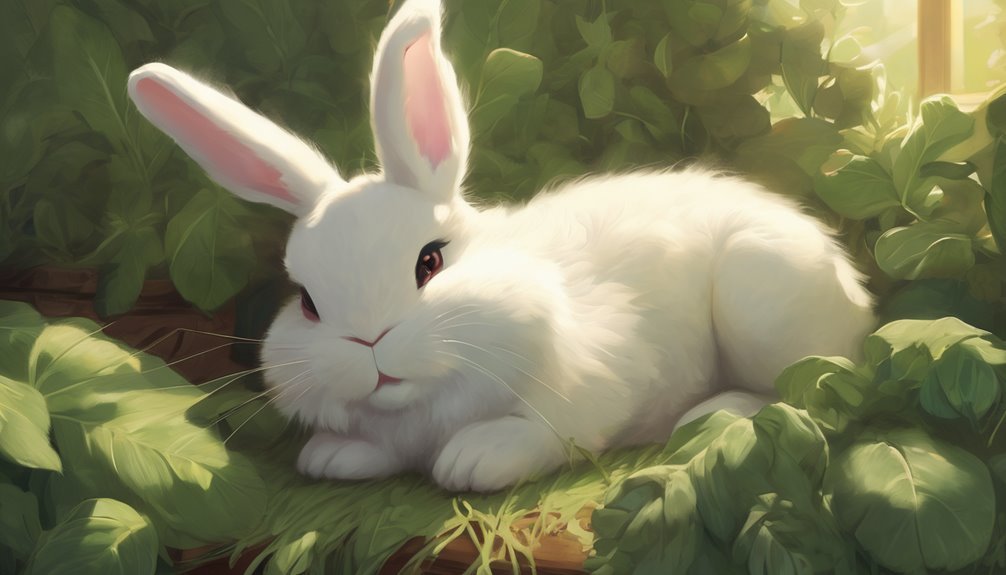
While observing your rabbit’s body language, you’ll notice that a relaxed posture is a strong indicator of their happiness and comfort.

Look for loose body posture, with their ears in a neutral position, not perked up or pinned back. A gently flicking tail shows contentment, while soft eye expressions signal trust. You might catch them nose twitching, a sign of curiosity and ease.
Additionally, pay attention to their space preference; rabbits often choose cozy, safe spots for resting. If you see them grooming their fur, they’re likely feeling secure.
Grooming: A Sign of Your Rabbit’s Happiness
Grooming plays a vital role in your rabbit’s happiness and overall well-being, as it reflects their comfort and contentment. When your rabbit engages in grooming habits, it’s a sign they feel secure in their environment.
Grooming is essential for your rabbit’s happiness, indicating their comfort and security in their environment.
Not only does grooming keep their fur clean, but it also reinforces social bonds and reduces stress. Here are some grooming benefits you might notice:
- Maintains a healthy coat, preventing matting
- Regulates body temperature through fur management
- Encourages blood circulation
- Helps in bonding with you or other rabbits
- Reduces anxiety and promotes relaxation
What Sounds Indicate a Happy Rabbit?
Understanding the sounds your rabbit makes can offer valuable insights into their emotional state. Happy vocalizations, like soft purring or gentle honking, signal that your bunny feels safe and content.
You might also notice content chirps, often resembling bird sounds, which indicate joy and excitement. These vocalizations typically arise when they’re playing or interacting with you.
If your rabbit suddenly jumps and makes quick, short barks, it’s a sign of sheer happiness or playful energy. Pay attention to these sounds; they reveal your rabbit’s feelings and strengthen your bond.
How a Good Diet Makes Your Rabbit Happy
A rabbit’s happiness is closely linked to its diet, as the right nutrition plays a vital role in their overall well-being. To keep your furry friend thriving, focus on these essential elements:
- Fresh greens: Leafy vegetables are crucial for their health.
- Pellet balance: Choose high-quality pellets to provide necessary nutrients.
- Treat variety: Offer occasional treats to keep mealtime exciting.
- Hydration importance: Always ensure fresh water is available for proper hydration.
- Hay quality: Fresh, high-quality hay should be the staple of their diet.
Stick to a consistent feeding schedule and be mindful of any dietary changes.
Consider vitamin supplements if needed, as they can help maintain optimal health. A well-fed rabbit is a happy rabbit!
How Social Interaction Affects Your Rabbit’s Mood?
While many people might overlook it, social interaction plays a crucial role in your rabbit’s emotional well-being. Rabbit companionship is vital; these social creatures thrive on bonds with both humans and other rabbits.
Engaging in regular playtime not only enhances their happiness but also strengthens social bonding. When you spend quality time with your rabbit, whether through petting, playing, or simply being present, you’re providing them with essential interaction benefits.
This connection reduces stress and fosters a sense of security, making your rabbit feel loved and valued.
Frequently Asked Questions
Can Rabbits Show Happiness Differently Based on Their Breed?
Yes, rabbits can show happiness differently based on their breed. Some breeds exhibit unique behaviors and social interactions, reflecting their personalities. Understanding these nuances helps you connect more deeply with your furry companion and enhance their well-being.
What Environment Best Supports My Rabbit’s Happiness?
What makes for a happy rabbit? A spacious, safe environment enriched with toys, social interaction, and regular enrichment activities fosters joy. By creating this atmosphere, you’ll nurture a loving bond with your furry friend.
How Does Age Affect a Rabbit’s Happiness?
Age milestones significantly impact your rabbit’s happiness. As they age, you’ll notice behavioral changes—like reduced energy or altered social interactions. Understanding these shifts helps you adapt their care, ensuring they feel loved and secure throughout their life.
Can a Rabbit’s Mood Change Seasonally?
Yes, a rabbit’s mood can change seasonally. Studies show that temperature sensitivity affects their seasonal behaviors. During colder months, they might be less active, so providing warmth and comfort is essential for their well-being.
What Should I Do if My Rabbit Seems Unhappy?
If your rabbit seems unhappy, observe behavior signs like hiding or aggression. Check dietary influences; ensure they’re getting fresh greens and hay. Creating a safe, enriched environment can also significantly improve their mood and well-being.
Conclusion
In conclusion, keeping an eye on your rabbit’s behavior and body language is key to understanding its happiness. Remember, “a happy pet is a healthy pet.” By ensuring your rabbit has a stimulating environment, proper diet, and plenty of social interaction, you can nurture its well-being. When you notice those playful binkies and relaxed postures, you’ll know your furry friend is truly content. Your attention and care make all the difference in its joyful life.