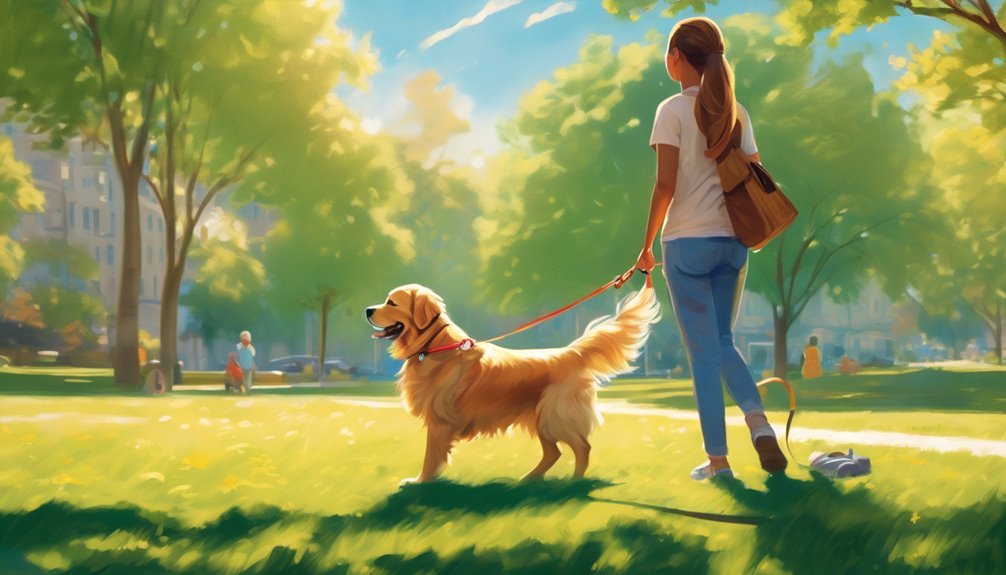
Did you know that a dog’s pulling behavior is often rooted in their natural instincts rather than defiance? This can make walks challenging, but there are effective ways to teach your dog better leash manners. By understanding why dogs pull and using the right training techniques, you can transform your walks into a more enjoyable experience. Let’s explore practical strategies that can help you gain control and improve your dog’s behavior on the leash.
Key Takeaways
- Use a well-fitted harness to reduce pulling and distribute pressure evenly across the dog’s body.
- Train basic commands like “sit,” “stay,” and “heel” to establish control during walks.
- Implement positive reinforcement by rewarding calm behavior and following commands with treats or praise.
- Practice loose leash walking techniques to encourage your dog to walk beside you without pulling.
- Gradually expose your dog to distractions while using “leave it” or “focus” commands to manage reactivity.
Why Dogs Pull on Leashes: Understanding the Behavior
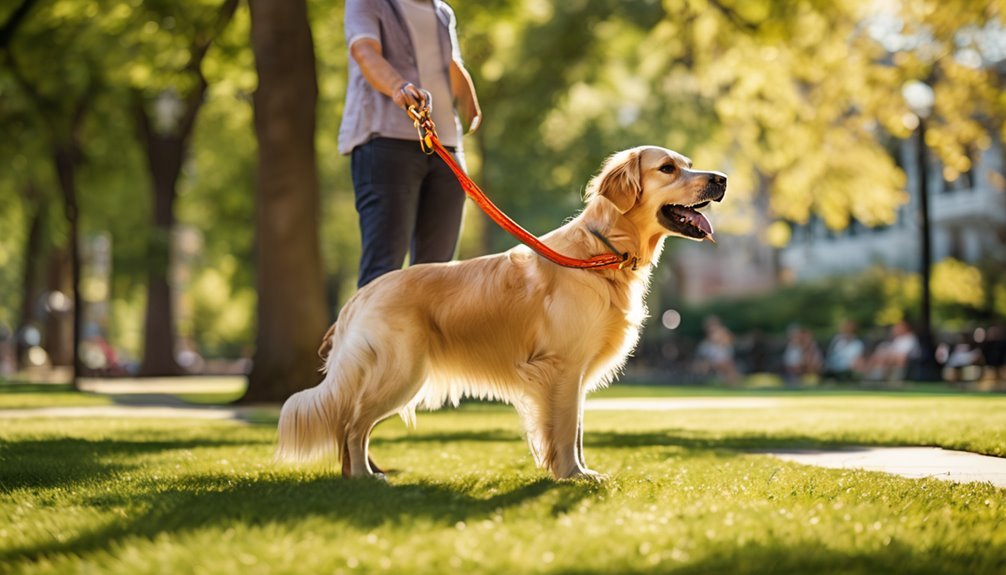
Understanding why dogs pull on leashes can help you tackle the issue more effectively. Dogs are driven by their natural canine instincts, often feeling the urge to explore their surroundings. When they see squirrels, other dogs, or interesting scents, their excitement can lead to pulling.
Additionally, socialization factors play a crucial role; if your dog hasn’t had enough exposure to different environments or experiences, they may pull out of anxiety or curiosity.
To address this behavior, consider reinforcing positive habits through consistent training. Redirect their focus and reward them for walking calmly beside you.

Choosing the Right Equipment for Leash Training
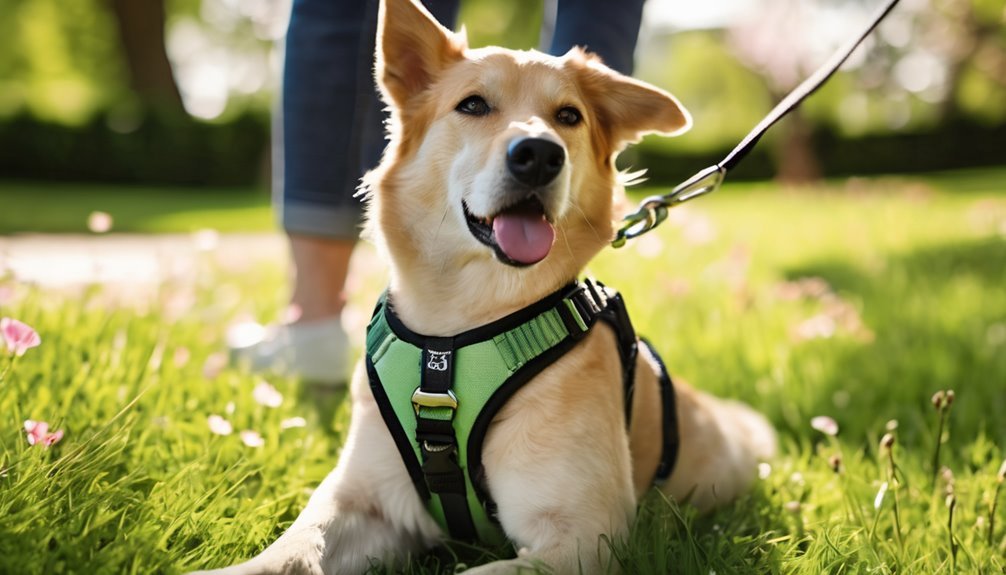
Choosing the right equipment for leash training can make a significant difference in your dog’s behavior during walks. You’ll want to explore various harness types, leash options, and collar considerations to find what works best for you both.
| Equipment Type | Key Features |
|---|---|
| Harness | Reduces pulling, distributes pressure |
| Flat Collar | Simple, but may encourage pulling |
| Head Halter | Directs head, ideal for strong pullers |
| Leash Options | Varying lengths and materials |
When selecting training tools, consider equipment durability and fitting techniques to ensure comfort. A well-fitted harness or collar can foster a more enjoyable walking experience, helping you build a stronger bond with your furry friend.
Teaching Basic Commands for Better Control

To effectively manage your dog’s behavior on walks, teaching basic commands is essential. Start with the sit command; it’s an excellent way to gain control.
Once your dog understands this, introduce the stay command to help them remain calm. The heel command is crucial for keeping them close by your side.
Use the come command to recall your dog when needed, and the down command to encourage relaxation. Teach leave it to prevent them from grabbing distractions, and incorporate the watch me or focus command to redirect their attention back to you.
Consistent practice of these commands won’t only enhance your connection but also ensure enjoyable walks together. Your efforts will create a well-behaved companion by your side.
Using Positive Reinforcement to Train Your Dog
Once your dog masters basic commands, you can enhance their training through positive reinforcement. This method not only builds trust but also makes learning fun for both of you. Here’s how to get started:
- Use clicker training: A clicker helps mark desired behaviors instantly, so your dog knows exactly what they did right.
- Focus on reward timing: Give treats or praise immediately after the desired behavior. This clarity reinforces the action in your dog’s mind.
- Be consistent: Ensure everyone in your household follows the same cues and rewards to avoid confusion.
With patience and love, you’ll see your dog responding better on the leash, making your walks more enjoyable.
Positive reinforcement creates a bond that keeps you both motivated!
Mastering the ‘Stop and Go’ Technique
Master the ‘Stop and Go’ technique to teach your dog proper leash manners effectively. This method encourages your dog to pay attention to you while walking.

Start by setting a pace, then use clear stop signals whenever your dog pulls ahead. When they reach the end of the leash, stop walking. Wait until they return to your side or relax their pull before you move again. This reinforces the idea that pulling leads to a halt in progress.
Set a pace and use stop signals to teach your dog that pulling means progress halts, encouraging them to stay by your side.
By varying your pacing patterns, you keep your dog engaged and focused. Celebrate small victories with praise or treats to create positive associations.
With patience and consistency, your walks will become more enjoyable for both of you.
Introducing Leash Training in Different Environments
Training your dog to walk nicely on a leash doesn’t just happen in a quiet park; it’s important to practice in various environments. Each setting offers unique challenges that help your dog learn distraction management and improve leash handling skills.
Try these three environments for effective training:
- Urban environments: Navigate busy sidewalks, traffic sounds, and bustling crowds. This helps your dog focus amidst distractions.
- Rural settings: Encounter open spaces with wildlife and new scents, encouraging exploration while maintaining control.
- Quiet neighborhoods: Use these spaces for less overwhelming practice, solidifying good habits before tackling more stimulating areas.
Common Leash Pulling Problems and How to Fix Them
Leash pulling can be frustrating, especially when you’re trying to enjoy a walk with your dog. Common issues include excitement overload, distractions, and lack of leash etiquette. Here’s how you can address these problems:
| Problem | Solution | Tips |
|---|---|---|
| Overexcitement | Use calm commands | Practice before walks |
| Distractions | Implement distraction management | Use treats to refocus attention |
| Poor leash etiquette | Train for loose leash walking | Reward good behavior consistently |
| Reactivity to others | Teach “leave it” or “focus” commands | Gradually expose to distractions |
Maintaining Progress and Reinforcing Good Behavior
While you’ve made progress in getting your dog to walk nicely on a leash, it’s crucial to keep reinforcing that good behavior.
Maintaining consistency is key. Here are some effective strategies to ensure your dog stays on track:
- Use consistent cues: Always use the same commands to signal desired behavior.
- Practice regularly: Short, frequent walks help reinforce lessons without overwhelming your dog.
- Focus on reward timing: Reward your dog immediately when they walk beside you, reinforcing the connection between good behavior and positive outcomes.
Frequently Asked Questions
How Long Does Leash Training Usually Take?
Leash training usually takes a few weeks, depending on your dog’s motivation and the techniques you use. Stay patient, be consistent, and celebrate small wins; you’ll see progress and enjoy walks together in no time!
Can I Train an Older Dog to Stop Pulling?
Absolutely, you can teach an older dog leash manners! Think of it as nurturing a fine wine; with patience and consistency, you’ll refine those pulling habits into a smooth walk. Enjoy the journey together!
What if My Dog Refuses to Walk With a Harness?
If your dog refuses to walk with a harness, consider trying harness alternatives like a collar with a leash attachment or a front-clip harness. Keep it positive; encouragement can make all the difference in their comfort.
Are There Specific Breeds Known for Pulling on Leashes?
Absolutely! Breeds like Huskies and Terriers are notorious for their leash-pulling antics. With effective training techniques and understanding breed characteristics, you can turn those tug-of-war sessions into enjoyable walks you both cherish.
How Can I Tell if My Dog Is Anxious While on a Leash?
You can tell your dog’s anxious by observing body language cues like lowered tails, tucked ears, or excessive panting. Look for leash anxiety signs, such as pulling back or trying to hide. Stay patient and supportive.
Conclusion
By understanding why dogs pull and using the right techniques, you can transform your walks into enjoyable experiences. Did you know that nearly 70% of dog owners report leash pulling as a common issue? With consistent training, patience, and positive reinforcement, you’ll see improvements in your dog’s behavior. Remember to practice in various environments and keep reinforcing good habits. Soon, you’ll both be striding confidently together, making your walks a true pleasure.