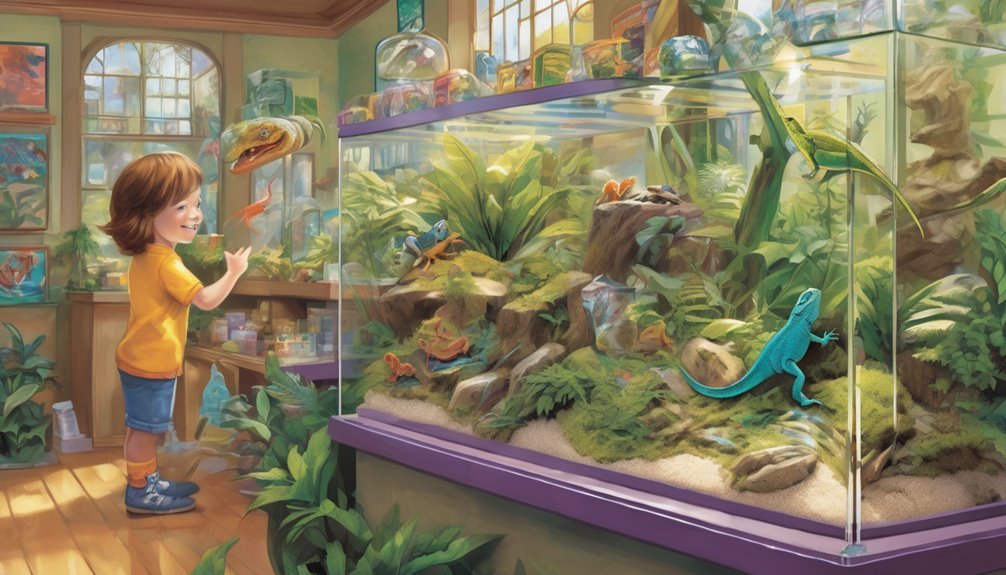
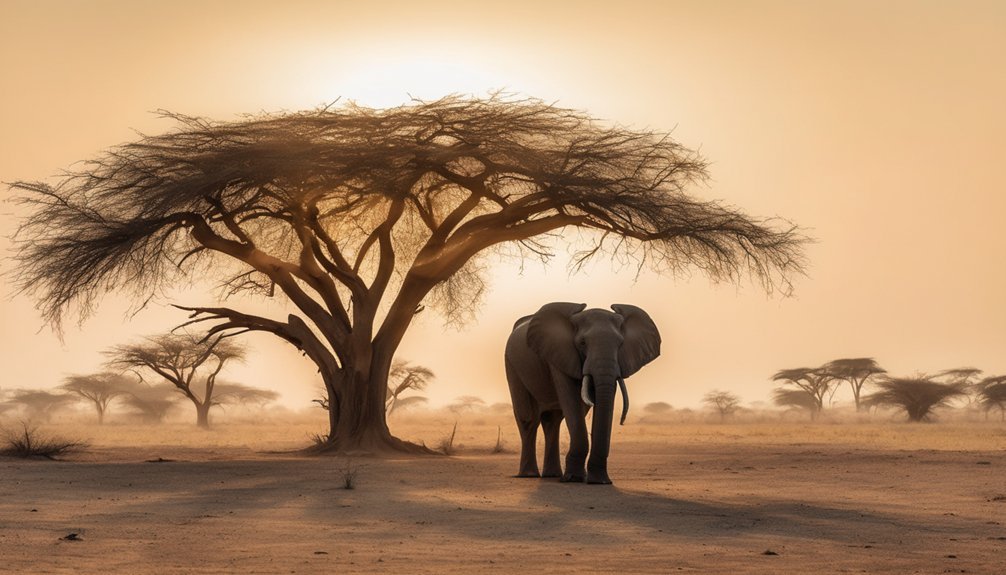
You can see extinction speed up when habitat loss, climate change, pollution, overhunting, and invasive species hit the same animal population at once. These pressures reduce food, space, and genetic diversity, while disease spreads more easily through fragmented habitats. Weak policy enforcement and limited conservation funding often leave species with little protection. The result isn’t just decline; it’s a rapid loss of resilience that raises a harder question next.
Key Takeaways
- Human activity is rapidly destroying habitats, changing climate, and disrupting food webs faster than many species can adapt.
- Habitat fragmentation from farms, roads, and urban growth isolates populations and reduces survival and breeding success.
- Pollution and climate change weaken ecosystems, harm reproduction, and push species beyond their tolerance limits.
- Overhunting and invasive species directly reduce native populations and outcompete them for resources.
- Low genetic diversity, weak policy enforcement, and limited conservation funding make recovery slower than extinction losses.
Why Animal Extinction Is Accelerating
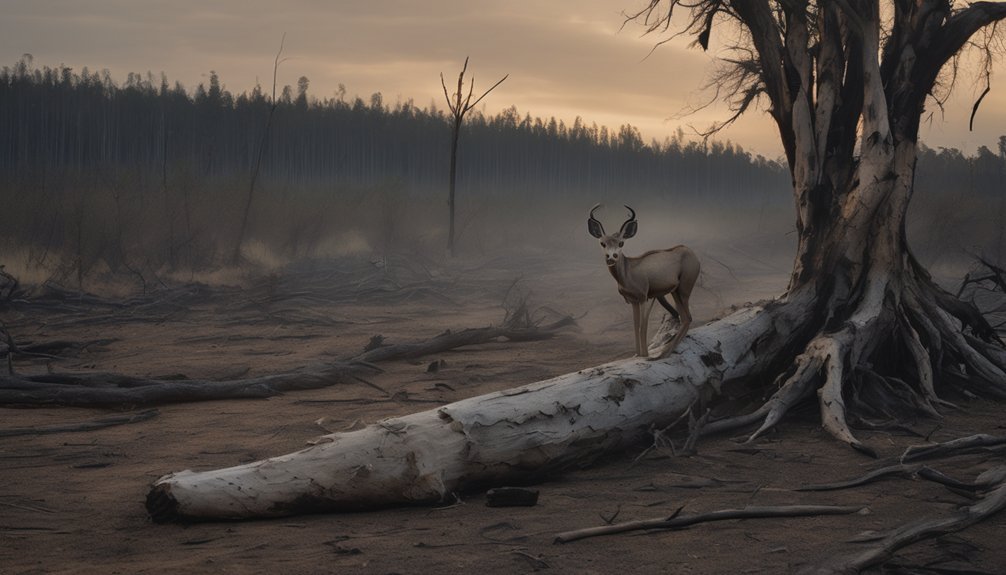
Animal extinction is accelerating because human activities are rapidly changing habitats, climate, and food webs. You can measure this human impact in shrinking genetic diversity, which lowers populations’ ability to adapt to disease and environmental stress.
Urban expansion, pollution, and overuse of resources disrupt ecological balance, while weak policy enforcement lets harmful practices continue. You also see delays when conservation funding falls short of monitoring and recovery needs.
Urban expansion, pollution, and overuse of resources disrupt ecological balance, especially when weak enforcement and limited funding slow conservation efforts.
Effective wildlife corridors can maintain movement between populations, but they require planning and long-term support. Public awareness matters because informed communities are more likely to back protective measures and demand accountability.
When these pressures combine, extinction risk rises faster than many species can recover, especially in already vulnerable ecosystems and isolated populations around the world.

How Habitat Loss Shrinks Survival Space
As forests, wetlands, grasslands, and coral reefs are cleared or fragmented, species lose the space they need to feed, breed, migrate, and avoid predators. You can see habitat loss most clearly in urban development impacts, agricultural expansion effects, and deforestation consequences.
| Pressure | Effect | Result |
|---|---|---|
| Land use changes | Breaks habitat into small patches | Lowers survival |
| Roads and farms | Block movement | Reduces gene flow |
| Protection gaps | Remove shelter | Raises extinction risk |
You also lose wildlife corridors importance, because animals can’t reach resources safely. Protected areas necessity becomes obvious when remaining habitat shrinks below viable size. Ecosystem services loss follows, since pollination, seed dispersal, and water regulation weaken. Climate resilience strategies matter too, but they work best when you preserve connected, intact habitat.
How Climate Change Disrupts Ecosystems
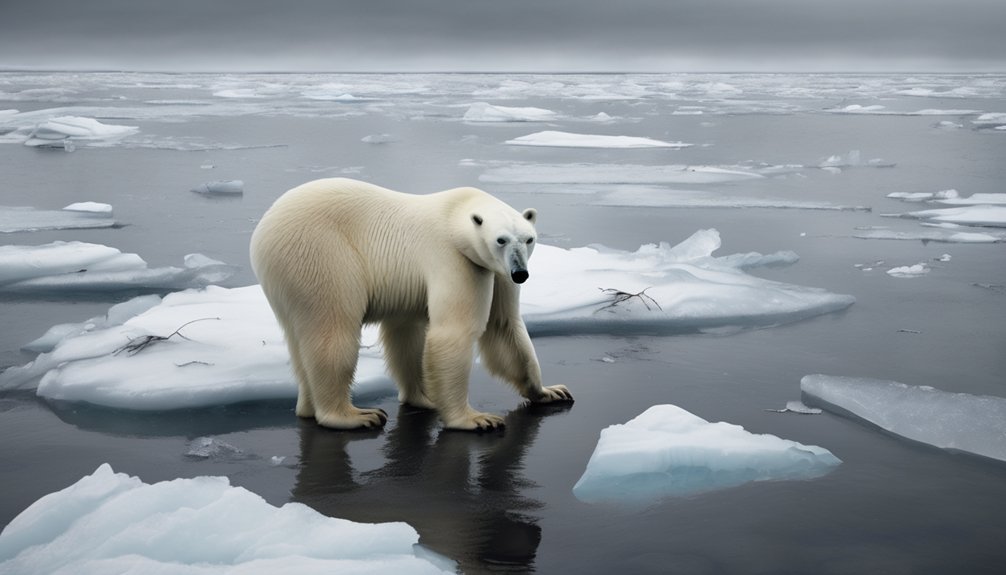
Rising temperatures, shifting rainfall patterns, and more frequent extremes alter the timing and structure of ecosystems, making it harder for species to survive and reproduce. You can see the effects in three linked changes:
- Temperature extremes push organisms beyond tolerances, reducing breeding success and survival.
- Migration patterns shift as animals track cooler habitats, but they often can’t move fast enough.
- Food webs weaken when plants, prey, and predators stop matching in time and place.
These disruptions lower ecosystem resilience, so recovery after stress takes longer and becomes less certain.
They can also trigger climate feedback when damaged habitats store less carbon or release more greenhouse gases.
You’re watching a system lose balance, and each loss makes the next one more likely.
How Pollution Is Poisoning Wildlife
Even when pollution is invisible, it can still poison wildlife through contaminated air, water, and soil.
You see water contamination when chemical runoff carries pesticides and fertilizers into streams, where fish, amphibians, and invertebrates absorb harmful compounds.
You also see plastic pollution kill through ingestion and entanglement, while toxic waste releases heavy metals that accumulate in tissues and move up food chains.
Air pollution can damage lungs, reduce reproductive success, and weaken immune function in birds and mammals.
Air pollution can damage lungs, reduce reproductive success, and weaken immune function in birds and mammals.
These exposures often trigger endocrine disruptors that alter growth, behavior, and fertility.
Over time, habitat degradation makes recovery harder because polluted ecosystems can’t support normal feeding, breeding, or migration.
You’re watching a linked, measurable decline in survival, not an isolated event.
How Overhunting Pushes Species Over the Edge
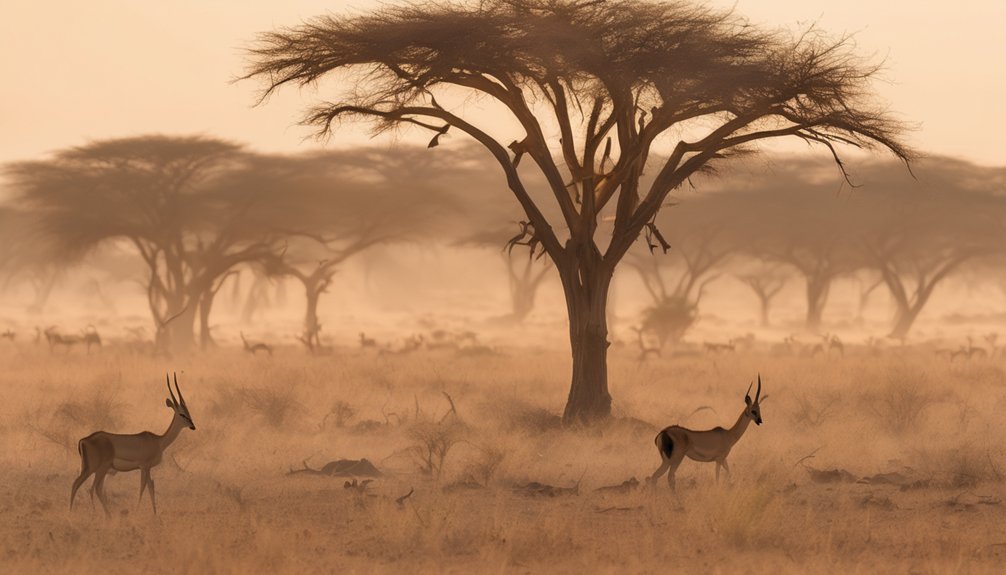
Overhunting pushes species toward extinction when removal rates exceed a population’s ability to reproduce and recover. You can see overhunting consequences in abrupt population decline, reduced genetic diversity, and weakened ecological balance.
- When hunters target breeding adults, recovery slows.
- When markets reward rare animals, pressure intensifies.
- When hunting regulations are weak, losses outpace replacement.
You should recognize that extinction risk rises fastest in species with low birth rates or small ranges.
Overhunting also creates cultural impacts when communities lose food, identity, and local knowledge tied to wildlife.
Strong conservation ethics ask you to value long-term survival over short-term gain.
Careful enforcement, seasonal limits, and monitoring can help prevent collapse and keep ecosystems stable for you and future generations.

How Invasive Species Outcompete Native Wildlife
When nonnative species enter a new habitat, they can outcompete native wildlife by using resources more efficiently, reproducing quickly, or exploiting predators and diseases that local species haven’t evolved to resist.
You can see invasive species reduce native competition by consuming food, nesting sites, and water before local animals do. This pressure weakens species resilience and alters predator dynamics, especially when a new predator or prey shifts feeding patterns.
As ecological balance changes, native populations decline and biodiversity loss follows. Invasive species can also cause habitat disruption by modifying vegetation, soil, or waterways, which further limits local survival.
Because these changes reduce ecosystem services such as pollination, seed dispersal, and nutrient cycling, you face broader ecological damage that can persist long after the invader spreads.
How Disease and Habitat Fragmentation Threaten Wildlife
Invasive species are only one way wildlife populations decline; disease and habitat fragmentation can also push vulnerable animals toward extinction.
When you alter landscapes, you increase contact among stressed animals, raise disease transmission, and reduce genetic exchange. You can see the risk in three ways:
- Roads and farms split ranges, limiting movement.
- Small populations spread pathogens faster in close quarters.
- Weakened ecosystems lose buffers that once slowed outbreaks.
You help by supporting habitat restoration, which reconnects patches, improves shelter, and lowers crowding.
Scientific studies show fragmented habitats often produce higher mortality and lower reproduction.
When you protect continuous cover, you give wildlife a better chance to resist infection and survive long enough to recover.
Animals Most at Risk
Animals most at risk of extinction typically share a few traits: small population size, narrow geographic range, slow reproduction, and high dependence on specific habitats or food sources.
You can see these patterns in endangered species such as island birds, amphibians, large mammals, and specialized reef fish. Their critical habitats often sit in places where human pressure is intense, so even modest disturbance can accelerate extinction trends.
Their critical habitats often sit in places where human pressure is intense, accelerating extinction trends.
When you track population numbers, you’ll notice that low genetic diversity can increase vulnerability to disease, climate shifts, and random events.
These species also contribute disproportionately to biodiversity loss when they disappear. Wildlife protection focuses on these high-risk animals because their decline signals broader ecosystem instability, and conservation efforts often prioritize them before losses become irreversible.
How Conservation Can Slow Extinction
Conservation can slow extinction by reducing the pressures that push populations past recovery. You can protect species most effectively when you connect habitats, manage threats, and support recovery plans.
- Build wildlife corridors and restore habitat so animals can move, breed, and find food.
- Use conservation genetics to preserve diversity, limit inbreeding, and strengthen small populations.
- Expand community engagement, education programs, and sustainable practices so local people help reduce hunting, pollution, and conflict.
You can also advance policy advocacy and funding initiatives that keep monitoring and intervention active.
When you align science with action, conservation doesn’t just delay loss; it increases the odds that fragile populations can stabilize and persist in changing environments.
Frequently Asked Questions
Which Animals Became Extinct Before Humans Started Recording Them?
You’d include prehistoric mammals, ancient reptiles, extinct birds, and marine species known only from fossils, like mammoths, dinosaurs, moa, and ammonites. You can’t name many precisely, because humans didn’t record most prehistory directly.
How Do Scientists Predict Extinction Risk for a Species?
You’d estimate extinction risk by combining population trends, range size, breeding success, and threats; remarkably, when habitat loss and climate change overlap, models often predict a species’ chance of disappearing sooner.
Can Extinct Species Ever Be Brought Back?
Yes, you can sometimes bring extinct species back using de extinction technologies, but you’ll face major ethical considerations. You’d need usable DNA, surrogate relatives, and likely get only partial revivals, not exact historical copies.
Why Do Some Ecosystems Recover Faster Than Others?
You see faster recovery where ecosystem resilience is high, habitat restoration is effective, and species diversity remains strong; where soils, water, and pollinators rebound quickly, you’ll notice recovery, stability, and resistance returning sooner.
How Do Protected Areas Actually Get Enforced?
You enforce protected areas through patrols, monitoring, fines, and community reporting. Legal frameworks define boundaries and penalties, while conservation strategies support habitat protection. You’ll still face enforcement challenges from funding gaps, corruption, and remote terrain.
Conclusion
You can see extinction speeding up like a wildfire in dry grass, driven by habitat loss, climate change, pollution, overhunting, invasive species, disease, and fragmented ecosystems. As species lose space, food, and genetic diversity, their chances of survival shrink fast. But your choices, along with stronger conservation policies and funding, can still slow this collapse. Protecting habitats and reducing human pressures now can help keep wildlife from slipping past the point of recovery.