You notice camouflage in color, camouflage in texture, camouflage in behavior, and each trait serves survival. In the wild, you see snowshoe hares, desert rodents, and octopuses using distinct adaptations to avoid predators, conserve water, and endure heat or cold. These strategies come from natural selection, and they shape how animals feed, hide, and persist under pressure. Yet some of the most unusual mechanisms are still waiting just ahead.
Key Takeaways
- Animals survive by efficiently finding food, avoiding predators, and conserving energy in changing environments.
- Camouflage helps animals blend with surroundings, reducing detection by predators and prey.
- Many species endure scarcity by slowing metabolism, storing energy, and extracting water from food or body processes.
- Built-in defenses like spines, shells, toxins, and warning colors increase survival against attackers.
- Desert and Arctic animals use specialized behaviors and body adaptations to withstand extreme heat or cold.
What Makes an Animal a Survival Expert?
An animal becomes a survival expert when it can consistently find food, avoid predators, tolerate harsh conditions, and reproduce in changing environments. You can measure this ability by examining how efficiently it uses energy, responds to stress, and adapts its behavior across seasons.
Strong survival skills often reflect evolutionary traits shaped by natural selection, such as efficient metabolism, sensory acuity, and flexible physiology. You’ll also see behavioral strategies that improve success, including shifting activity times, conserving water, and exploiting varied resources.
These features don’t work alone; they interact to support persistence when conditions change. In intimate ecological terms, survival expertise means the body and behavior stay closely matched to the environment, giving the animal a reliable advantage over competitors and hazards.

Camouflage Masters in the Wild
One of the most effective survival strategies is to remain unseen, and camouflage gives many animals that advantage.
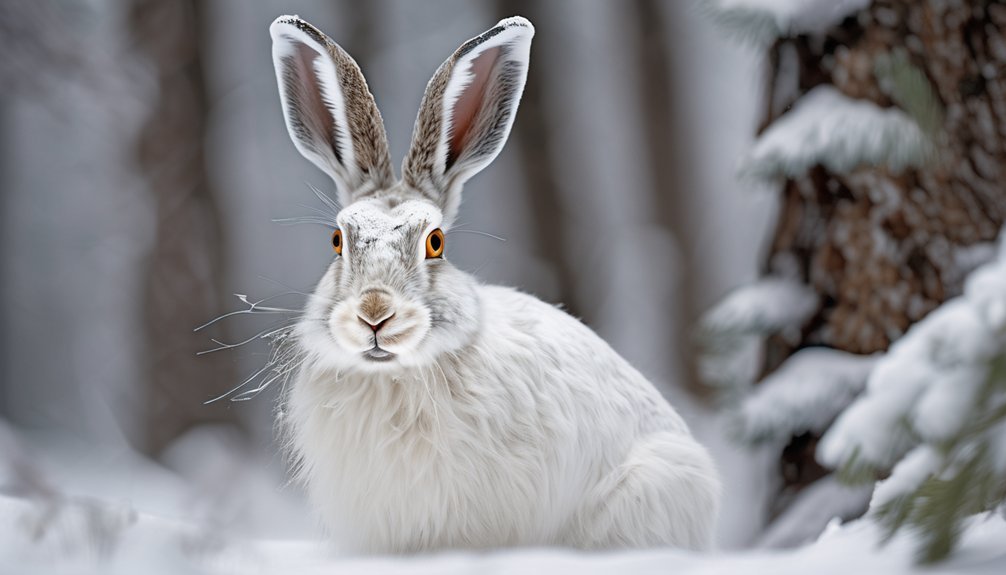
You can observe how a leaf insect matches veins, edges, and motionless posture to nearby foliage. A snowshoe hare shifts coat color with the seasons, while octopuses use color changing abilities to alter pigment, texture, and pattern in seconds.
These adaptations rely on blending techniques that reduce contrast with bark, sand, coral, or shadow. You’ll notice that camouflage works best when body shape, behavior, and habitat all align.
Camouflage works best when body shape, behavior, and habitat all align, reducing contrast with the surrounding world.
Predators lose visual cues, and prey gain precious moments to escape or ambush. In the wild, concealment isn’t passive; it’s an active biological response shaped by evolution, giving you a clear view of survival through invisibility.
How Animals Go Without Food or Water
When food and water become scarce, animals survive by slowing demand, storing reserves, or switching to alternative sources. You can see this in hibernators, desert rodents, and migratory birds, each using metabolism to stretch supplies.
Fat, glycogen, and even proteins provide energy when regular feeding stops, while food storage in burrows, cheek pouches, or body tissues helps bridge long gaps.
For water, animals rely on water conservation: kidneys make concentrated urine, skin limits evaporation, and respiration loses less moisture. Some species extract water from seeds, nectar, or metabolic breakdown of fat.
These responses are tightly regulated by hormones and temperature, letting you observe survival as a precise balance between intake, expenditure, and environment, not simple endurance.
Built-In Defenses Against Predators
Built-in defenses help animals reduce the chance of being caught, injured, or eaten by using traits that work before, during, or after an attack. You can see how physical adaptations, chemical defenses, mimicry techniques, and behavioral strategies each target a predator’s senses or actions.
- Spines, shells, and armor block bites and claws.
- Toxins, sprays, and foul tastes discourage repeated attacks.
- Camouflage, warning colors, and feigned injury shift predator behavior.
When you observe these traits, you notice a layered system: some animals avoid detection, others advertise danger, and some escape once contact starts.
You’re seeing evolution shape defenses that lower risk without requiring constant movement or conflict. These traits don’t work alone; they interact, making predation harder and survival more likely in many species.
How Desert Animals Beat the Heat
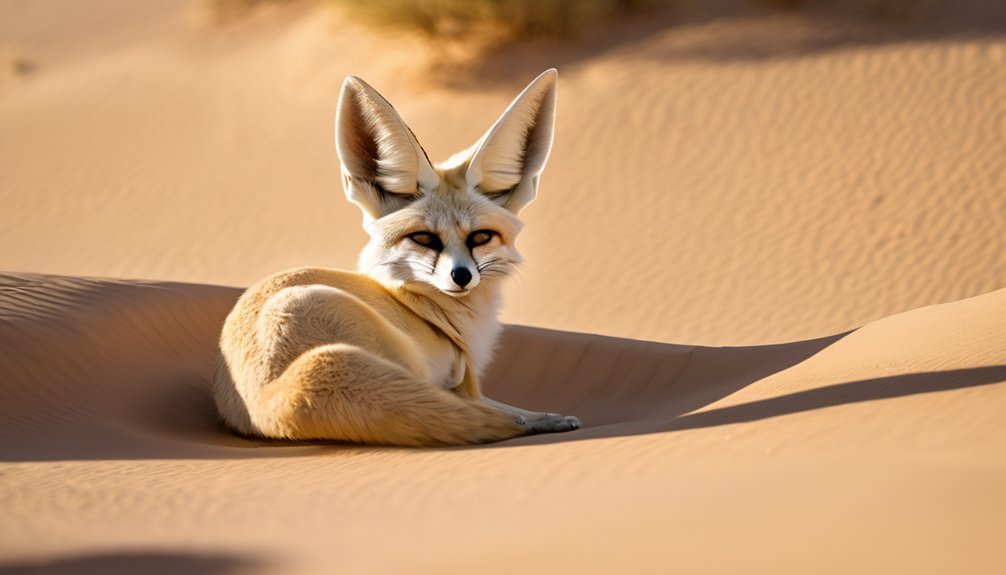
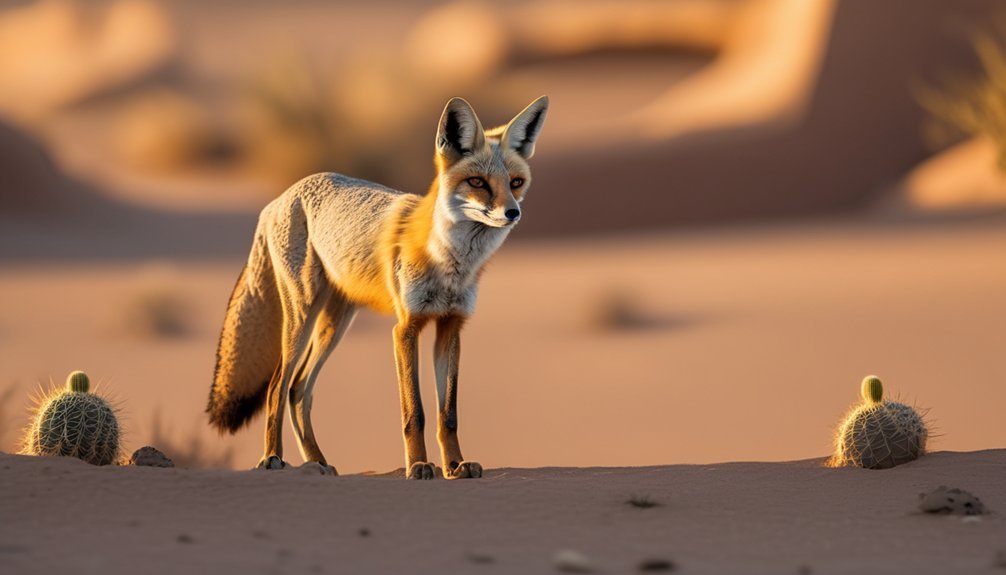
Desert animals survive intense heat by combining structural, physiological, and behavioral adaptations that limit water loss and prevent overheating. You can see heat tolerance in camels, fennec foxes, and lizards that keep body temperatures within safe ranges.
| Adaptation | Effect |
|---|---|
| Nocturnal behaviors | You stay active after sunset, when temperatures drop. |
| Burrowing techniques | You retreat underground, where soil buffers heat. |
| Water conservation | You excrete concentrated waste and reduce sweating. |
These traits work together, so you don’t need to rely on constant drinking. Instead, you use shade, stillness, and efficient kidneys to conserve moisture. Your survival depends on timing, insulation, and metabolic restraint. In this harsh environment, every drop matters, and small changes in behavior can mean the difference between dehydration and endurance.

Arctic Animals and Cold-Weather Survival
In the Arctic, animals survive extreme cold by trapping heat, reducing exposure, and conserving energy through tightly tuned adaptations. You can see thick fur, dense blubber, and compact bodies limiting heat loss while supporting Arctic adaptations that fit each species’ niche.
- Polar camouflage helps you blend with snow and ice, lowering detection by predators and prey.
- Cold weather behavior includes curling up, huddling, and sheltering from wind to preserve body warmth.
- Ice hunting lets you exploit seals, fish, or invertebrates through cracks, breathing holes, and frozen edges.
You’ll notice these traits work together as a coordinated system: insulation, concealment, and timing.
In this harsh habitat, survival depends on precise responses to temperature, terrain, and movement.
How Animals Survive Drought and Scarcity
When water becomes scarce, animals survive by cutting losses, storing reserves, and shifting activity to cooler, less demanding periods.
You can see water conservation in action as many species reduce sweating, limit breathing losses, and reclaim moisture from food and waste.
Desert mammals often feed at night, while reptiles shelter in shade or burrows during the hottest hours. These drought strategies lower metabolic demand and preserve body fluids.
Some animals tolerate temporary dehydration, then quickly rehydrate when rain returns. Others track brief pulses of green growth, moving just enough to find scattered resources without wasting energy.
In each case, survival depends on precise timing, efficient physiology, and careful use of every available drop in harsh, unpredictable environments.
Most Remarkable Animal Survival Adaptations
Among the most remarkable animal survival adaptations are defenses, body structures, and behaviors that solve immediate threats with surprising efficiency. You can see evolutionary traits refined by natural selection in every habitat specialization, from deserts to deep seas.
A camouflaged insect blends into bark, reducing detection; a chameleon shifts color to match its background; and a kangaroo rat conserves water through extreme metabolic efficiency. These adaptations let you observe survival as a precise biological response, not random luck.
- Camouflage lowers predator success.
- Venom and armor increase defense.
- Migration and dormancy reduce exposure.
When you study them closely, you notice that each trait balances cost and benefit, helping animals persist under pressure. Their success feels intimate because it mirrors your own need to adapt.
Frequently Asked Questions
How Do Animals Learn Survival Skills From Their Parents?
You learn that parents teach survival through parental guidance, while you also inherit instinctual behavior. They model hunting, hiding, and caution, and you practice these skills until they become reliable, adaptive responses in your environment.
Which Animals Migrate the Farthest to Survive?
Arctic terns migrate the farthest to survive, you’ll find, following long distance migration routes between polar regions. Humpback whales, bar-tailed godwits, and monarch butterflies also show remarkable migratory patterns shaped by seasonal resource changes.
How Do Urban Animals Adapt to City Environments?
You’d think cities were hostile mazes, yet urban animals adapt through resource adaptation: they exploit garbage, nests, and heat islands, and alter behavior, timing, and diets. In urban exploration, you’ll notice remarkable flexibility.
Can Animals Recognize Individual Humans as Threats?
Yes, you can see animals recognize individual humans as threats through human animal interactions; threat recognition lets them learn faces, voices, and routines, then avoid people linked with danger, stress, or harm over time.
Which Species Survive Best After Natural Disasters?
You’d find cockroaches, rats, pigeons, and some ants fare best after a hard environmental setback; their disaster resilience and species adaptation let them exploit shelter, debris, and scarce resources with remarkable efficiency.
Conclusion
When you look at animals with extraordinary survival skills, you see how natural selection shapes remarkable adaptations for endurance. Some species can survive without food for weeks, while others conserve nearly all available water in arid habitats. You can also observe camouflage, insulation, and predator defenses working together to improve survival odds. In every ecosystem, these traits help animals find resources, avoid danger, and persist through heat, cold, drought, and scarcity with impressive efficiency.