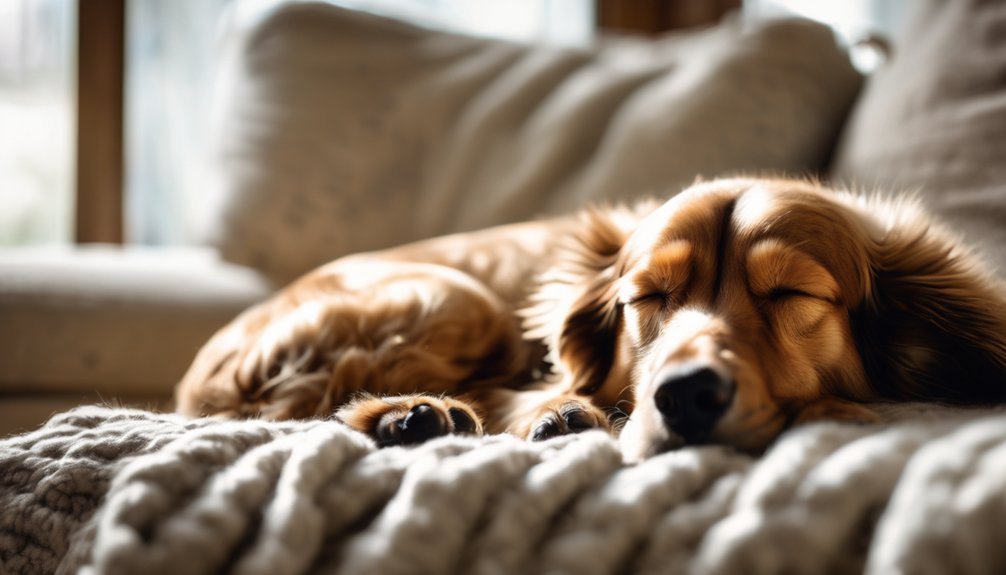
Your dog’s brain can seem like a tiny movie studio at night. During REM sleep, you may see twitching, paw movements, or soft noises as the brain replays daily experiences and helps process memory, learning, and emotion. Most dreaming is normal and supports healthy recovery, but some movements can look unsettling. Understanding what’s typical—and what isn’t—can help you know when to watch, and when to call your vet.
Key Takeaways
- Dogs dream during REM sleep, when the brain is active while the body stays still.
- Dreaming helps dogs process memories, emotions, and learned skills from daily life.
- Common dream signs include paw twitching, whimpering, tail flicks, and irregular breathing.
- Their dreams likely replay familiar activities like walks, play, meals, and chasing.
- Seek veterinary advice if movements are intense, prolonged, or happen while the dog is awake.
What Happens During REM Sleep?
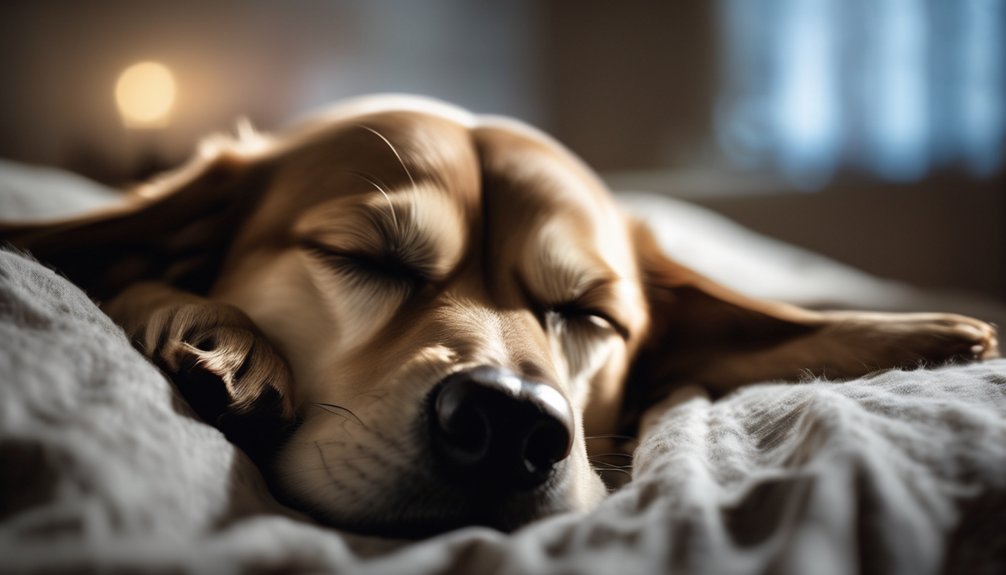
During REM sleep, your dog’s brain becomes highly active even though the body remains mostly still. You’ll notice this stage in repeated REM cycles, which usually follow deeper sleep stages.
Brain activity rises, breathing may become irregular, and the eyes can move beneath the lids. Small twitches in the paws, whiskers, or ears can happen as the nervous system shifts into this lighter, vivid phase.
You don’t need to wake your dog unless the movements seem intense or distressing. In healthy dogs, REM sleep supports normal rest and may relate to dream frequency, but the exact pattern varies by age, size, and health.

If your dog’s sleep changes suddenly, your veterinarian can help.
Why Do Dogs Dream?
Dogs likely dream because their brains replay and process information from the day while they sleep, much like people do.
In dog sleep, the brain remains active enough to organize memories, emotions, and learned skills. This helps explain why canine behavior can seem so familiar to waking life, with dreams reflecting play, smells, sounds, and social experiences.
You can think of dreaming as a normal part of healthy neural activity, not a sign of distress. It may also support learning and emotional regulation, especially after busy or stressful days.
When your dog rests deeply, these internal processes help the brain recover and adapt. Dreaming is one way your dog’s mind stays balanced, responsive, and well cared for.
Signs Your Dog Is Dreaming?
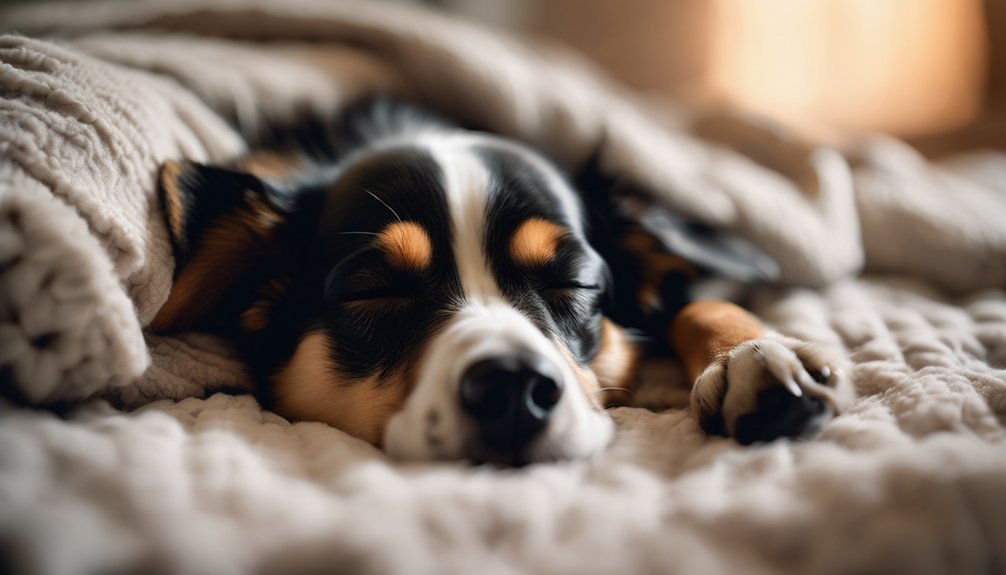
A few clear signs can suggest your dog is dreaming: subtle paw paddling, small twitching movements, soft whimpers, changes in breathing, or rapid eye movement beneath closed lids.
You may notice these dream behaviors during deep sleep cycles, especially in young dogs and smaller breeds.
- Brief leg kicks or tail flicks
- Quiet vocal sounds, like whines or yips
- Irregular breathing that stays calm overall
These signs usually reflect normal brain activity, not distress.
If you watch your dog closely, keep your touch gentle and avoid waking them unless you see signs of pain, stiffness, or unusual seizures.
Most episodes pass quickly, and your presence can feel reassuring while your dog rests.
What Do Dogs Dream About?
What do dogs dream about? You can’t know with certainty, but you can infer themes from dreaming behaviors that mirror daily life. Their canine imagination likely replays familiar, meaningful moments.
| Clue | Possible dream content |
|---|---|
| Paw twitching | Running, chasing, playing |
| Soft whines | Social interaction, excitement |
| Rapid eye movement | Active sensory scenes |
Your dog may mentally revisit walks, meals, toys, or the comfort of your presence. These dreams probably reflect stored memory, emotion, and routine, not random noise. In medical terms, sleep helps the brain process experience, and dreaming may support that function. If your dog seems calm and resting, you’re usually seeing normal sleep activity, not distress. Gentle observation is enough; you don’t need to wake them unless breathing looks abnormal or they appear unsafe.
Do Puppies and Senior Dogs Dream Differently?
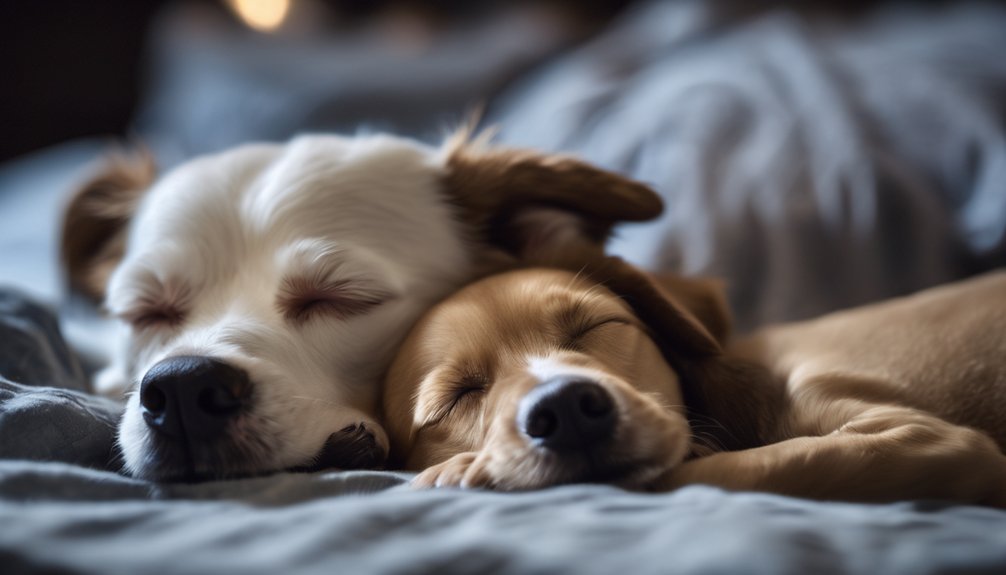
Age can shape how dogs sleep and dream, because the brain changes as it matures.

As dogs age, their brains change, shaping how they sleep and dream.
In puppy sleep, you may notice more twitching and brief bursts of movement, since developing brains spend lots of time in active REM sleep.
In senior sleep, dreams can still happen, but aging may bring lighter rest and shorter cycles.
You’ll often see:
- Puppies jerk, paddle, or whimper more often.
- Older dogs may move less, yet still dream.
- Both need uninterrupted rest to support brain health.
You can comfort your dog by keeping a calm sleep space and steady bedtime.
If you notice major changes in puppy sleep or senior sleep, talk with your veterinarian for guidance.
When Dog Dreaming Is Normal
Dog dreaming is usually normal when it happens during sleep and lasts only a few seconds to a couple of minutes, with signs like twitching, paw paddling, soft barks, or brief eye movement under closed lids. You’ll often notice it during deeper canine sleep stages, especially REM, as part of healthy dog sleep patterns.
| Normal sign | What you may see |
|---|---|
| Twitching | Legs or whiskers jerk |
| Paw paddling | Gentle running motions |
| Soft sounds | Whines or tiny barks |
| Eye movement | Lids stay closed |
| Quick stop | Your dog settles again |
You can watch calmly and let your dog rest. This brief activity usually reflects the brain processing daily experiences, not distress.
When to Call the Vet?
Call your vet if the movements are intense, last longer than a few minutes, or happen when your dog is awake, since that can point to a seizure, pain, or another medical issue.
You know your dog’s sleep patterns best, so watch for health concerns that feel new or worsening. Contact your vet sooner if you notice:
- repeated twitching with stiff limbs
- behavioral changes, like confusion or fear after waking
- signs of sleep disorders, such as loud snoring, choking, or frequent waking
A single brief dream usually isn’t worrisome, but trembling, vocalizing, or sudden agitation outside normal sleep can deserve attention.
Trust your instincts and seek care if something feels off. Early evaluation can ease discomfort and help you protect your dog’s wellbeing.
Frequently Asked Questions
Can Dogs Have Nightmares Like Humans?
Yes, you can see dogs have nightmares, likely from stress, fear, or past trauma; dream signals include twitching, whimpering, and paddling. You shouldn’t wake them abruptly, but gently reassure them if they seem distressed.
Do All Dog Breeds Dream Equally?
No, you don’t see equal dreaming across breeds; size and breed differences can shape dream patterns, like ripples on a pond. You’ll notice some dogs twitch more, but all healthy sleepers likely dream.
Can Dreams Affect a Dog’s Behavior?
Yes, you can notice behavioral changes after your dog’s dreams, especially during sleep stages with vivid dreaming patterns. These emotional responses may briefly carry over, but they’re usually normal unless they become frequent or distressing.
Do Dogs Remember Their Dreams After Waking?
You can’t know if your dog remembers dreams after waking, but dream recall seems limited. You’ll notice dream content fade quickly, yet brief post-waking behaviors may reflect it. Be gentle, reassuring, and observant.
Can Medications Change a Dog’s Dreaming?
Yes—medications can alter your dog’s dreaming, much like changing the lantern in a night watch. You may notice medication effects on sleep cycles, dream intensity, or restlessness; your veterinarian can help you judge what’s safe.
Conclusion
So, when your dog twitches, whimpers, or paws at the air, you’re probably not witnessing a canine prophecy or a tiny furry lawsuit. You’re seeing normal REM sleep doing its very practical job: helping your dog process memories, emotions, and skills. Most dream activity is harmless and even beneficial. If the movements become violent, frequent, or your dog seems distressed, don’t play amateur neurologist—call your vet and get real answers.