
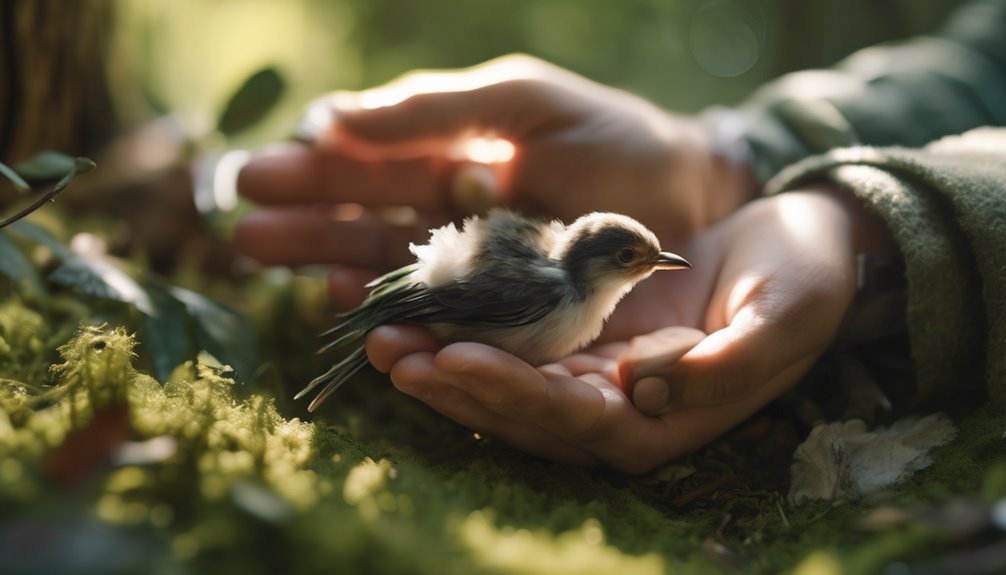
Imagine a fragile bird, its wing caught in a tangle of barbed wire, struggling yet determined to break free. Just like this bird, injured wildlife often needs a gentle touch and careful intervention to recover. You might feel compelled to help, but knowing how to do so safely is crucial. Understanding the right steps can make all the difference in their healing journey and your role in it. What should you do first?
Key Takeaways
- Observe the animal from a distance to assess its condition and stress levels without causing further distress.
- Wear safety gear and approach the animal calmly to minimize fear and risk of injury.
- Use gentle capture techniques, like a blanket, to safely cover and transport the animal.
- Consult local wildlife protection laws and licensed rehabilitators before intervening or transporting the animal.
- Ensure safe transport in a well-ventilated carrier, driving carefully to avoid sudden movements.
Recognizing Signs of Distress in Wildlife
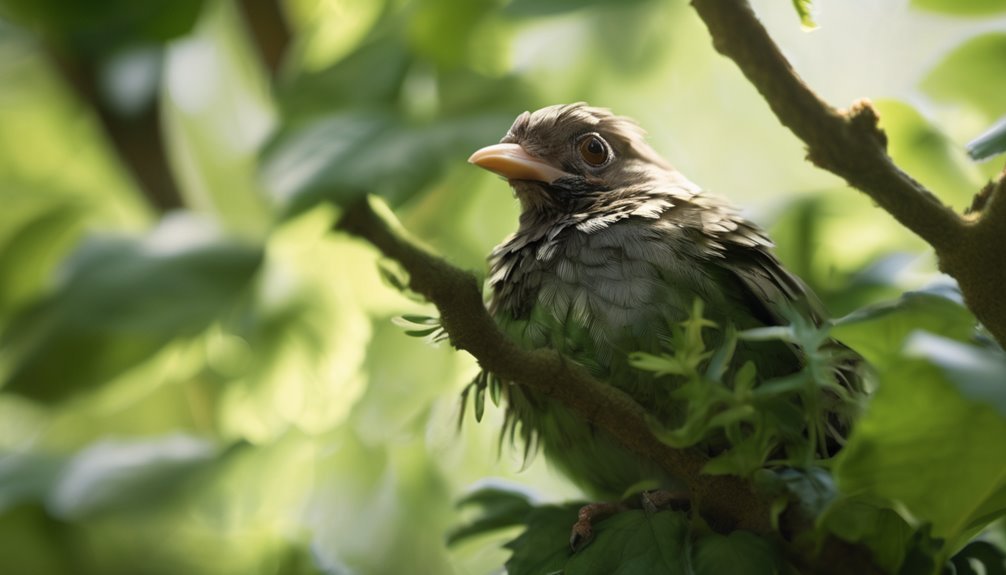
When you encounter wildlife, it’s crucial to recognize the signs of distress that indicate an animal may need help. Observing animal behavior is key; look for stress indicators like excessive vocalizations, erratic movements, or unusual isolation.
A frightened animal might freeze or attempt to escape when approached. You may notice physical signs too, such as limping or bleeding, which often signal injury.
Additionally, watch for changes in eating habits or lethargy, as these can also indicate distress. Understanding these signs not only helps you identify when an animal is struggling but also prepares you to take the necessary steps to assist effectively.

The Importance of Assessing the Situation
Recognizing signs of distress in wildlife is just the first step; assessing the situation is equally important. You need to conduct a thorough situation evaluation before taking action. Consider key environmental factors that may impact the animal’s well-being.
| Environmental Factor | Description |
|---|---|
| Habitat Safety | Is the area safe from predators or hazards? |
| Weather Conditions | Are there extreme temperatures or storms? |
| Nearby Food Sources | Is food available for the injured animal? |
| Human Activity | Are there people nearby causing stress? |
| Accessibility | Can you reach the animal without causing harm? |
Taking these aspects into account helps you make informed decisions, ensuring the best possible outcome for the injured wildlife.
Why Keeping Your Distance Matters

Although it might be tempting to approach injured wildlife out of concern, keeping your distance is crucial for both the animal’s safety and your own. Wildlife behavior can be unpredictable, especially when an animal is hurt and feels threatened. By observing from a safe distance, you allow the creature to acclimate without additional stress.
This not only gives you a better view of its condition but also minimizes the risk of escalating its fear or aggression.
Additionally, maintaining distance helps prevent potential zoonotic diseases, which can be transmitted from animals to humans.
How to Safely Capture Injured Wildlife
If you find an injured animal and feel compelled to help, knowing how to safely capture it is essential. Start by putting on safety gear, such as gloves and a mask, to protect yourself from bites or scratches.
Approaching slowly and calmly can reduce the animal’s stress. Use capture techniques like a blanket or towel to gently cover the animal, minimizing movement and panic. Always handle it with care, supporting its body to avoid further injury.
If possible, use a sturdy box or pet carrier for transportation. Remember, your goal is to provide help, not to cause more harm. Once secured, contact a local wildlife rescue or veterinarian for guidance on the next steps.
Identifying Common Injuries in Injured Wildlife
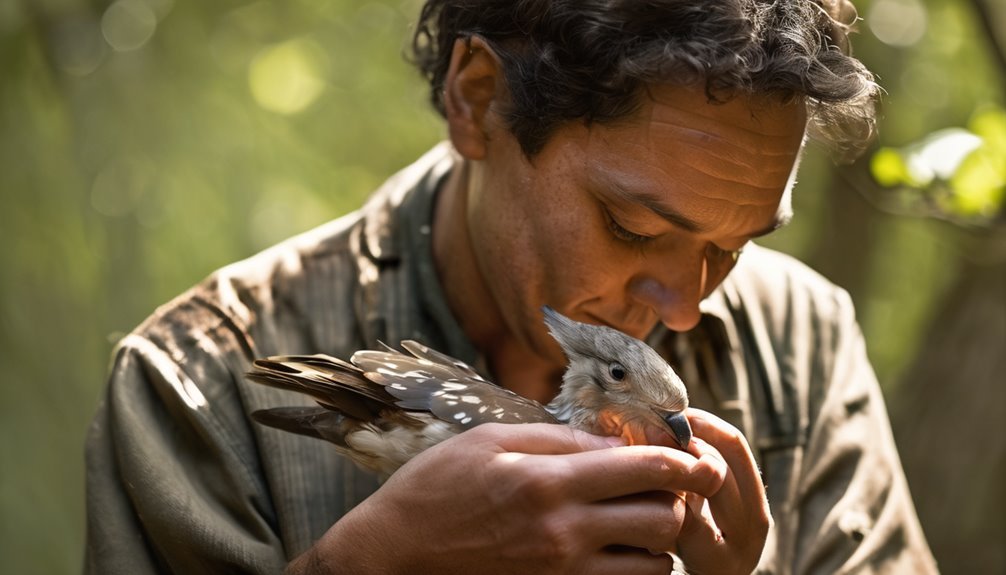
When you encounter an injured animal, understanding how to identify common injuries can make a significant difference in its recovery.
Look for signs like limping, bleeding, or difficulty breathing. Fractures may cause swelling or abnormal positioning of limbs, while wounds can range from minor cuts to deep lacerations.
Look for indicators such as limping, bleeding, or difficulty breathing, as these can signal serious injuries needing immediate attention.
Pay attention to behavioral changes; an animal in shock might seem disoriented or unresponsive. Use injury detection techniques, such as gently observing from a distance, to avoid stressing the animal further.
If you suspect internal injuries, look for signs like labored breathing or a swollen abdomen.
Identifying these common wildlife injuries early helps ensure the animal receives the proper care it needs. Your awareness can truly aid its recovery journey.
Alternative Resources for Injured Wildlife Assistance
While you may feel overwhelmed when encountering an injured animal, knowing where to seek help can make a significant difference. Wildlife sanctuaries are excellent resources, often filled with knowledgeable staff who can provide immediate care or guidance.

Reach out to your local sanctuary for advice or even to report the injured animal. Additionally, consider attending community workshops that focus on wildlife rehabilitation.
These workshops not only educate you on how to handle injured animals safely but also connect you with local experts and fellow wildlife enthusiasts.
Legal Guidelines for Assisting Injured Wildlife
Understanding the legal guidelines for assisting injured wildlife is crucial, as it not only protects you but also ensures the animal receives the best care possible.
Familiarize yourself with local wildlife protection laws; these regulations often dictate how and when you can intervene. Always prioritize contacting a licensed wildlife rehabilitator who can provide specific guidance.
Familiarize yourself with local wildlife laws and always consult a licensed rehabilitator for guidance on intervention.
If you find yourself in an emergency, follow established emergency response protocols to ensure the animal’s safety and your own.
Remember, handling wildlife without proper training can lead to legal repercussions and harm to the animal.
Transport Tips for Injured Wildlife
Transporting injured wildlife requires careful attention to ensure both the animal’s safety and your own.
Start by using appropriate transport methods, such as a sturdy wildlife carrier. Ensure it’s well-ventilated and lined with soft material to minimize stress. If possible, cover the carrier with a light cloth to create a calm environment.
Always handle the animal gently; wear gloves to protect yourself and avoid direct contact, as injuries can be unpredictable. Secure the carrier in your vehicle, ensuring it won’t shift during transit.
Keep the temperature comfortable—avoid direct sunlight or cold drafts. Finally, drive carefully to your destination, as sudden stops or sharp turns can further harm the injured wildlife.
Your thoughtful approach makes a significant difference.
Preventing Future Injuries to Wildlife
To prevent future injuries to wildlife, you can take proactive steps in your daily life and community.
Start by supporting habitat preservation initiatives, which maintain the natural environments that wildlife depend on. You can also advocate for the creation of wildlife corridors, ensuring safe passage for animals across roads and urban areas.
Simple actions like planting native vegetation in your yard can provide essential shelter and food sources. Educate your neighbors about the importance of reducing litter and using wildlife-friendly practices, like avoiding pesticides.
Contacting Local Wildlife Rehabilitation Services
When you encounter injured wildlife, reaching out to local wildlife rehabilitation services is crucial for their recovery. These professionals specialize in wildlife rescue, ensuring that injured animals receive the care they need.
Start by researching your area’s available services; many organizations have dedicated emergency contacts for urgent situations. When you call, provide as much detail as possible about the animal’s condition and location. This information helps them respond quickly and effectively.
Conclusion
So, while you might think swooping in to rescue injured wildlife makes you a hero, remember that sometimes, the best action is to step back. By observing and seeking expert help, you’re actually doing more good than charging in with a cape. Ironically, your patience makes you the true guardian of the wild. So, let the pros handle the heavy lifting, and you can take pride in being the smart, caring bystander.