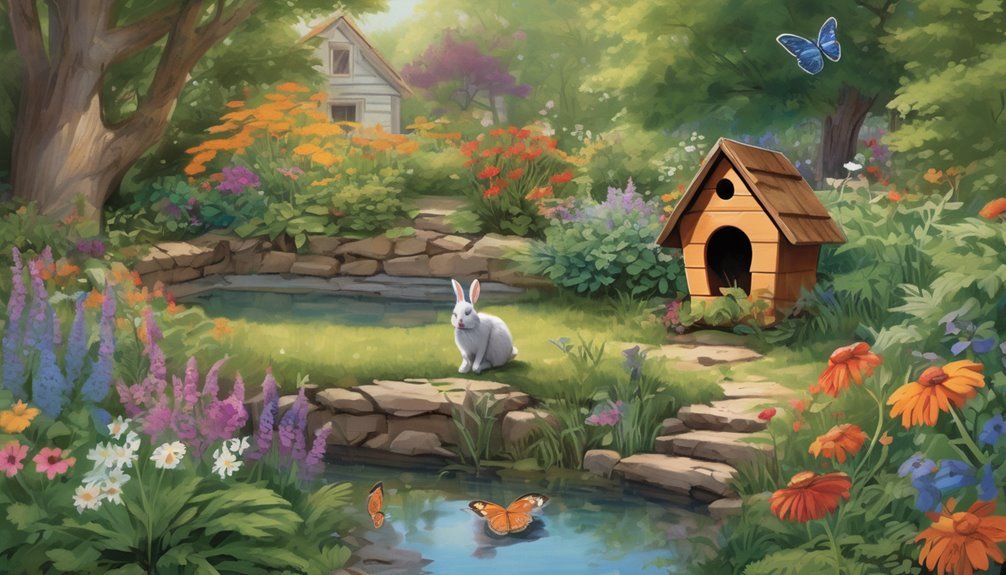
Creating a wildlife-friendly backyard isn’t just about aesthetics; it’s about fostering a thriving ecosystem right at your doorstep. By incorporating native plants and diverse water sources, you’ll attract a variety of local species while enriching your outdoor space. Plus, simple steps like setting up feeding stations and nesting areas can make a significant impact. Curious about the best practices to get started? Let’s explore the essential elements of transforming your yard into a haven for wildlife.
Key Takeaways
- Choose native plants to support local wildlife, attract pollinators, and reduce maintenance needs.
- Create diverse water sources like bird baths and small ponds to sustain wildlife habitats.
- Set up feeding stations with various seeds to attract different bird species throughout the year.
- Design shelter with nesting boxes and natural cover to provide safe spaces for birds and small mammals.
- Incorporate logs, rocks, and brush piles to enhance habitats for insects and other small creatures.
Why a Wildlife-Friendly Backyard Matters
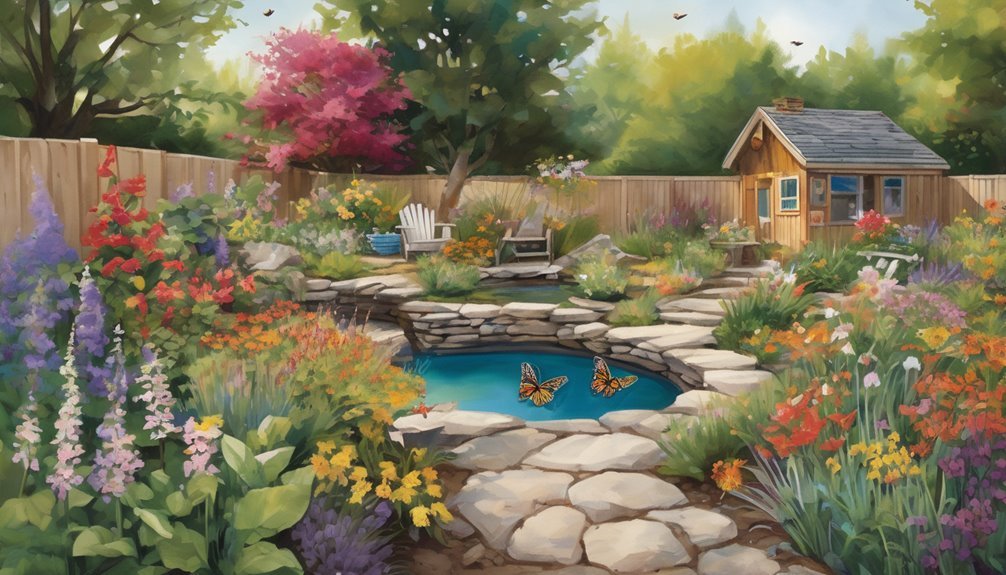
Creating a wildlife-friendly backyard doesn’t just benefit local critters; it enriches your life, too. By addressing habitat loss, you play a crucial role in preserving local ecosystems.
Enhancing biodiversity benefits everyone, creating a healthier ecological balance. A wildlife-friendly space fosters community engagement, as neighbors admire your efforts and may join in.

Enhancing biodiversity creates a healthier ecological balance and inspires community engagement as neighbors admire and join your efforts.
You also open up educational opportunities for yourself and your family, learning about the diverse species that visit your yard. Providing pollinator support through flowers and nesting sites encourages these vital insects, while establishing habitat corridors can help animals thrive.
Ultimately, your backyard becomes a sanctuary, connecting people and wildlife in meaningful ways. So, why wait? Start making a difference today!
Choosing Native Plants for Your Space
When you choose native plants for your backyard, you’re not just beautifying your space; you’re also providing essential resources for local wildlife. Native plants support pollinator gardens, attracting bees, butterflies, and other beneficial insects. These plants are adapted to your region’s climate and soil, making them easier to care for while promoting biodiversity.
Here’s a quick reference table to help you select the right native plants:
| Plant Type | Benefits | Local Fauna Attracted |
|---|---|---|
| Coneflower | Attracts pollinators | Bees, butterflies |
| Black-eyed Susan | Provides seeds for birds | Songbirds |
| Milkweed | Essential for monarchs | Monarch butterflies |
| Aster | Late-season nectar source | Various pollinators |
| Goldenrod | Supports diverse insects | Honeybees |
How to Create Water Sources for Wildlife
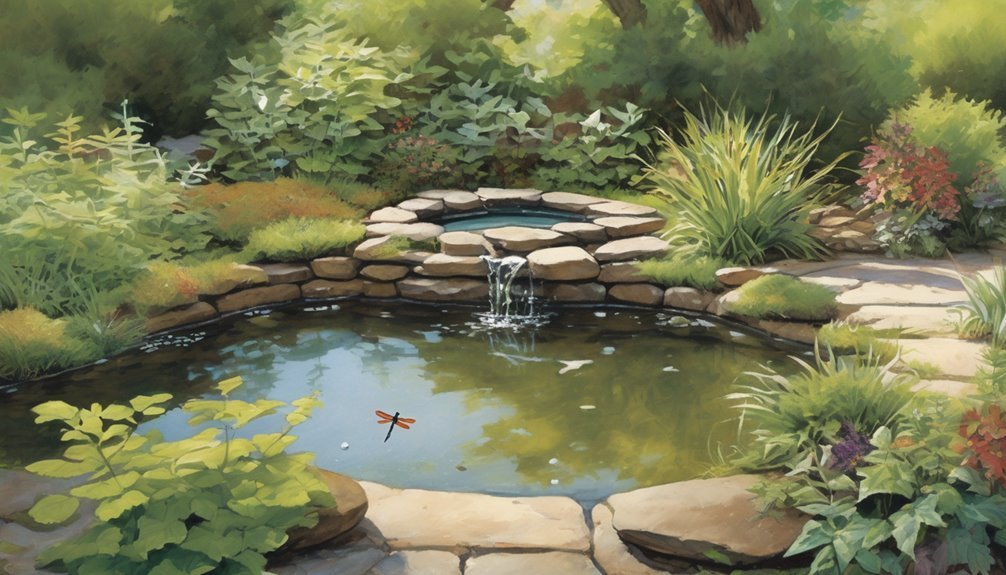
A diverse range of native plants can attract various wildlife, but providing water sources is just as important for creating a thriving backyard habitat.
Start by adding bird baths; they’re simple to install and can attract a variety of birds. Make sure to change the water regularly to keep it fresh and inviting.
For a more dramatic effect, consider pond installation. A small pond not only provides drinking water but also creates a habitat for frogs, insects, and other wildlife.
You can enhance your pond with native plants around the edges, which will offer shelter and food.
How to Provide Food for Wildlife
Providing food for wildlife is essential for attracting and sustaining various species in your backyard. Start by setting up feeding stations filled with a variety of seed types.
Sunflower seeds are popular among birds, while nyjer seeds attract finches. You can also offer suet to provide high-energy food for woodpeckers and other birds during colder months.

Consider incorporating native plants that produce seeds and berries, creating a natural buffet. To keep your feeding stations safe and inviting, clean them regularly to prevent the spread of disease.
By providing diverse food options, you’ll not only support local wildlife but also enjoy watching them flourish in your outdoor space.
Make your backyard a haven for nature—every little effort counts!
Designing Shelter and Nesting Areas for Local Species
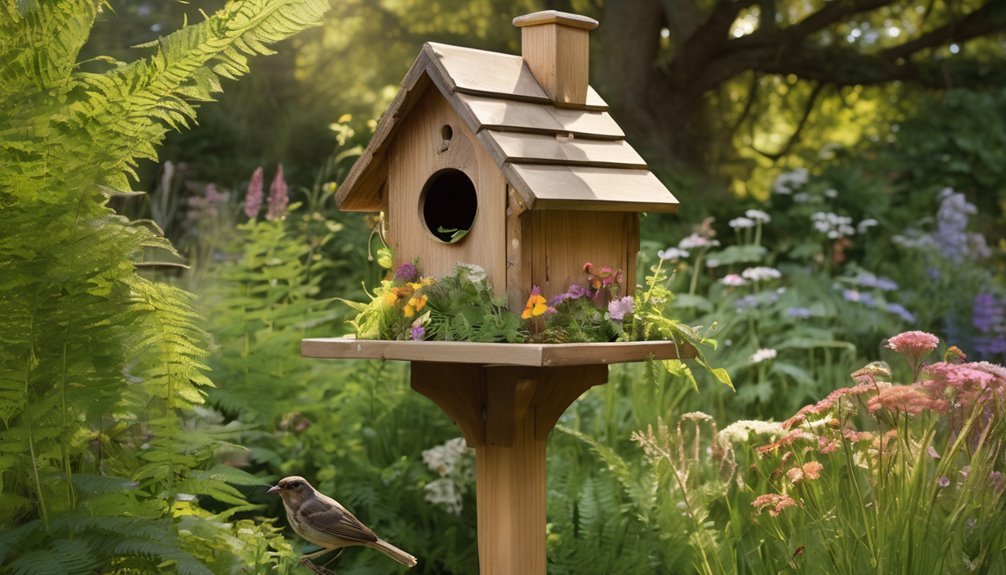
Creating shelter and nesting areas for local species not only enhances your backyard’s appeal but also supports biodiversity.
Start by installing nesting boxes tailored to the birds and small mammals in your area. Choose materials like untreated wood or natural fibers to ensure safety and comfort. Place these boxes in sheltered spots, away from predators and harsh weather.
For additional shelter, use brush piles or native shrubs, which provide cover and nesting opportunities. Incorporating logs or rocks can also create habitats for insects and small creatures.
How to Reduce Chemicals and Use Organic Practices
Maintaining a wildlife-friendly backyard goes hand in hand with reducing chemicals and embracing organic practices.
Start by swapping out conventional pesticides for chemical alternatives like neem oil or diatomaceous earth; these options are safer for both wildlife and your garden. Instead of synthetic fertilizers, use organic fertilizers such as compost or well-rotted manure to enrich your soil naturally.
Not only do these practices promote a healthier ecosystem, but they also lead to more resilient plants. Encourage biodiversity by planting native species that thrive without heavy chemical use.
Maintaining Your Wildlife-Friendly Backyard
While your backyard thrives as a haven for wildlife, it’s essential to keep up with regular maintenance to ensure it remains a safe and inviting space.
Here are three key tasks to help you maintain your wildlife-friendly sanctuary:
- Wildlife Monitoring: Regularly observe the animals visiting your yard. This helps you understand their needs and adapt your space accordingly.
- Seasonal Maintenance: Adjust your garden for seasonal changes—prune plants, clean water sources, and ensure shelter options are safe and accessible.
- Invasive Species Control: Watch out for invasive plants and pests that can threaten local wildlife. Remove them promptly to protect your ecosystem.
Conclusion
By creating a wildlife-friendly backyard, you’re not just planting seeds; you’re sowing a vibrant ecosystem that benefits both nature and your community. With native plants, diverse water sources, and safe nesting areas, you’ll attract all kinds of local wildlife. Plus, using organic practices means you’re nurturing the environment while enjoying the beauty around you. So, roll up your sleeves and get started—it’s a win-win for you and the critters that call your backyard home!