
Grain-free dog food is often touted as the ultimate solution for every canine issue under the sun. While it may offer benefits for dogs with grain sensitivities and improve digestive health, it’s not without its drawbacks. Nutritional deficiencies and potential health risks lurk beneath the surface. Before you make any changes to your dog’s diet, it’s crucial to weigh the pros and cons carefully, as the right choice can significantly impact their well-being.
Key Takeaways
- Pros: Grain-free diets may alleviate digestive issues and skin irritations in dogs with grain sensitivities or allergies.
- Pros: They often contain high-quality proteins and novel ingredients, which can help manage allergies.
- Cons: Lack of whole grains may lead to nutritional deficiencies and imbalanced diets.
- Cons: Studies have linked grain-free diets to an increased risk of cardiomyopathy in dogs.
- Consultation: Always consult a veterinarian before switching to ensure the diet meets your dog’s nutritional needs.
What Is Grain-Free Dog Food and Why Is It Popular?
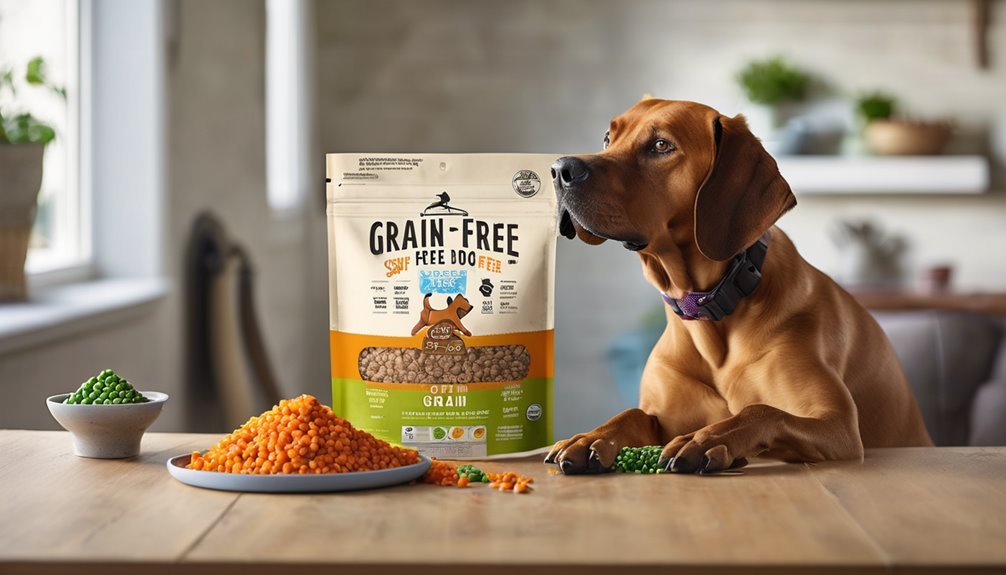
Grain-free dog food has surged in popularity among pet owners, often touted as a healthier alternative to traditional kibble. By focusing on grain-free ingredients, many brands claim to cater to dogs with sensitivities or allergies. These formulations usually include high-quality proteins and vegetables, which some believe can enhance canine digestion.
However, the appeal goes beyond just health; many owners perceive grain-free options as more natural or closer to a dog’s ancestral diet.
That said, it’s essential to remember that not all dogs require a grain-free diet. Some experts argue that grains can provide valuable nutrients and fiber. Understanding your dog’s specific needs is crucial, as what’s popular mightn’t always be the best choice for every canine companion.

Who Should Consider a Grain-Free Diet?
While not every dog needs a grain-free diet, certain factors might make it a beneficial choice for some pets.
If your dog shows signs of grain sensitivity or dietary allergies, switching to a grain-free option could alleviate discomfort. Symptoms like itching, digestive issues, or skin irritations might indicate that grains in their food are causing problems.
Additionally, certain breeds are more prone to these sensitivities, so if you have one of those breeds, it’s worth considering.
Certain dog breeds are more susceptible to grain sensitivities, making a grain-free diet worth considering for them.
Always consult your veterinarian before making any dietary changes, as they can help identify specific allergies and recommend suitable alternatives.
A tailored approach ensures your dog’s nutritional needs are met while avoiding potential allergens.
Potential Benefits of Grain-Free Diets for Dogs
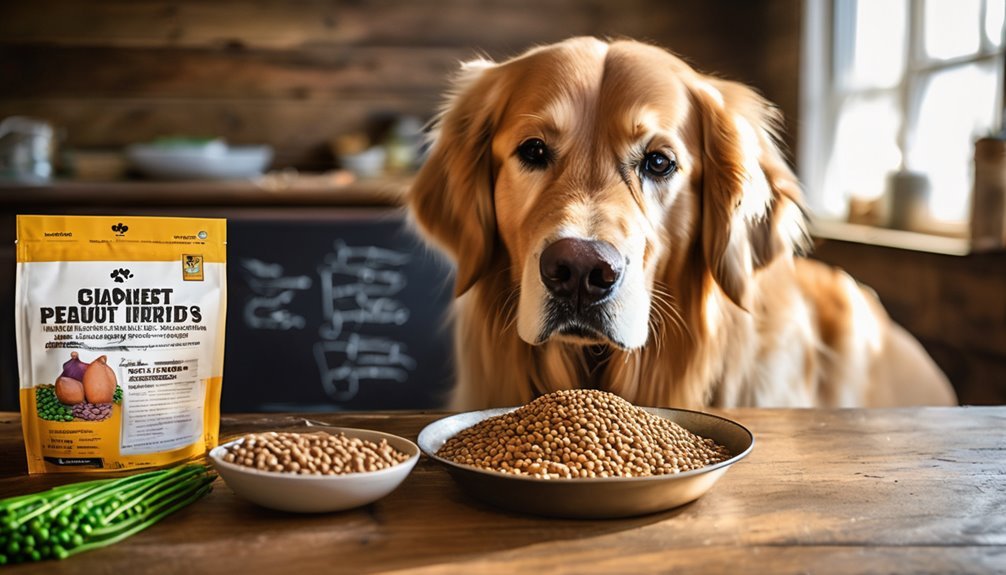
If your dog is experiencing digestive issues or skin irritations, a grain-free diet might offer several benefits worth considering.
Many pet owners find that removing grains helps improve their dog’s digestive health, particularly if they’re sensitive to gluten or certain carbohydrates. This change can lead to fewer gastrointestinal problems, such as bloating or diarrhea.
Additionally, grain-free options often contain alternative protein sources, which can aid in allergy management. By providing novel ingredients, you may reduce the risk of allergic reactions, especially if your dog has a history of food sensitivities.
However, it’s essential to monitor your dog’s overall health and consult a veterinarian to ensure that this dietary shift meets their nutritional needs effectively.
Key Health Risks of Grain-Free Dog Food
When considering a grain-free diet for your dog, it’s crucial to be aware of potential health risks that may arise.
While some dogs thrive on these diets, others may face significant issues, including:

- Nutritional deficiencies: Grain-free foods often lack essential vitamins and minerals found in whole grains.
- Cardiomyopathy concerns: Recent studies link grain-free diets, particularly those high in peas and lentils, to an increased risk of dilated cardiomyopathy in certain breeds.
- Weight management issues: Without the right balance of nutrients, dogs may struggle to maintain a healthy weight.
It’s essential to consult your veterinarian before making dietary changes, ensuring your dog receives a balanced, nutritious diet tailored to their specific needs.
What to Look for in Grain-Free Dog Food
Choosing the right grain-free dog food requires careful consideration of several key factors to ensure your dog’s health and well-being.
First, evaluate the protein sources; high-quality proteins should come from real meat, fish, or poultry, as these provide essential amino acids for your dog’s growth and energy.
Next, focus on ingredient quality. Look for whole, recognizable ingredients rather than fillers or artificial additives. This ensures your dog receives the necessary nutrients without unnecessary calories.
Additionally, consider the balance of fats and carbohydrates; healthy fats support skin and coat health, while carbohydrates should come from fruits and vegetables for fiber.
Signs Your Dog Thrives on Grain-Free Dog Food
Observing your dog’s overall health and behavior can reveal whether they’re thriving on grain-free dog food. Pay attention to these signs:
- Improved coat condition, showing shine and reduced shedding
- Increased energy levels, indicating better overall vitality
- Fewer digestive issues, suggesting a suitable fit for their dietary preferences
If your dog has specific canine allergies, you might notice a significant reduction in symptoms after switching to a grain-free diet.
They may seem more comfortable and less prone to skin irritations or gastrointestinal distress.
Keep in mind that each dog is unique, so monitoring their response is key. If these signs align with your observations, it’s a good indication that grain-free food suits their needs.
Nutritional Alternatives to Grain-Free Diets
While grain-free diets have gained popularity, various nutritional alternatives can meet your dog’s dietary needs without eliminating grains entirely.
Whole grains like brown rice, barley, and oats provide essential nutrient sources, including fiber, vitamins, and minerals. These grains can aid digestion and help maintain healthy weight.
Additionally, incorporating alternative proteins, such as chicken, fish, or lamb, ensures your dog gets the necessary amino acids for muscle development and overall health.
It’s essential to balance these ingredients to create a complete diet, promoting optimal health without the potential risks associated with grain-free options.
How to Safely Transition Your Dog to a Grain-Free Diet?
Transitioning your dog to a grain-free diet can be a rewarding journey, but doing it safely requires careful planning. Here are some transition tips to consider:
- Gradual Introduction: Slowly mix the new grain-free food with your dog’s current diet over a week or two.
- Monitor Health: Keep an eye on your dog’s energy levels, stool consistency, and overall health during the transition.
- Consult Your Vet: Always discuss dietary adjustments with your veterinarian to ensure the new diet meets your dog’s nutritional needs.
Conclusion
In the quest for the perfect diet, you might find yourself drawn to grain-free options, believing they’re the holy grail of canine nutrition. Ironically, while seeking to eliminate potential allergens, you could inadvertently introduce new health risks. It’s essential to weigh these pros and cons carefully. Consulting your vet ensures your dog’s diet truly meets their needs, rather than merely following trends. After all, what’s trendy isn’t always what’s best for your furry friend.