

Adopting a pet is more than just bringing home a new friend; it’s a lifelong commitment that requires careful thought and planning. You need to consider your daily routine, family dynamics, and the specific needs of the animal you’re interested in. It’s essential to understand the responsibilities involved, from costs to time commitments. Are you truly ready for this journey? Let’s explore what it takes to ensure a smooth transition for both you and your future companion.
Key Takeaways
- Assess your family’s emotional readiness and commitment to caring for a pet for its entire life.
- Consider the daily exercise needs of different pets to match your lifestyle.
- Budget for initial adoption costs, ongoing expenses, and potential emergency medical care.
- Establish a daily routine for feeding, grooming, and playtime to promote stability.
- Prepare your home by pet-proofing and creating a safe, welcoming space for the new pet.
Why Pet Adoption Is a Lifelong Commitment

When you decide to adopt a pet, you’re not just bringing home a furry friend; you’re making a promise to care for them for their entire life. This commitment requires emotional readiness, as pets depend on you for love, health, and safety.
Adopting a pet means committing to a lifelong promise of love, care, and safety for your new furry family member.
Think about how your family dynamics will change with a new member; everyone needs to be on board. Pets thrive in stable environments, and a consistent routine helps them feel secure.
You’ll face challenges, but the rewards—unconditional love and companionship—are worth it. Remember, adopting a pet is a long-term commitment, so ensure you’re ready to invest time and resources.

Your furry friend deserves a home filled with love and stability for years to come.
Choosing the Right Pet for Your Lifestyle
Choosing the right pet for your lifestyle can significantly impact both your happiness and that of your new companion. To make the best choice, consider your daily routine, exercise needs, and the personality traits of potential pets.
Here’s a quick comparison to help you decide:
| Pet Type | Exercise Needs |
|---|---|
| Dog | High; daily walks |
| Cat | Moderate; playtime |
| Rabbit | Low; some roaming |
| Fish | Minimal; tank upkeep |
| Bird | Moderate; mental play |
Think about how much time you can dedicate to exercise and interaction. A pet that matches your lifestyle will thrive, leading to a fulfilling relationship for both of you.
Cost Factors in Pet Adoption

Adopting a pet often comes with various costs that go beyond the initial adoption fee. You’ll face initial expenses like vaccinations and spaying or neutering.
Ongoing costs, such as food supplies and routine veterinary care, can add up quickly. It’s wise to consider pet insurance to help manage unexpected medical bills.
Don’t forget about training expenses; investing in obedience classes can foster a well-behaved companion.
Additionally, grooming needs vary by breed and can become a regular expense.
Setting aside emergency funds is crucial, as pets can face health issues at any time.
Daily and Weekly Time Commitments for Pet Care
Caring for a pet requires a daily and weekly time commitment that can significantly impact your routine. Each day, you’ll need to allocate time for feeding, walking, grooming, and playing. Daily routines help create stability for your pet, whether you have a dog that needs regular exercise or a cat that craves interaction.
On a weekly basis, consider scheduling vet visits, training sessions, or playdates, which can enhance your pet’s well-being.
It’s essential to assess your time flexibility; some pets demand more attention than others. By understanding your available time and adjusting your schedule accordingly, you’ll ensure a happy, healthy life for your new companion.
Preparing Your Home for a New Pet
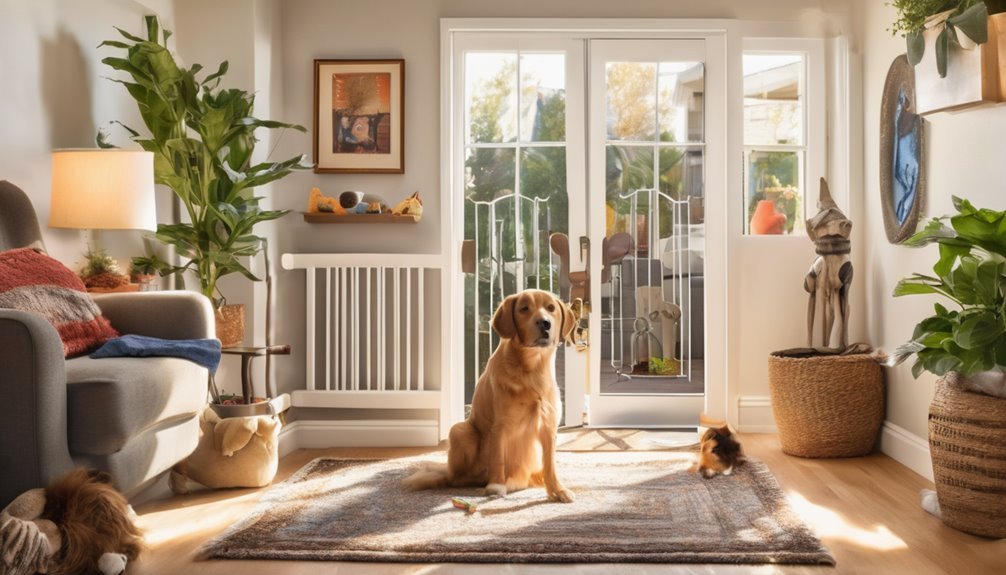
Preparing your home for a new pet involves several key steps that ensure a safe and welcoming environment.

Start by gathering pet proofing essentials, like securing electrical cords, removing toxic plants, and storing hazardous chemicals out of reach.
Create a safe space for your pet where they can feel comfortable and relaxed. This can be a cozy bed or a quiet corner free from distractions.
Ensure there are no small items lying around that could be swallowed. If you have other pets, consider their needs and introduce them gradually.
Finally, stock up on food, toys, and grooming supplies.
With these preparations, you’ll set the stage for a happy transition into your home.
What to Expect During the Adjustment Period?
As your new pet settles in, you can expect an adjustment period filled with a mix of excitement and challenges. During this time, it’s normal to encounter adjustment challenges as your pet acclimates to their new environment.
Providing emotional support is crucial; be patient and understanding as they navigate this transition. Use positive training techniques to establish routines and reinforce good behavior, helping to set clear behavioral expectations.
Emotional support is essential; patience and positive training will help your pet adjust and thrive in their new home.
Don’t forget about socialization needs; gradual introductions to new people and pets will foster confidence.
Keep these transition tips in mind: create a safe space, maintain consistency, and encourage exploration.
With your support, your pet will thrive and become a cherished member of your family.
Common Adjustment Issues and Solutions
Adjusting to a new home can lead to various common issues for pets, and recognizing these challenges early on can make a big difference. You might notice behavioral challenges such as anxiety or aggression. Implementing effective socialization techniques can ease these transitions and help your pet feel more secure.
Here’s a quick reference table to help you:
| Issue | Solution |
|---|---|
| Anxiety during alone time | Start with short absences, gradually increase duration |
| Aggression towards strangers | Use positive reinforcement for calm behavior |
| Excessive barking | Identify triggers and redirect focus with toys or commands |
Finding a Reputable Adoption Center or Shelter
How can you find a reputable adoption center or shelter that aligns with your values and meets your needs? Start by researching local organizations online.
Look for reviews and testimonials that highlight their commitment to animal welfare. Reputable centers often provide shelter resources, like behavioral assessments and health check-ups, ensuring you adopt a pet that fits your lifestyle.
Seek out reviews that emphasize a center’s dedication to animal welfare, ensuring they offer vital resources like behavioral assessments and health check-ups.
Visit the facility if you can; observe how staff interact with animals and the cleanliness of the environment. Ask about their adoption benefits, such as spaying/neutering, vaccinations, and training programs.
Connecting with a shelter that prioritizes these aspects not only supports your new pet but also enhances your overall adoption experience. Remember, you’re making a lifelong commitment!
Conclusion
Adopting a pet is like planting a seed; it requires nurturing, patience, and commitment to flourish. As you embark on this journey, remember that your love and dedication will help your new companion grow into a loyal friend. Embrace the challenges, celebrate the joys, and watch your bond deepen over time. With careful preparation and understanding, you’ll create a beautiful life together, transforming your house into a true home filled with warmth and companionship.