
When it comes to your dog’s outdoor adventures, ensuring their safety from ticks is a top priority. These tiny pests can pose significant health risks, so it’s crucial to implement effective prevention strategies. By understanding tick habitats and using appropriate treatments, you can protect your furry friend. However, the best defenses often require a multi-faceted approach. Discovering how to create a tick-free environment could be the key to keeping your dog healthy and happy.
Key Takeaways
- Consult your veterinarian to select appropriate tick prevention treatments tailored to your dog’s lifestyle and health profile.
- Apply topical treatments regularly, following the manufacturer’s instructions for dosage and frequency.
- Maintain a clean yard by mowing grass short and removing debris to reduce tick habitats.
- Regularly groom your dog, focusing on areas where ticks hide to facilitate early detection.
- Create a tick-free environment by planting tick-resistant plants and keeping play areas dry and sunny.
Understanding the Dangers of Ticks for Dogs
Ticks pose significant health risks for dogs, and understanding these dangers is crucial for every pet owner.
Tick-borne diseases, such as Lyme disease and Ehrlichiosis, can lead to severe health complications if left untreated. Symptoms awareness is vital; watch for signs like fever, lethargy, joint pain, and reduced appetite. Early detection can significantly improve treatment outcomes.

Regular veterinary check-ups and preventive measures, like tick prevention medications, are essential in safeguarding your dog. Be proactive in inspecting your dog’s coat after outdoor activities, especially in wooded or grassy areas.
Recognizing Tick Habitats and High-Risk Areas
When exploring outdoor areas with your dog, it’s essential to recognize habitats that are conducive to tick populations. Certain environments are particularly tick-friendly, especially during peak seasons. By understanding seasonal tick patterns, you can better protect your pet.
| Habitat Type | Tick Activity Level | Seasonal Peak |
|---|---|---|
| Tall grass | High | Spring to Summer |
| Wooded areas | Moderate to High | Late Spring to Fall |
| Brushy landscapes | High | Spring to Summer |
| Urban gardens | Low to Moderate | Year-round |
Stay vigilant in these areas, as ticks thrive where humidity is high and vegetation is dense. Regularly check your dog for ticks after visits to these habitats.
How to Choose and Use Tick Prevention Treatments Effectively
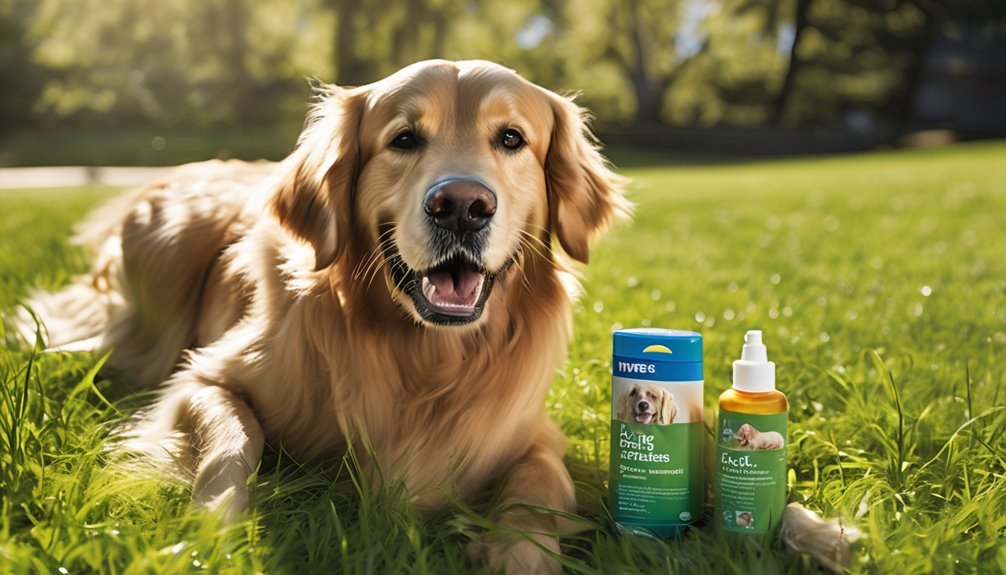
Choosing the right tick prevention treatment can significantly reduce the risk of tick-borne diseases for your dog. Start by consulting your veterinarian to determine the most suitable tick prevention products based on your dog’s age, weight, and health status.
Consult your veterinarian to choose the best tick prevention treatment tailored to your dog’s specific needs.
Common options include topical treatments, which are applied directly to your dog’s skin and provide long-lasting protection. Ensure you follow the manufacturer’s instructions for application frequency and dosage to maximize effectiveness.
Additionally, consider your dog’s lifestyle; if they frequent tick-infested areas, more robust measures may be necessary. Regularly monitor your dog for any adverse reactions to the treatments and consult your vet if you have concerns.
Consistent use of appropriate tick prevention products is crucial for your dog’s health and well-being.
How Regular Grooming Helps Detect Ticks
Regular grooming not only keeps your dog’s coat healthy but also plays a vital role in tick detection. By regularly brushing and inspecting your dog’s fur, you can identify ticks before they become a serious issue.

The grooming benefits extend beyond aesthetics; it allows you to check for any unusual lumps or skin irritations that might indicate tick presence. During grooming, focus on areas where ticks commonly hide, such as behind the ears, under the legs, and around the tail.
This proactive approach not only enhances your dog’s hygiene but also helps you catch ticks early, reducing the risk of tick-borne diseases. Implementing a consistent grooming routine is essential for effective tick detection and overall canine health.
Creating a Tick-Free Environment for Your Dog

Creating a tick-free environment for your dog is essential in reducing the risk of tick-borne diseases.
Start by maintaining your yard regularly; mow the grass short and clear debris, such as leaves and brush, where ticks thrive. Consider planting tick-resistant plants like lavender or rosemary, which can deter ticks naturally.
Regular yard maintenance and planting tick-resistant plants like lavender can help create a tick-free environment for your dog.
Keep your dog’s play areas dry and sunny, as ticks prefer humid, shaded environments. Restrict your dog’s access to tall grasses and wooded areas, especially during peak tick season.
Regularly inspect your yard for signs of wildlife, as animals can bring ticks into your space.
What to Do When You Find a Tick on Your Dog?
Discovering a tick on your dog can be alarming, but acting quickly and correctly is crucial. First, gather your supplies: fine-tipped tweezers, gloves, and a small container.
Using tick removal techniques, grasp the tick as close to your dog’s skin as possible and pull upward steadily without twisting. This minimizes the risk of leaving mouthparts embedded. Once removed, clean the bite area with antiseptic and dispose of the tick safely.
For post tick care, monitor the site for signs of infection or unusual behavior in your dog over the next few days. If you notice any redness, swelling, or lethargy, contact your veterinarian promptly.
Staying vigilant helps ensure your dog remains healthy after a tick encounter.
Conclusion
In the battle against ticks, “an ounce of prevention is worth a pound of cure.” By implementing regular grooming, choosing effective treatments, and maintaining a tick-free environment, you significantly reduce the risks for your dog. Stay vigilant, especially in high-risk areas, and conduct routine inspections. If you find a tick, act swiftly to remove it. With these strategies in place, you can keep your dog safe and healthy, ensuring plenty of happy outdoor adventures together.