

Choosing the right cat food is crucial for your pet’s health and well-being. You need to consider factors like age, lifestyle, and any specific health concerns. High-quality protein should be your primary focus, but there are also important distinctions between grain-free and grain-inclusive options. Understanding these elements will guide you in making an informed decision, but knowing where to start can feel overwhelming. Let’s break it down step by step.
Key Takeaways
- Tailor your cat’s diet to their life stage, ensuring appropriate protein and calorie levels for kittens, adults, and seniors.
- Choose high-quality protein sources as the primary ingredient and avoid excessive fillers and preservatives.
- Decide between grain-free or grain-inclusive options based on your cat’s health needs and digestive preferences.
- Transition to new food gradually, monitoring for allergies or digestive issues, and maintain consistent feeding times.
- Research brand reputation, customer reviews, and quality certifications to ensure safety and reliability in cat food choices.
Choosing the Right Cat Food: A Step-by-Step Guide
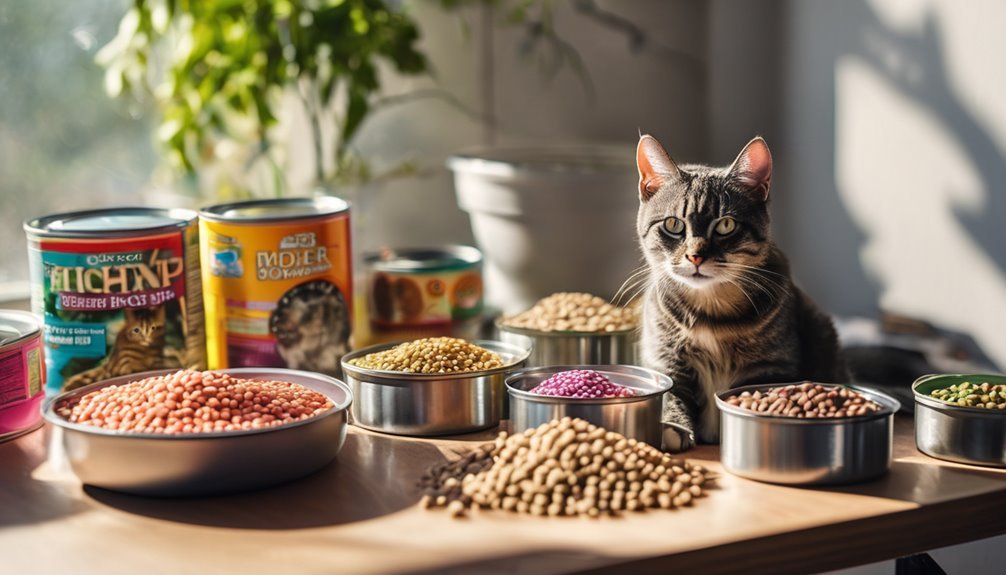
When choosing the right cat food, it’s essential to consider your cat’s specific needs, as their health and well-being depend on a balanced diet.
Start by identifying any feline allergies your cat may have; this can significantly influence your choice of cat food brands. Look for products that list high-quality ingredients and avoid common allergens like grains or certain proteins.
Identifying feline allergies is crucial; choose high-quality cat food that avoids common allergens for your cat’s well-being.
Research reputable cat food brands that cater to special dietary requirements. Always consult your veterinarian for recommendations tailored to your cat’s unique health concerns.
Additionally, monitor your cat’s reaction to new food; any signs of allergies, such as itching or digestive issues, should prompt a reconsideration of your choice.

Prioritizing your cat’s health is key to a happy life.
Understanding Your Cat’s Nutritional Needs
Understanding your cat’s nutritional needs is crucial for maintaining their health and well-being. Different feline life stages require tailored diets to support their growth, energy levels, and overall health. Cats are obligate carnivores, so protein is essential, but their dietary preferences can also vary.
Here’s a quick reference table:
| Life Stage | Nutritional Focus | Common Dietary Preferences |
|---|---|---|
| Kitten | High protein, calories | Soft, flavorful foods |
| Adult | Balanced nutrients | Variety in flavors |
| Senior | Joint health, low calories | Easy-to-chew options |
| Pregnant/Nursing | Increased nutrients | High-calorie diets |
| Overweight | Controlled calories | Weight management formulas |
Aligning your cat’s diet with their life stage and preferences ensures they thrive at every stage of life.
Key Ingredients to Look For in Cat Food
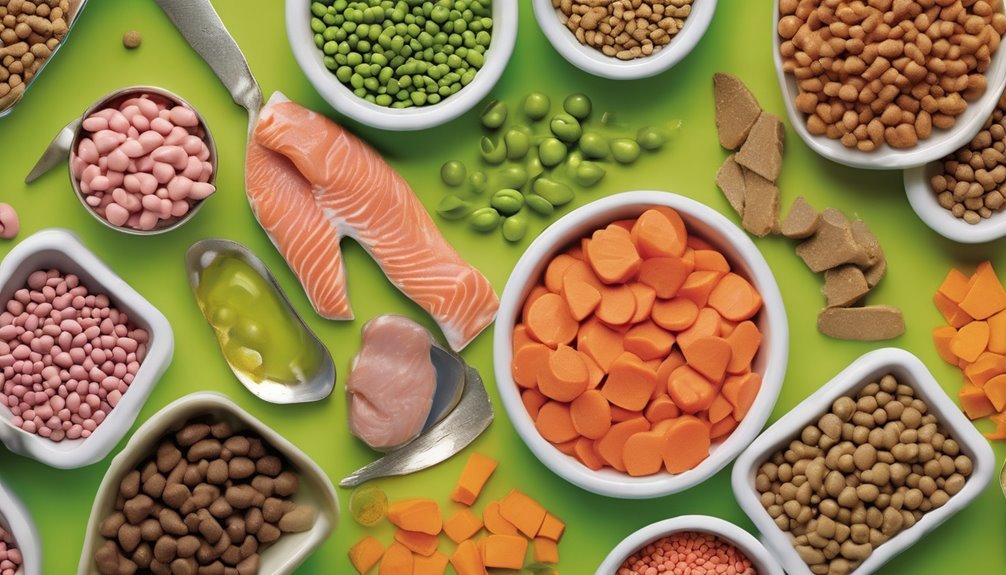
Selecting the right cat food means paying close attention to the ingredients that nourish your feline friend. Look for high-quality protein sources like chicken or fish as the primary ingredient, ensuring your cat gets essential amino acids.
Check the fat content; healthy fats contribute to skin and coat health. Various fiber types, such as beet pulp, support digestion. A good cat food should also feature balanced vitamin blends and mineral balance to promote overall health.
Be wary of excessive flavor enhancers and preservatives, as these can indicate lower-quality products. Lastly, consider carbohydrate sources; whole grains or legumes can offer energy, but they shouldn’t dominate the ingredient list.
Prioritize your cat’s health by choosing wisely!
Types of Cat Food: Grain-Free vs. Grain-Inclusive
While navigating the world of cat food, you’ll encounter two primary categories: grain-free and grain-inclusive options.
Grain-free diets offer several benefits, including potentially improved digestion and reduced allergy risks, making them appealing for cats with sensitivities. However, it’s essential to ensure these diets still meet your cat’s nutritional needs.
Grain-free diets can enhance digestion and minimize allergy risks, but ensure they fulfill your cat’s nutritional needs.
On the other hand, grain-inclusive options can provide a balanced source of carbohydrates and fiber, but they may lead to drawbacks like obesity or digestive issues in some cats.
Ultimately, the choice depends on your cat’s specific health requirements and preferences. Always consult your veterinarian before making any dietary changes to ensure your furry friend receives the best nutrition possible.
Deciphering Cat Food Labels: A Guide
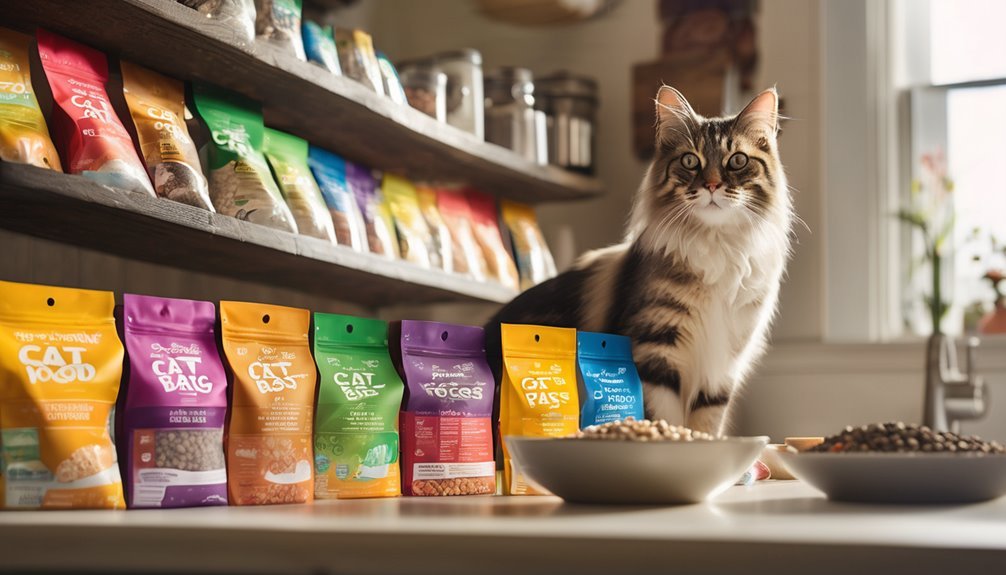
When you pick up a bag of cat food, the label can be a treasure trove of information if you know how to read it. Focus on key elements like ingredient sourcing and label transparency. Look for nutritional additives that enhance health and flavor variety to keep your cat interested.
| Category | What to Look For | Why It Matters |
|---|---|---|
| Life Stage Formulation | Tailored nutrients for your cat’s age | Supports overall health |
| Allergen Identification | Clear labeling of common allergens | Prevents allergic reactions |
| Feeding Guidelines | Recommended portions based on weight | Maintains a healthy weight |
Understanding food processing methods also helps you choose the best options for your feline friend.
Choosing Between Wet and Dry Cat Food: What to Consider?
With a solid understanding of cat food labels, you’ll want to consider the choice between wet and dry cat food.

Wet food benefits include increased hydration, which is vital for your cat’s overall health. It often boasts higher palatability factors, enticing picky eaters.
On the other hand, dry food advantages lie in its convenience and cost comparison; it’s typically more affordable and can be left out longer without spoiling.
Consider your cat’s dental health as well; dry food can help reduce tartar buildup.
Also, think about feeding frequency and portion sizes, as wet food needs to be refrigerated after opening, while dry food offers more flexibility.
Choose what best fits your lifestyle and your cat’s needs.
Tips for Transitioning to New Cat Food
Transitioning to a new cat food can be a smooth process if you approach it thoughtfully. Start with a slow introduction, gradually mixing the new food with the old over several days. Monitor reactions closely—look for any signs of allergies or digestive issues. Maintain consistency in feeding times to help your cat adjust. Consider your cat’s preferences; some may prefer wet food over dry. Ensure hydration balance by providing fresh water at all times. Reward your cat with treats for adjustments, making the transition more positive.
Here’s a simple table to guide you:
| Step | Action |
|---|---|
| Slow Introduction | Mix old and new food |
| Monitor Reactions | Watch for allergies |
| Maintain Consistency | Keep feeding times regular |
| Consider Preferences | Observe food choices |
| Hydration Balance | Ensure fresh water daily |
Special Dietary Needs in Cat Food: Catering to Health Issues
Understanding your cat’s special dietary needs is crucial, especially if they’ve specific health issues.
Understanding your cat’s unique dietary needs is essential, particularly when addressing specific health concerns.
Cats with health conditions often require tailored diets that consider dietary restrictions and food sensitivities. It’s important to consult veterinary recommendations to identify ingredient alternatives that can support your cat’s health.
Age considerations also play a role; kittens, adults, and seniors have different nutritional requirements. Additionally, lifestyle factors like activity level can influence dietary choices.
For effective allergy management, look for limited ingredient diets or hypoallergenic options.
Finding Affordable Yet Quality Cat Food Options
While it’s essential to provide your cat with high-quality food, you don’t have to break the bank to do so. You can find budget-friendly options that still offer quality ingredients.
Start by looking for brands that prioritize meat as the first ingredient, which is crucial for your cat’s health. Check for certifications from reputable organizations that indicate good manufacturing practices.
Buying in bulk can also save you money and ensure you always have food on hand. Don’t forget to read ingredient labels; avoid fillers and artificial additives.
Compare prices online and in-store to find the best deals. With a bit of research, you can give your cat nutritious meals without overspending.
Choosing a Trusted Cat Food Brand
When selecting a trusted cat food brand, it’s crucial to prioritize transparency and quality.
Start by researching the brand reputation; look for companies with a history of good practices and positive customer reviews. Investigate their ingredient sourcing to ensure they use high-quality, wholesome ingredients.
Research the brand’s reputation and ingredient sourcing to ensure they prioritize quality and positive customer experiences.
Brands that disclose their suppliers often demonstrate a commitment to quality and safety, giving you peace of mind. Additionally, check for certifications from reputable organizations, which can indicate adherence to industry standards.
Look for brands that conduct regular quality checks and have a clear recall policy. By focusing on these aspects, you can choose a cat food brand that supports your cat’s health and well-being effectively.
Conclusion
Choosing the right cat food is crucial for your feline’s health and happiness. Remember, nearly 60% of cats in the U.S. are overweight or obese, often due to poor dietary choices. By understanding their nutritional needs and carefully selecting high-quality ingredients, you can prevent health issues and promote a longer, healthier life for your cat. Always consult with your veterinarian to ensure you’re making the best choices tailored to your pet’s unique requirements.