About 41,000 species are currently threatened with extinction, and you can see the crisis most clearly in animals like the vaquita, Javan rhinoceros, and Amur leopard. You’re looking at species that survive in tiny ranges, where habitat loss, poaching, and climate stress can push populations past recovery. Some of the most vulnerable mammals, birds, sea creatures, insects, and amphibians face a similar pattern, and the next threats may be more local—and more unexpected—than you think.
Key Takeaways
- Vaquita, Javan rhinoceros, Amur leopard, and Sumatran tiger are among the world’s most endangered animals today.
- Several gorilla, turtle, and bird species, including the saola and Philippine eagle, also face critical extinction risk.
- Habitat loss, poaching, pollution, climate change, and invasive species are the main drivers of their decline.
- Small populations and specialized habitats make recovery extremely difficult for many endangered mammals and birds.
- Marine species like sharks, rays, and sea turtles are heavily threatened by overfishing, pollution, and habitat destruction.
Which Animals Are Most Endangered Today?
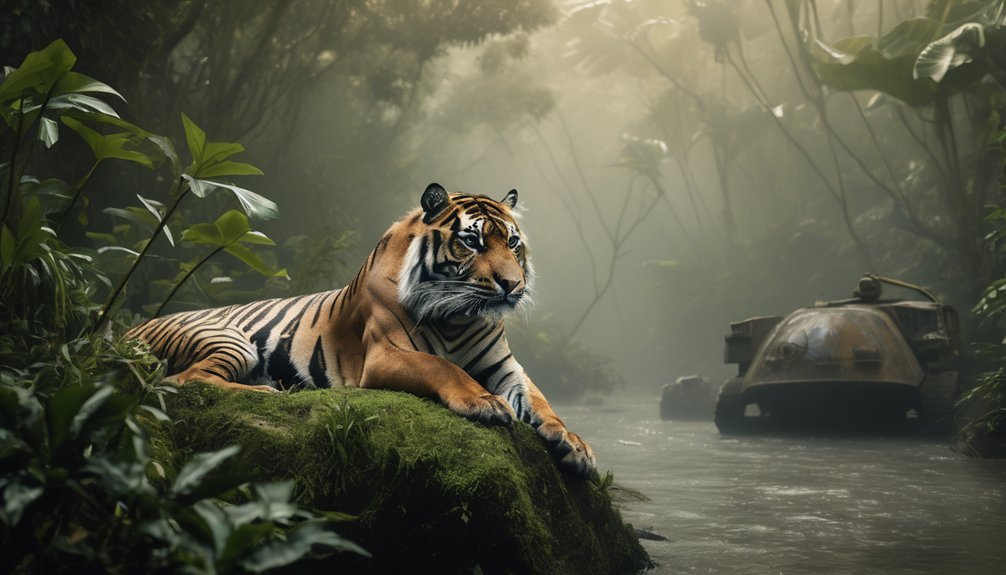
Today, the most endangered animals are species with extremely small, fragmented populations and severe habitat loss, including the vaquita, Javan rhinoceros, Amur leopard, Sumatran tiger, and several gorilla and turtle species.
You can also find other critically threatened animals such as the Saola, the Malayan tiger, and the Philippine eagle on global lists. Each species now survives in limited ranges, where every individual matters.
You should note that scientists classify these animals as highest risk because their numbers remain low and their habitats keep shrinking. In many cases, poaching impact intensifies the pressure already created by habitat loss.

When you learn about them, you see that extinction risk isn’t abstract; it’s measurable through population counts, range size, and continuing decline in the wild.
Why These Species Are Declining
These species are declining because multiple threats act at once, with habitat loss, poaching, pollution, disease, and climate change each reducing survival and reproduction. You can trace the pattern to human activity that fragments ecosystems, lowers food supply, and disrupts breeding.
| Driver | Effect | Result |
|---|---|---|
| habitat loss | less cover | fewer young survive |
| climate change | altered temperature | ranges shrink |
| poaching impacts | direct removal | populations fall |
Pollution effects add toxins to water and soil, while invasive species increase competition and predation. Together, these pressures raise mortality faster than recovery. When you assess a species, you’re seeing a system under stress, not a single cause. Effective conservation must reduce each pressure at once to restore stable reproduction and persistence.
Most Endangered Mammals
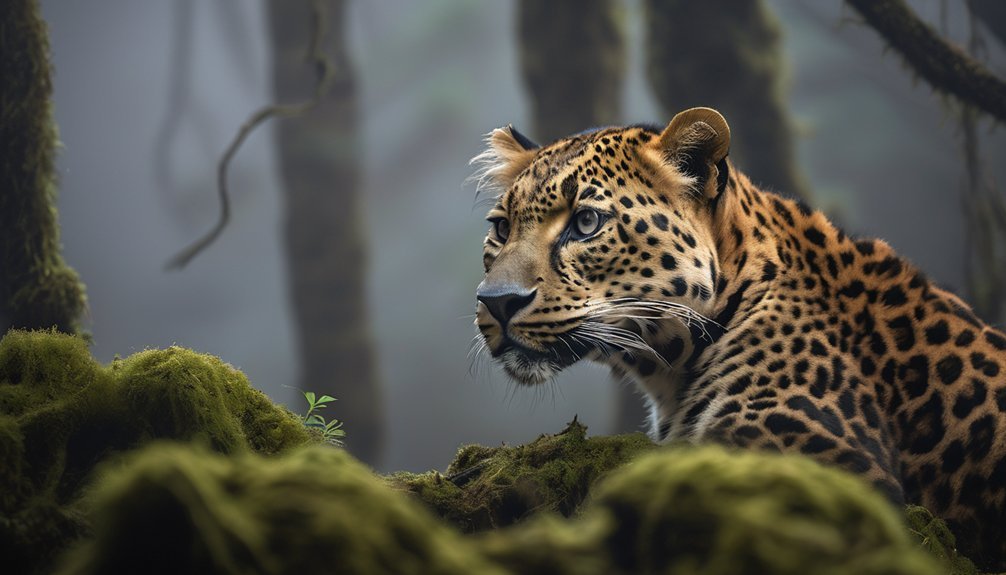
Among mammals, the most endangered species often face the same combined pressures discussed above, but their low birth rates and specialized habitats make recovery especially difficult. You can see this in the vaquita, Javan rhinoceros, Sumatran orangutan, and mountain gorilla, each surviving in small, fragmented populations.
Habitat loss removes feeding and breeding sites, while poaching impacts reduce already limited numbers and disrupt social structure. When you protect forest corridors, coastal waters, and remote reserves, you improve gene flow and lower extinction risk.
Conservation also depends on enforcement, community support, and long-term monitoring. Because many mammals mature slowly, every adult lost matters. If you understand these patterns, you’ll better see why immediate, targeted action isn’t optional—it’s essential for survival.
Most Endangered Birds
Birds on the brink of extinction often decline because nesting sites, feeding grounds, and migration routes are disrupted at the same time. You can see this in species such as the California condor, kakapo, spoon-billed sandpiper, and Bali myna, each of which faces habitat loss, invasive predators, or low reproductive success.
When bird habitats shrink, populations become isolated and genetic diversity drops. Illegal trade and pesticide exposure can also reduce survival. You help most by supporting conservation efforts that protect breeding areas, restore native vegetation, and control introduced animals.
Monitoring programs track population trends, while captive breeding can boost numbers when wild recovery is slow. If you value intact ecosystems, you’ll recognize that saving endangered birds also preserves pollination, seed dispersal, and ecological balance for many other species.
Most Endangered Sea Creatures
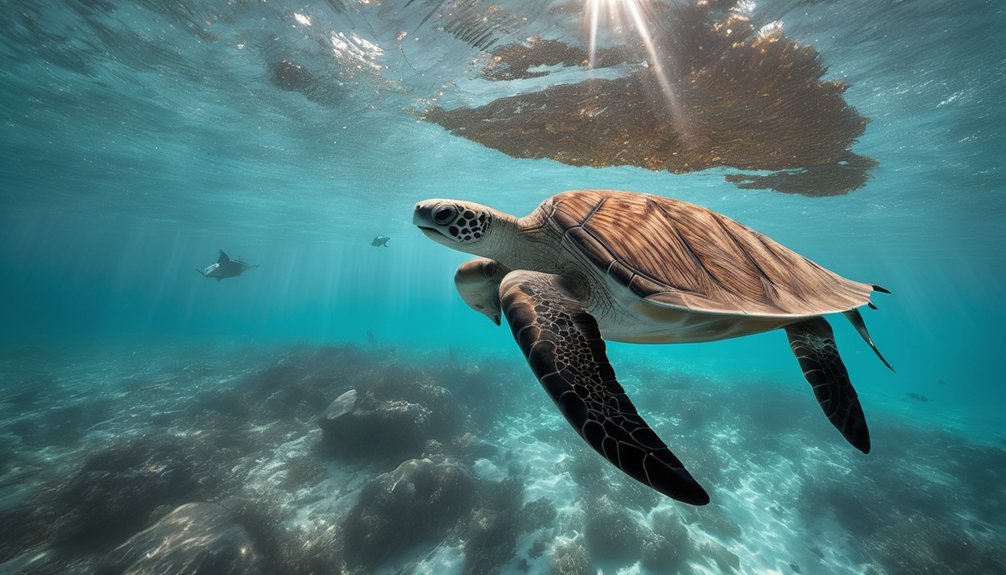
Sea creatures become endangered when overfishing, warming oceans, pollution, and habitat destruction combine to reduce survival and reproduction.
You can see the effects most clearly in sharks, rays, sea turtles, and marine mammals, which depend on stable ocean habitats for feeding, breeding, and migration. When fisheries remove adults faster than populations can recover, numbers fall sharply.
Marine pollution adds extra stress through plastics, chemicals, and oil, which injure bodies and contaminate food webs. Coral reef loss and seagrass decline also reduce shelter for young animals.

Pollution, reef loss, and seagrass decline add stress and strip young sea creatures of vital shelter.
You may notice that many species face multiple threats at once, making recovery slow and uncertain. Protecting these animals requires stricter harvest limits, cleaner water, and healthier habitats across coastal and open-ocean ecosystems.
Insects and Amphibians Most at Risk
Insects and amphibians are among the most vulnerable groups in the animal world because they respond quickly to changes in climate, habitat, and water quality. You can see their risk in shrinking populations of bees, butterflies, frogs, salamanders, and other species that depend on stable ecosystems.
Scientists track insect extinction as pollinators, decomposers, and food-web links disappear, while amphibian decline reflects thin skin, permeable eggs, and dependence on clean moisture. You should note that many species have limited ranges, so small environmental shifts can reduce breeding success and survival.
When these animals vanish, you lose ecological functions that support plant reproduction and nutrient cycling. Their decline signals broader biological stress, and it deserves careful monitoring and urgent conservation attention.
Where the Biggest Threats Hit Hardest
The biggest threats hit hardest where habitats are already fragmented, degraded, or tightly specialized, because endangered species have less room to adapt or move. You can see habitat destruction from urban expansion and agricultural practices compressing ranges, while climate change shifts temperature and rainfall faster than many species can follow. In coastal and marine systems, overfishing practices remove prey and disrupt food webs. The table shows common pressures and their effects:
| Threat | Main effect |
|---|---|
| Habitat destruction | Loss of shelter |
| Poaching impact | Direct population decline |
| Pollution effects | Reduced survival and fertility |
| Invasive species | Competition and predation |
| Climate change | Range mismatch |
Together, these forces intensify local extinction risk, especially for specialists.
How Conservation Saves Species
Conservation saves species by reducing the pressures that drive population decline and by restoring the conditions animals need to survive and reproduce. You can see this in protected habitats, targeted breeding programs, and tighter limits on poaching and pollution.
When you support habitat restoration, you help rebuild food sources, nesting sites, and migration corridors. When conservation teams use genetic management, they can maintain diversity and lower inbreeding risk.
Community engagement also matters because local people often monitor wildlife, report threats, and shape sustainable land use. These actions work together, so populations can stabilize and recover over time.
- Protect critical habitat
- Restore degraded ecosystems
- Build community engagement
Frequently Asked Questions
How Do Scientists Decide Which Species Is Critically Endangered?
You decide by applying species assessment, conservation criteria, population monitoring, and habitat evaluation. Scientists measure population decline, range size, and threats, then compare evidence against IUCN thresholds to determine whether a species is critically endangered.
What Role Does Climate Change Play in Extinction Risk?
Climate change raises extinction risk by shrinking habitats, increasing temperature fluctuations, and intensifying conservation challenges. You’ll see species adaptation lag behind rapid shifts, leaving populations stressed, isolated, and more vulnerable to collapse.
Which Countries Have the Most Endangered Animals?
You’re likely to find the most endangered animals in countries with high biodiversity and rapid habitat loss, including Indonesia, Madagascar, Brazil, and Australia, where conservation efforts can strongly affect extinction risk.
How Can Individuals Help Protect Endangered Species?
You can support species survival through small, steady steps: reduce waste, respect wildlife, and donate to conservation efforts. You’ll also help by protecting habitat preservation, reporting threats, and choosing sustainable products that lower environmental pressure.
What Laws Exist to Punish Wildlife Trafficking?
You’re protected by laws like CITES, the U.S. Lacey Act, and national wildlife statutes, which impose trafficking penalties including fines and prison. These wildlife protection measures target poaching, smuggling, and illegal trade across borders.
Conclusion
You can see the pattern: when habitat shrinks, poaching rises, and climate shifts, species such as the vaquita, Javan rhinoceros, and Amur leopard move closer to extinction. Every individual matters, because each loss weakens biodiversity and ecosystem stability. If you support conservation, you help slow this decline and protect what remains. The question isn’t whether these animals can survive without action; it’s whether you’ll help ensure they do.