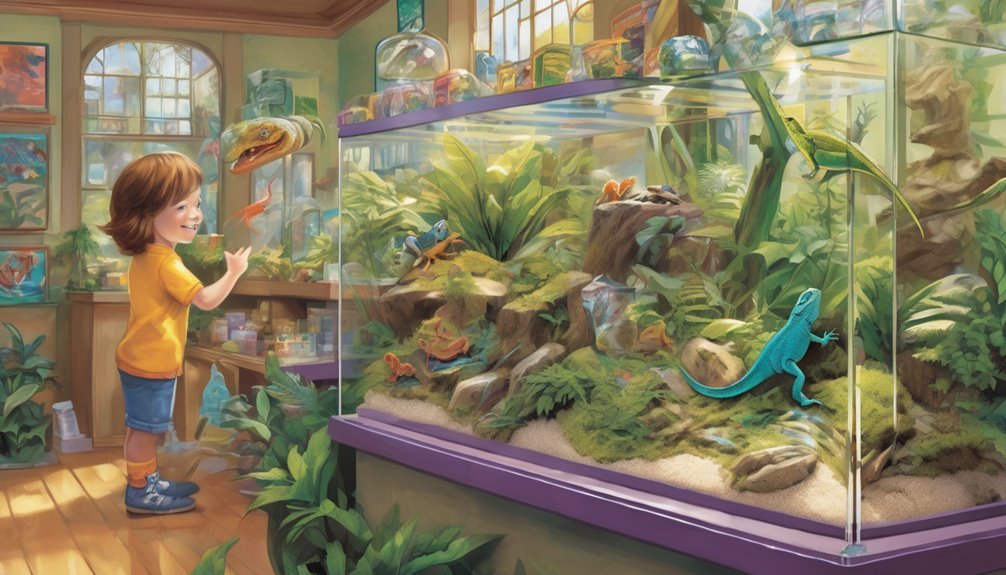
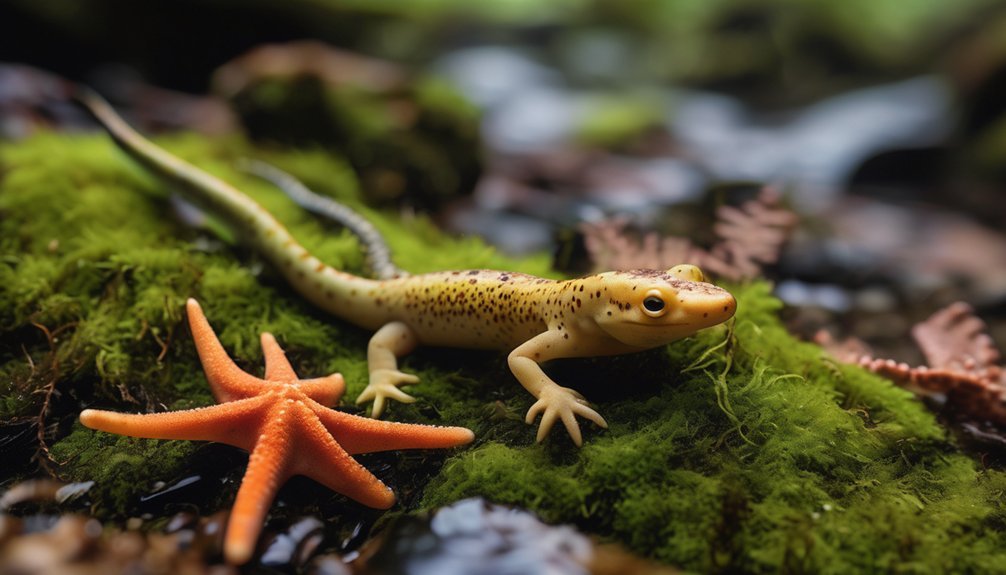
You may think lost body parts are permanent, but many animals can replace them through regeneration, a process that can rebuild tissues after injury. Starfish regrow arms, lizards can replace tails, and salamanders can restore entire limbs with bone, muscle, and nerves. Even sea cucumbers and octopuses regenerate complex structures. The biology behind these repairs raises a deeper question: how close are humans to using the same principles?
Key Takeaways
- Starfish can regrow lost arms after injury, rebuilding tissue and reconnecting control and circulation systems.
- Lizards can regrow tails after autotomy, though the new tail often contains cartilage instead of true vertebrae.
- Salamanders can regenerate entire limbs, including bones and muscles, with highly accurate pattern restoration.
- Octopuses, sea stars, sea cucumbers, and jellyfish can regenerate arms, eyes, internal organs, or body structures.
- Regeneration varies by species, age, and health, and is studied to inspire future regenerative medicine.
What Regeneration Means in Animals
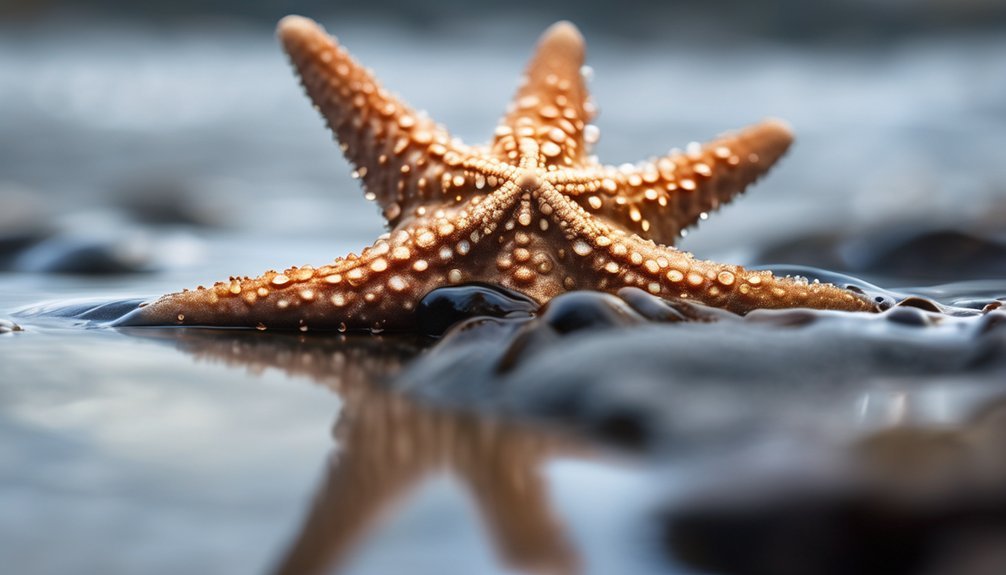
Regeneration in animals means the ability to replace lost or damaged body parts with new tissue that restores function, and in some species, the replacement can be remarkably complete. You can think of it as a controlled biological repair process, not simple healing.
After injury, cells near the wound can divide, migrate, and specialize, guided by cellular mechanisms that reestablish shape, structure, and function. In responsive species, regeneration helps maintain survival after trauma, and it can offer evolutionary advantages by improving recovery and preserving mobility, feeding, or defense.
This trait varies widely across animals because genes, signaling pathways, and tissue context all influence the outcome. When you study regeneration, you see how living systems balance precision, resilience, and adaptation.
Starfish and Their Regrowing Arms
Starfish are among the best-known animals for regrowing lost body parts, and many species can replace one or more arms after injury. You can see this ability in their starfish anatomy, where each arm contains nerves, muscles, tube feet, and some internal organs.
When damage occurs, the regeneration process begins with wound closure and tissue repair. Nearby cells then divide and differentiate to rebuild missing structures in an orderly pattern.

You’ll notice that a starfish can recover function, not just shape, because the new arm reconnects to the body’s control systems and circulation. This response helps the animal survive attacks from predators and environmental stress.
In many species, a damaged arm may even detach first, reducing further harm before regrowth starts.
Lizards That Regrow Their Tails
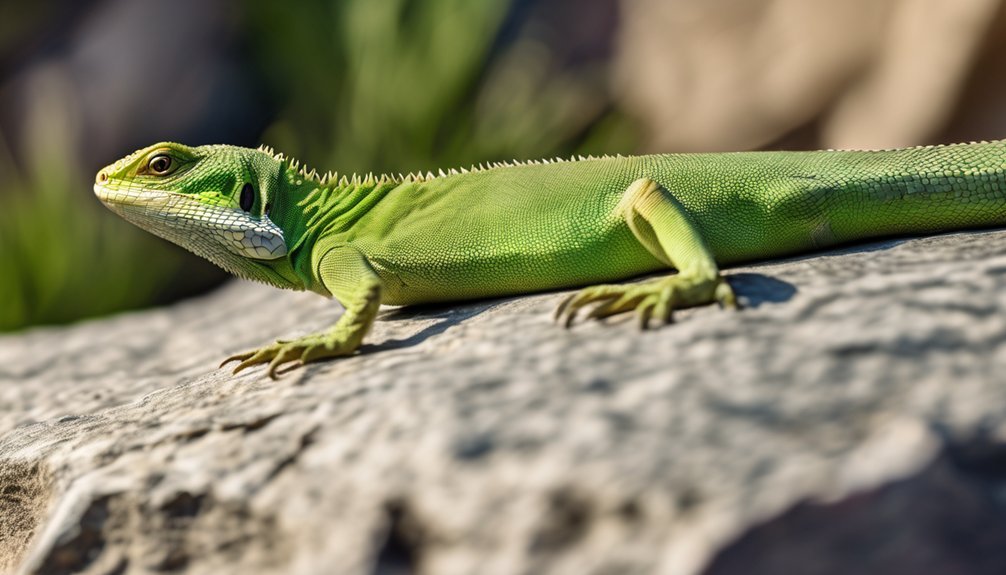
Like starfish, some lizards can replace lost body parts, but their most famous ability is tail regrowth. When a predator grabs you, many lizard species can shed the tail through a controlled break point called autotomy. This escape leaves the attacker with a writhing decoy while you flee.
Later, cells near the wound form a blastema, a growth zone that drives tail regeneration. The new tail often contains cartilage instead of true vertebrae, plus nerves, muscles, and skin, but it usually looks different from the original.
Regrown tails can help restore balance and fat storage, yet they may move less efficiently. Tail regeneration varies by species, age, and health, so not every lizard rebuilds it equally well.
Salamanders and Limb Regrowth
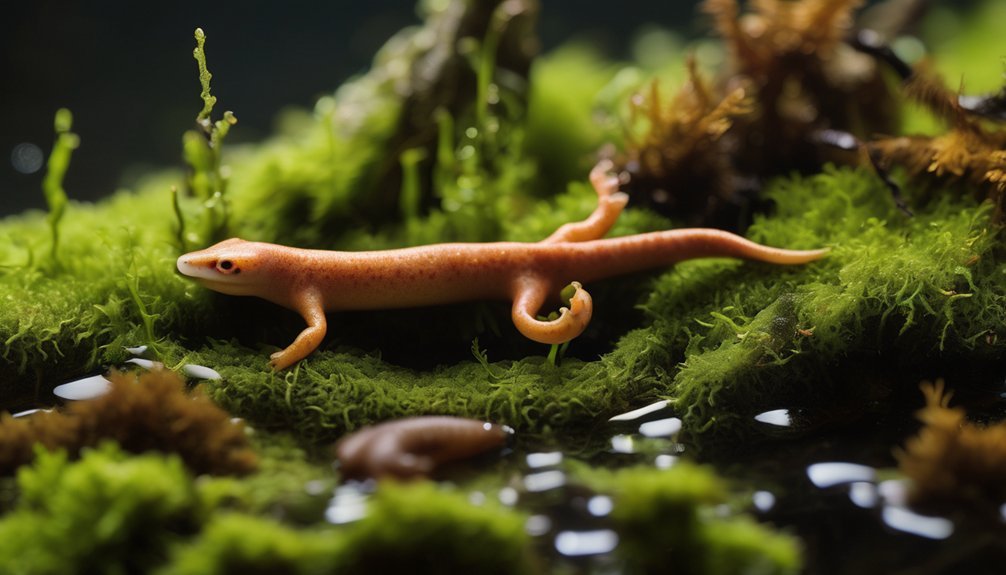
Salamanders are among the most remarkable vertebrates for limb regrowth, and if you lose a leg, many species can replace it with a new one that includes bone, muscle, nerves, blood vessels, and skin.
Salamanders can regrow entire limbs, rebuilding bone, muscle, nerves, blood vessels, and skin.
In your study of limb regeneration, you’ll notice that success often depends on species and salamander habitat, especially moist forests, streams, and leaf litter.
You can observe three key traits:
- Regrowth usually preserves normal limb patterning.
- Injuries near the shoulder or thigh can still heal well.
- Cool, damp conditions often support better recovery.
When you watch a salamander recover, you’re seeing a vertebrate that can restore function with unusual precision.
This ability makes salamanders central to comparative biology and to questions about tissue replacement in animals.
How Animal Regeneration Works
Regeneration begins when an animal rapidly seals a wound, controls infection, and reprograms nearby cells to rebuild lost tissue.
You then see a coordinated cascade of cellular mechanisms: cells near the injury dedifferentiate, divide, and migrate into the damaged area. In many species, a blastema forms, serving as a pool of progenitor-like cells that can generate bone, muscle, nerve, or skin.
Chemical signals guide each step, telling cells when to grow, specialize, or stop. Genetic factors also shape the response by activating repair pathways and switching on developmental programs usually used during early growth.
You’re watching biology reuse its own instruction set, turning damage into organized replacement. This process demands precise timing, because each cell must follow the right signal to restore structure and function.
Why Some Animals Regrow More Than Others
Some animals can rebuild lost limbs, tails, or organs because their bodies keep more flexible adult cells, stronger repair signaling, and developmental programs that can be reactivated after injury.
You see big differences when you compare species because regeneration depends on:
- Genetic factors that control stem cell behavior, tissue patterning, and wound healing.
- Evolutionary advantages that favor rapid recovery when survival depends on escaping predators or replacing damaged parts.
- Immune and metabolic limits that either support or restrict cell division after injury.
In you, these influences shape how much tissue an animal can replace without scarring.
Species with tighter control of inflammation and more plastic cells usually regenerate better, while others heal fast but seal damage permanently.

That trade-off helps explain why regeneration varies so much across animals.
Sea Creatures That Regrow Organs
In the sea, many animals can replace entire organs after severe injury, not just lost appendages. You can see this in octopus regeneration, where damaged eyes, arms, and parts of the nervous system can rebuild through rapid cell division and tissue patterning.
Some sea stars restore digestive glands, while sea cucumbers can regenerate internal organs after evisceration, preserving function with remarkable precision.
Some sea stars restore digestive glands, while sea cucumbers regenerate internal organs with remarkable precision.
Jellyfish healing also shows how marine bodies stay flexible; after injury, they often re-form muscle layers, sensory structures, and reproductive tissue.
You’re looking at regeneration driven by stem-like cells, strong signaling pathways, and controlled inflammation.
These animals don’t simply patch wounds. They reorganize living tissue so organs work again, keeping them active in harsh ocean environments and after repeated injury.
Can Humans Regrow Lost Body Parts?
Can humans regrow lost body parts? You can regrow only limited tissues, not full limbs or organs. Your skin closes wounds, your liver can rebuild mass, and children sometimes replace a lost fingertip tip, but human limitations keep larger structures from returning.
Unlike salamanders, you lack the cellular programs that rebuild bones, nerves, and blood vessels in exact patterns.
- You heal through scar formation, which stabilizes injury fast.
- You rely on stem cells and local tissue repair, which are useful but incomplete.
- Potential therapies aim to boost regeneration with growth factors, engineered scaffolds, and gene-based approaches.
For now, your body repairs damage well enough to preserve survival, but true limb regrowth remains beyond current biology.
What Scientists Learn From Regeneration
Scientists study regenerating animals because they show how complex tissues can rebuild in ways human bodies usually cannot. When you examine salamanders, planarians, or sea stars, you see cellular mechanisms that let mature cells dedifferentiate, divide, and organize into new structures.
You also notice precise signaling between stem cells, nerves, and immune cells, which guides patterning and prevents errors. These animals reveal evolutionary advantages linked to survival after injury, since losing a limb or organ doesn’t always end reproduction or escape.
You can learn how gene networks stay active during repair and how local environments instruct cells to choose the right fate. By comparing species, you gain insight into which regeneration traits are ancient, which are specialized, and why some bodies keep this remarkable ability.
The Future of Regenerative Medicine
Although regeneration in animals is still far more advanced than in humans, you can already see its influence in regenerative medicine as researchers work to turn those natural strategies into therapies for injuries, degenerative diseases, and organ failure.
You’ll likely see progress through:
- stem cell therapy, which can replace damaged cells and restore function;
- tissue engineering, which builds scaffolds and living tissues for implantation;
- regenerative drugs, which may activate your own repair pathways.
These approaches depend on precise control of signaling, immune responses, and vascular growth.
You should also consider bioethical implications, including access, consent, and long-term safety.
If scientists can balance efficacy with regulation, you may eventually benefit from treatments that don’t just manage disease, but rebuild tissue and improve recovery at the cellular level.
Frequently Asked Questions
Which Animals Regenerate the Fastest?
You’d find salamanders regenerate fastest, especially axolotls, which can rebuild limbs, spinal cord, and organs. Starfish arm regrowth is also rapid, but salamander regeneration generally outpaces it in complex tissue replacement and precision.
Do Regenerated Body Parts Look Exactly the Same?
No, they often don’t. During the regeneration process, your body’s cellular mechanisms can rebuild a close replica, but shape, texture, and function may differ slightly, depending on species, age, injury severity, and environment.
Can Regeneration Happen After Severe Infections?
Yes, you can sometimes see regeneration after severe infections, but only if regeneration mechanisms stay intact and the immune response clears damage without excessive scarring or tissue destruction, which often blocks full restoration.
Does Age Affect an Animal’s Regrowth Ability?
Yes—age can affect regrowth; you’ll see age-related factors reducing stem cell activity, slowing repair, and increasing regeneration limitations. In the twilight years, your animal’s tissues often heal less efficiently, scientifically and predictably.
Can Animals Regrow Body Parts More Than Once?
Yes, you can see multiple regeneration in some species; they regrow certain body parts more than once, provided damage doesn’t exceed limits. This gives evolutionary advantages, because repeated repair boosts survival, mobility, and reproduction.
Conclusion
You’ve seen how starfish, lizards, salamanders, and sea cucumbers can rebuild what’s lost, while you can’t yet replace an arm or organ. That contrast is striking: simple tissues restore function; complex human tissues usually scar. Even so, studying blastema formation, stem cells, and patterning signals gives you a scientific roadmap. As you compare animal regeneration with human limitation, you’re also seeing the future of regenerative medicine—slower, harder, but increasingly possible.