If you compare animals by lifespan, you’ll find some species that seem to defy aging. You can see this in Greenland sharks, ocean quahogs, giant tortoises, and elephants, each shaped by different survival pressures. Cold waters, slow metabolism, and efficient repair systems often play a role. Yet the full picture is more complex, and the most surprising cases may not be the ones you expect.
Key Takeaways
- Ocean quahogs can live over 500 years, making them among the longest-living animals on Earth.
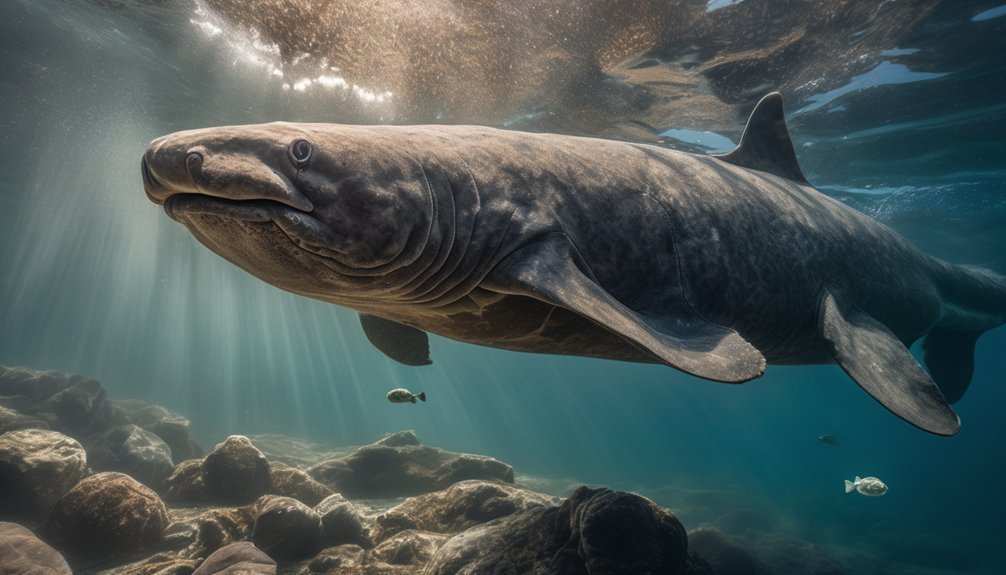
- Greenland sharks may reach 250 to 400 years, especially in cold deep-sea environments.
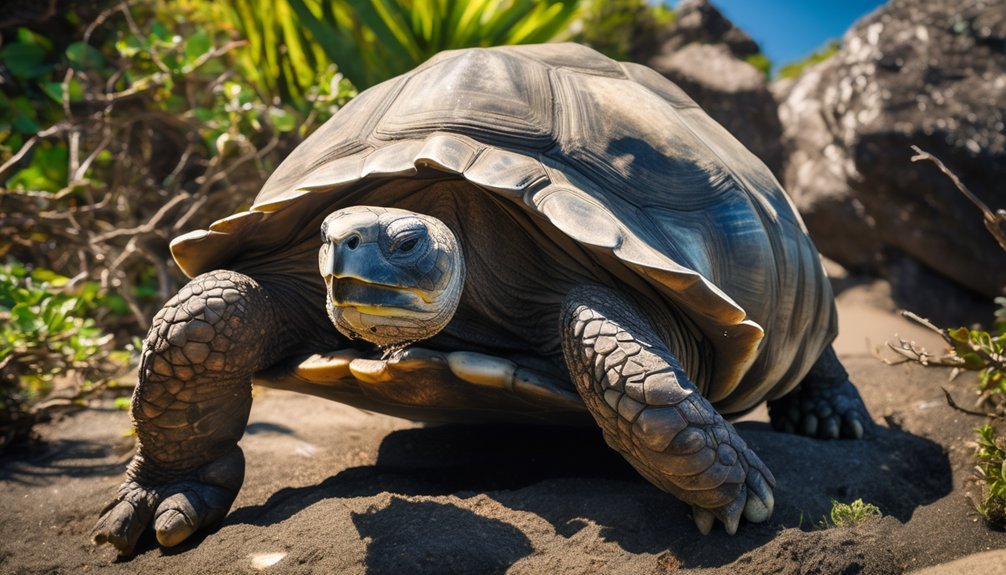
- Giant tortoises, especially Galápagos tortoises, can live more than 150 years.
- Red sea urchins, glass sponges, and black corals also survive for centuries.
- Tiny animals like hydra and some jellyfish show minimal aging through constant cell renewal and regeneration.
Which Animals Live the Longest?
When you ask which animals live the longest, the answer depends on how lifespan is measured, but a few species stand out for extreme longevity. You can compare chronological age, reproductive span, or verified records, and each metric changes the ranking.
In general, animal longevity reflects slow metabolism, low predation pressure, and strong cellular repair. You’ll often see lifespan adaptations in deep-sea, cold-water, and sheltered environments, where growth is slow and damage accumulates more gradually.
Some animals can survive for centuries, while others age over decades with unusual resilience. If you’re studying life history, focus on verified data rather than anecdotes, because precise measurement matters. That approach lets you understand why some bodies endure far beyond ordinary expectations.
Longest-Living Animals by Species
The longest-living animals by species include a small set of vertebrates and invertebrates with exceptional longevity records, and their rankings depend on whether researchers use maximum verified age, average lifespan, or age at sexual maturity.

You can compare species only when age determination methods are consistent, because shells, growth rings, and mark-recapture data each give different limits.
Greenland sharks, bowhead whales, Galápagos tortoises, and certain deep-sea mollusks often appear near the top, but each species reaches old age through unique survival adaptations, such as slow metabolism, low predation risk, and delayed development.
You should treat these records carefully, since many estimates remain uncertain.
Still, the pattern is clear: longevity usually tracks slow growth, late reproduction, and strong resistance to environmental stress.
Ocean Animals That Live for Centuries
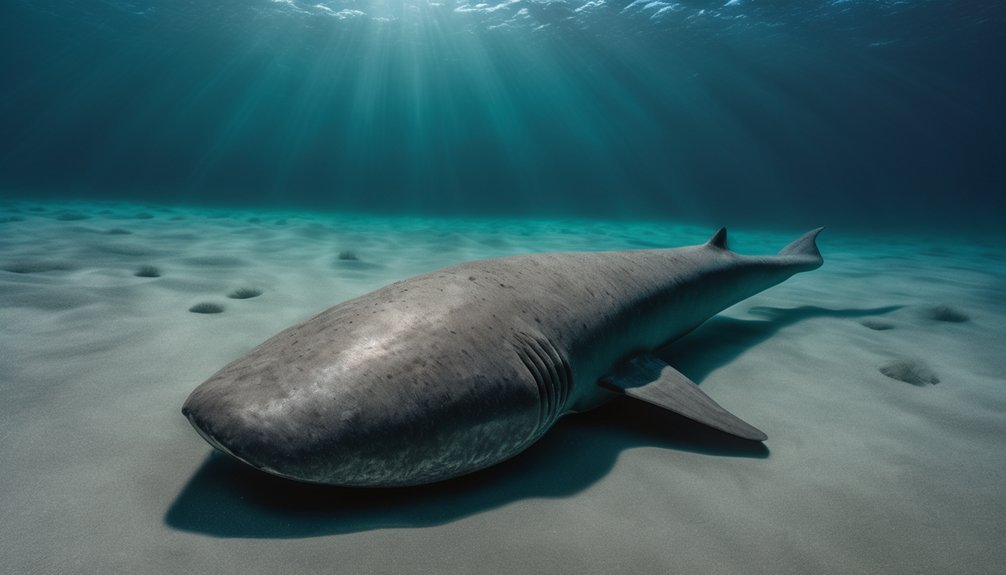
Among ocean animals, a few species can live for centuries because cold, stable habitats slow metabolism and reduce mortality. You’ll notice ocean longevity most clearly in Greenland sharks, ocean quahogs, and some deep-water sponges, where sparse food and low temperatures support slow aging. These deep sea mysteries reveal how limited stress can extend life far beyond typical vertebrate limits.
| Species | Longevity |
|---|---|
| Greenland shark | 250+ years |
| Ocean quahog | 500+ years |
| Red sea urchin | 100+ years |
| Glass sponge | Centuries |
| Black coral | Centuries |
When you study them, you see precision in physiology: slow growth, delayed reproduction, and efficient repair. Their timelines aren’t myths; they’re measured signals from the ocean’s coldest habitats.
Land Animals With Extreme Lifespans
On land, extreme lifespan usually appears in species that grow slowly, reproduce late, and face few predators or environmental shocks.
Extreme lifespan on land often belongs to species that grow slowly, breed late, and avoid many threats.
You can see tortoise longevity in giant tortoise species, where low metabolism and durable shells support decades of survival.
Elephant lifespan also reflects slow maturation and strong social care, while parrot age can exceed a human lifetime because many parrots delay breeding and maintain efficient repair systems.
Bat lifespan is striking for a mammal of small size, but it still stays below whale survival.
Crocodile years can be impressive too, with robust physiology and limited age-related decline.
In each case, animal aging unfolds gradually, and you should expect lifespan to track ecology, body plan, and reproductive strategy rather than size alone.
Tiny Creatures That Barely Age
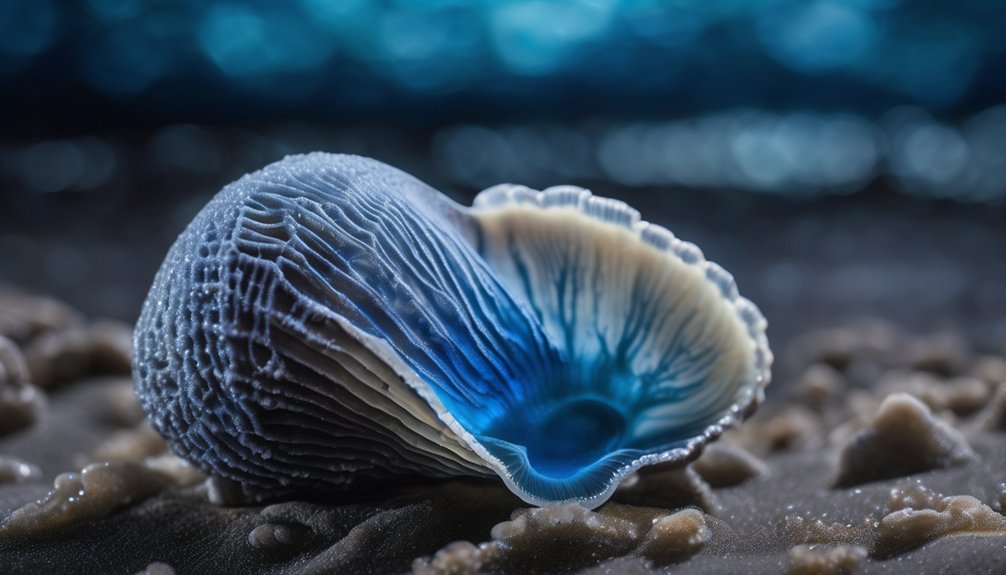
Size doesn’t set the clock for aging, and some of the smallest animals show the most unusual patterns of longevity. You can study hydra, planarian worms, and certain jellyfish to see why biologists call them tiny immortals.
They don’t show the steep age-related decline you’d expect in most animals, and some species keep producing new cells with remarkable consistency. Their bodies can replace damaged tissue so effectively that senescence appears minimal or delayed.

For aging theories, these creatures matter because they challenge the idea that all multicellular life must deteriorate at the same rate. When you look closely, you find that longevity isn’t always about size, but about how biology manages repair, renewal, and cellular turnover across time.
How Long-Lived Animals Survive
Long-lived animals survive by slowing damage, maintaining repair systems, and limiting the buildup of cellular errors over time. You can see adaptive strategies in their low metabolism, efficient DNA repair, and stress resistance. Genetic factors often shape these traits, while environmental influences like cold water, stable temperatures, and scarce predators reduce wear.
Their dietary habits may conserve energy, and their reproductive methods often favor fewer, well-protected offspring.
- A deep-sea clam resting in dark mud
- A tortoise moving under dry shade
- A whale gliding through cold currents
- A coral colony locked to reef rock
- A social insect nest sheltering workers
Habitat conditions matter, too, because steady environments support survival. Social structures can also lower risk. Together, these features create evolutionary advantages that help each animal endure longer than most.
What Scientists Learn From Longevity
By studying long-lived animals, scientists can identify biological traits that slow aging and extend health span.
Long-lived animals reveal biological traits that slow aging and extend healthy years.
In longevity research, you learn how cells maintain DNA, control inflammation, and preserve protein quality over decades. These animals also reveal evolutionary advantages, because natural selection can favor bodies that keep working under harsh conditions.
When you compare their tissues with yours, you gain clues about stress resistance, metabolic efficiency, and repair systems that limit damage. That evidence helps researchers test therapies for age-related disease and design better biomarkers of biological age.
You also see that exceptional lifespan isn’t one trick; it’s a coordinated set of protective processes. Studying them gives you a precise map of how healthy aging can be measured, modeled, and eventually supported.
Why Some Animals Age So Slowly
Some animals age slowly because their bodies are built to limit damage and repair it efficiently. You can see this in their cells, which protect DNA, remove faulty proteins, and slow wear across tissues.
Their aging mechanisms often keep metabolism steady, reduce inflammation, and preserve stem cell function. Evolutionary advantages matter too: if you live in a stable habitat, natural selection can favor long-term maintenance over rapid reproduction.
- Dense, shielded cells
- Calm metabolic pace
- Strong repair enzymes
- Low oxidative stress
- Persistent tissue renewal
Animal Lifespan Records That Stand Out
Several animals set lifespan records that far exceed what you’d expect from their size or body type. You can look at the ocean quahog, which has lived more than 500 years, or the Greenland shark, whose age can surpass 400 years.
Bowhead whales also stand out, with individuals likely reaching over 200 years. These cases matter because they reveal how animal aging can slow under extreme cold, low predation, and specialized metabolism.
When you compare these species, you see lifespan evolution at work: natural selection can favor repair, stability, and delayed decline over rapid growth. You may notice that record longevity isn’t random; it reflects biology shaped by environment, physiology, and long-term survival pressures.
Frequently Asked Questions
What Animal Lives the Longest in Captivity?
You’ll usually find turtles live longest in captivity; some tortoises hold captivity records exceeding 150 years. Their turtle longevity reflects slow metabolism, careful care, and stable conditions, though individual species and husbandry still matter most.
Can Animal Lifespans Be Extended by Diet?
Yes—diet can sometimes extend lifespans; studies show mice on caloric restriction often live 20–30% longer. You’ll get better odds with nutrient diversity, because balanced intake supports repair, immunity, and lower metabolic stress.
Do Pets Age Differently Than Wild Animals?
Yes—your pets often age differently than wild animals because selective breeding, diet, veterinary care, and safer environments alter pet lifespan. Wild lifespan varies with predation, disease, and food scarcity, usually accelerating physiological aging.
How Do Scientists Measure Unknown Animal Ages?
You’d think animals carry tiny birth certificates, but scientists infer age with age determination techniques: growth rings, chemical markers, DNA damage, and body wear, using longevity research methods to estimate unknown ages precisely.
Are Long-Lived Animals Threatened by Climate Change?
Yes, you’re right: long-lived animals are threatened by climate change. You’ll see climate impact, habitat loss, pollution effects, and disrupted food webs shorten survival, so conservation efforts must protect breeding sites, refuges, and migration corridors.
Conclusion
Like a deep-sea lantern, the longest living animals on Earth illuminate how survival can be stretched by cold habitats, slow metabolism, and efficient repair. When you study Greenland sharks, ocean quahogs, giant tortoises, and elephants, you see that longevity is not luck; it’s biology shaped by evolution. You can use these species as living symbols of resilience, showing how cells defend themselves against time and how life can endure far beyond expected limits.