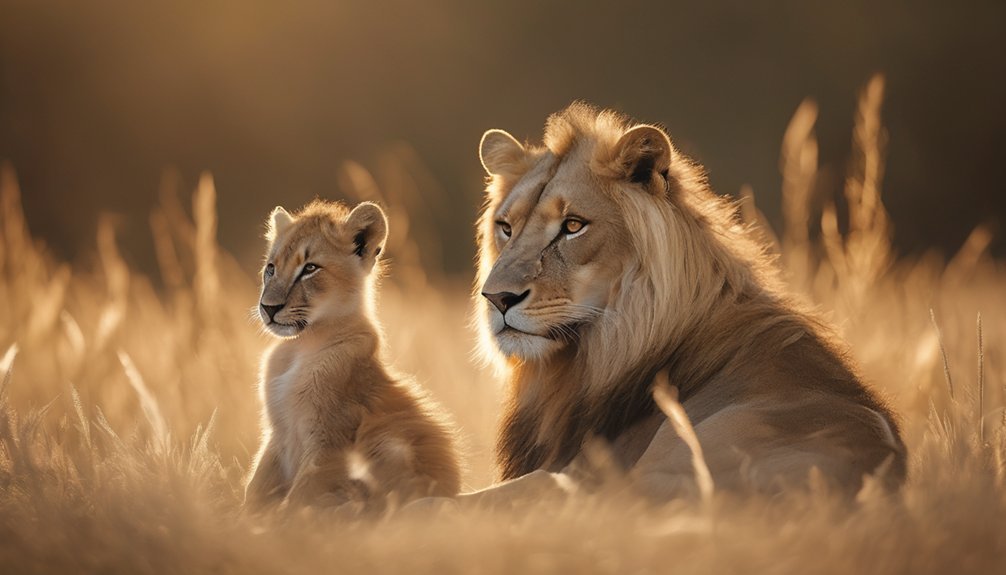
When you look at animal parenting, you’ll find fathers that do far more than mate and leave. In some species, males carry embryos, guard nests, feed young, or guide them through dangerous early life. These behaviors can improve survival in harsh habitats and reveal how paternal care shapes evolution. The most unusual examples may challenge what you expect from fatherhood and raise a larger question about why some species depend on dads.
Key Takeaways
- Many animal fathers guard eggs and territories, reducing predation and improving offspring survival.
- Some fathers raise young alone, as seen in seahorses, emus, frogs, fish, and birds.
- Male animals often protect nests by fanning eggs, turning them, and keeping them warm and safe.
- Certain fathers feed their young directly, including seahorse dads and male birds that regurgitate food.
- Animal fathers can also teach survival skills, such as finding food, avoiding danger, and navigating habitats.
What Makes Animal Fathers So Remarkable?
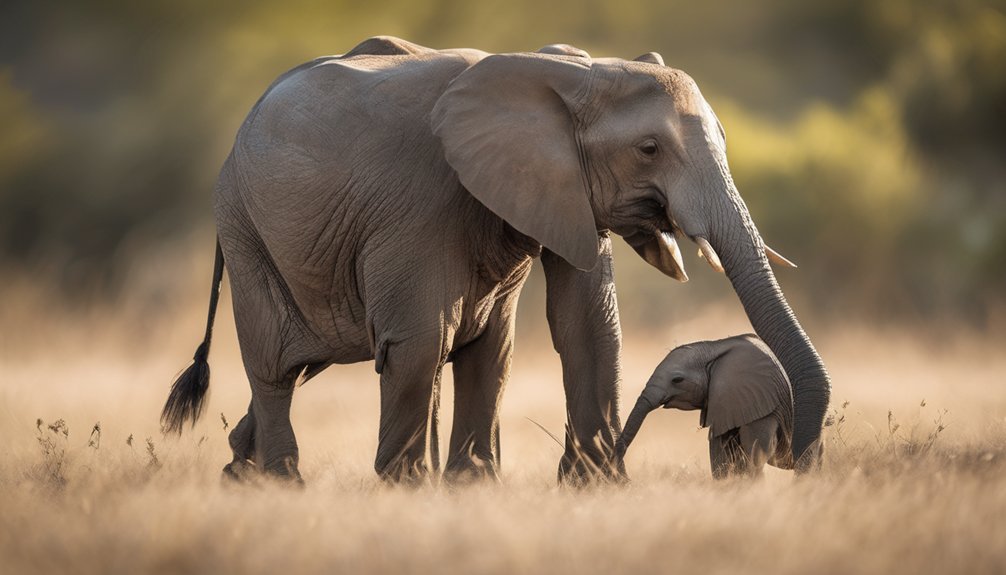
Animal fathers are remarkable because they often take on roles that directly improve the survival of their offspring, from guarding eggs and territories to carrying young and providing food or warmth.
You can see that these parenting strategies vary widely across species, yet each one supports young during their most vulnerable stages. In many cases, the father’s care reduces predation risk, stabilizes body temperature, and increases access to nutrients.
These behaviors also show clear evolutionary benefits, because offspring that survive longer can grow, reproduce, and pass on genes more effectively.

Offspring that survive longer can grow, reproduce, and pass on genes more effectively.
When you study animal fathers closely, you notice that paternal investment isn’t unusual at all; it’s a precise adaptation shaped by selection, environment, and the demands of early development.
Which Animal Fathers Raise Young Alone?
In some species, fathers raise the young alone after the female departs, dies, or never provides care. You can see this in seahorses, where males carry embryos and later release fully formed young, and in emus, where dads incubate eggs and guide chicks.
You’ll also find single parenting in some frogs, fish, and birds, where the male feeds, shelters, and teaches survival skills. These fathers show unique behaviors shaped by evolution, not sentiment. You may notice that their care often increases offspring survival when maternal investment is absent.
In each case, the father’s role is active, sustained, and essential. When you study these species, you’re seeing a precise division of labor that can keep vulnerable young alive.
Animal Dads That Guard Nests
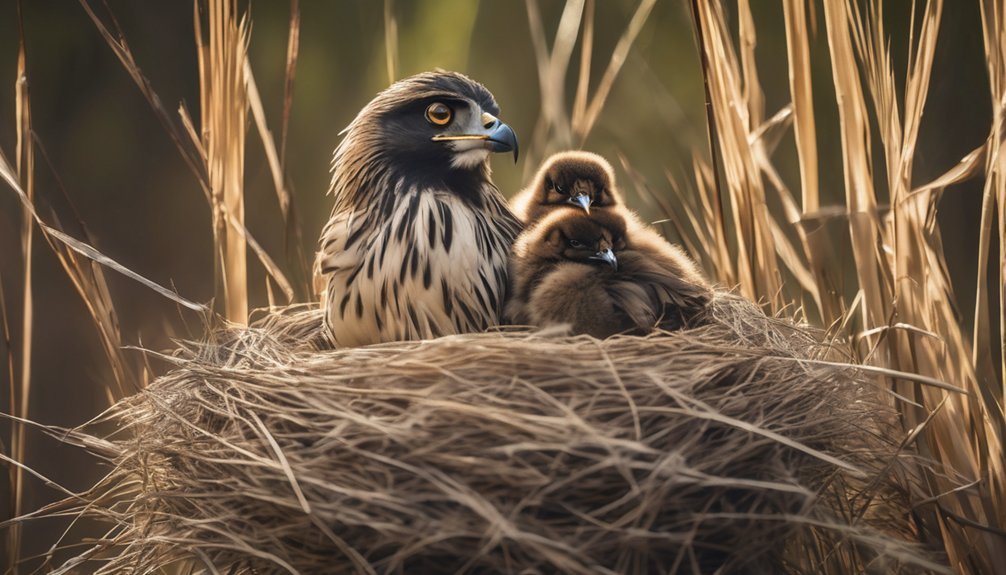
Many animal fathers protect nests while the eggs develop, staying close to deter predators, regulate temperature, and keep the eggs safe from disturbance. You can see this in birds, fish, and reptiles that show careful nesting behaviors.
The male often fans eggs, turns them, or adds fresh material to improve airflow and moisture. His paternal instincts help him recognize threats quickly, so he can chase intruders or camouflage the nest.
In some species, you’ll notice he rarely leaves, because even brief absences can reduce survival. This vigilance isn’t sentimental; it’s an adaptive strategy that increases hatching success.
Animal Dads That Carry Their Babies
Some animal fathers take protection a step further and carry their offspring on their bodies. You can observe this in seahorses, Darwin’s frogs, and some marsupials, where paternal instincts shape direct transport. These nurturing behaviors reduce exposure to predators, currents, and temperature shifts while keeping young close to a stable, living surface.
- You see attachment to the body.
- You notice mobility during development.
- You find reduced environmental risk.
- You observe closer father-offspring contact.
In each case, the father’s body becomes a secure platform, not just a refuge. This strategy reflects precise evolutionary adaptation, and it often improves offspring survival without constant external shelter.
When you study these males, you’re seeing care expressed through movement, contact, and vigilance.
Animal Fathers That Feed Hungry Young
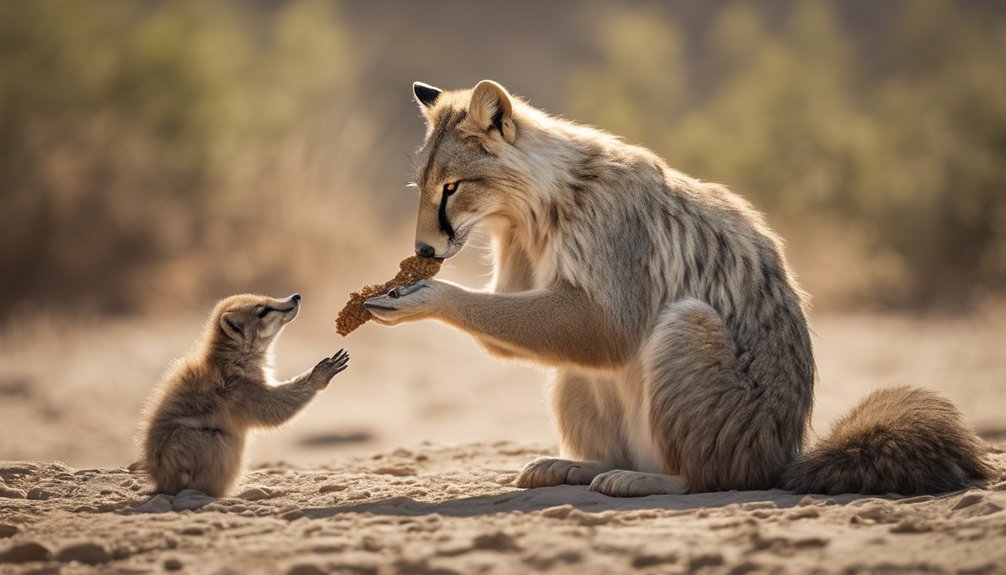
When young animals can’t yet feed themselves, their fathers may supply food directly by guarding prey, regurgitating meals, or producing nutrient-rich secretions. You can see this in species where males stay close to offspring and deliver energy at critical stages.
Seahorse fathers provide embryos with nutrients in a brood pouch, then release fry that still depend on parental support. In some birds, such as penguins and doves, males regurgitate food to chicks during periods of high demand. These nurturing behaviors improve growth and survival when food is scarce.
You’ll also find male fish that fan nests while offering secretions or captured prey. Such feeding strategies show that paternal care isn’t only protective; it can directly sustain hungry young with measurable biological benefits.

Animal Dads That Teach Survival Skills
In species where survival depends on learning, fathers can be crucial instructors as well as protectors. You see this in species that use parenting strategies to build competence, not just dependence. A father may show you, through his young, how to forage, avoid predators, navigate terrain, and practice survival techniques before independence.
- He demonstrates food locations.
- He models alarm responses.
- He guides movement through habitat.
- He corrects risky behavior.
These lessons improve juvenile survival and reduce mistakes during early development. In many animals, paternal teaching is brief but effective, because you learn best when instruction is immediate and repeated.
This active guidance helps you adapt to changing conditions with less stress and greater success.
Famous Animal Fathers In The Wild
Across the animal kingdom, a few fathers stand out for unusually active roles in raising their young. You can see this in emperor penguins, where males incubate eggs, in seahorses, where fathers carry embryos, and in many songbirds, where bird behavior reveals hands-on care. Their paternal instincts aren’t sentimental; they’re measurable traits shaped by evolution and observable in the wild.
| Species | Father’s role | Example |
|---|---|---|
| Emperor penguin | Incubates egg | Antarctic winter |
| Seahorse | Carries young | Brood pouch |
| Marmoset | Cares for infants | Shared feeding |
When you study these cases, you notice that male investment can improve offspring survival. These fathers show that care isn’t rare; it’s a recurring strategy in nature.
How Animal Dads Protect Their Young
Animal dads protect their young in several direct, measurable ways, including guarding nests, carrying offspring, and provisioning food. You can observe paternal instincts in many species when males stay close and respond quickly to threats. Their protective behaviors reduce predation and improve survival.
- They patrol territory and deter intruders.
- They cover eggs or chicks with their bodies.
- They transport young in mouths, pouches, or on backs.
- They deliver food at regular intervals.
You may also see fathers use calls, displays, or physical positioning to keep young hidden and calm. These actions aren’t random; they’re repeatable behaviors shaped by selection and linked to offspring survival.
When you study them closely, you can measure how father care lowers risk and supports development.
Why Some Species Rely On Dads
Some species rely heavily on fathers because male care increases offspring survival under specific ecological and social conditions. You see this pattern when food is scarce, predators are common, or young need long care periods.
In these cases, fathering behaviors such as guarding, feeding, carrying, and teaching can directly raise survival and growth. You also find evolutionary advantages when a male’s investment boosts the number of offspring that live to reproduce, especially if he can mate with the same partner repeatedly.
In some species, pair bonding makes paternal care more reliable, while in others, fathers compensate for limited maternal resources. This division of labor can improve reproductive success for both parents, making dad’s role not just helpful, but biologically efficient.
Frequently Asked Questions
How Do Animal Fathers Find Mates and Choose Partners?
You’d see animal fathers use courtship displays, territory defense, calls, or gifts to attract mates. Females usually drive partner selection, assessing health, vigor, resources, and parental potential before choosing the best reproductive partner.
Do Animal Dads Ever Help With Building Nests?
Yes—many animal dads do help with nest building. You’ll see paternal partnership in species like birds and fish, where parental involvement includes gathering materials, shaping nests, and defending sites, increasing offspring survival.
Which Animal Fathers Travel the Farthest for Food?
Emperor penguin fathers travel farthest, trekking many kilometers across ice for food. You’d see their parenting strategies rely on long foraging behaviors, because males fast, then return with regurgitated meals to feed chicks.
How Long Do Animal Fathers Stay With Their Young?
You’ll find that animal fathers stay with their young from days to years, depending on species. Their paternal instincts drive caregiving behaviors that protect, feed, and teach offspring until they’re independent and can survive alone.
Can Animal Dads Recognize Their Own Babies?
Yes, you can see animal dads recognize their babies like a compass finding north; paternal instincts and offspring recognition guide many species, though scent, sound, and sight vary, and some fathers don’t recognize young reliably.
Conclusion
As you consider these remarkable fathers, one question remains: which strategy gives their young the best chance to survive? You’ve seen dads that guard nests, carry embryos, and feed hungry offspring, each using precise behaviors shaped by evolution. Their care isn’t accidental; it’s a measurable force that increases survival. Yet the most striking pattern may be this: when conditions grow harsh, paternal investment often becomes the difference between loss and lasting success.