You might think survival depends on strength or speed, but nature often uses far stranger solutions. Some animals vanish into leaves, others glow in the dark, and a few carry built-in shields that can stop a hungry predator cold. These traits aren’t random tricks; they’re the result of pressure, need, and time. Once you see how they work, the line between ordinary and extraordinary starts to blur.
Key Takeaways
- Camouflage lets animals blend into their surroundings, helping them avoid predators and ambush prey.
- Temperature-control adaptations like thick fur, panting, and ear-spreading keep animals stable in changing climates.
- Deep-sea species survive darkness and pressure with bioluminescence, flexible bodies, and slow metabolisms.
- Armor, spikes, toxins, and mimicry protect animals from predators and make attacks risky.
- These adaptations support survival, reproduction, and ecological balance across diverse environments.
Why Animal Adaptations Matter
Animal adaptations matter because they help creatures survive in the places they live. You can think of them as nature’s practical tools, shaped by daily pressures like heat, cold, hunger, and predators.
When you learn how a bird’s beak, a desert mammal’s water-saving body, or a fish’s fins support life, you see survival strategies in action. These traits let animals find food, conserve energy, raise young, and handle harsh conditions.
They also support ecological balance, because each species affects the others around it. If one animal thrives or declines, the whole system shifts.
Camouflage Tricks That Hide Animals in Plain Sight
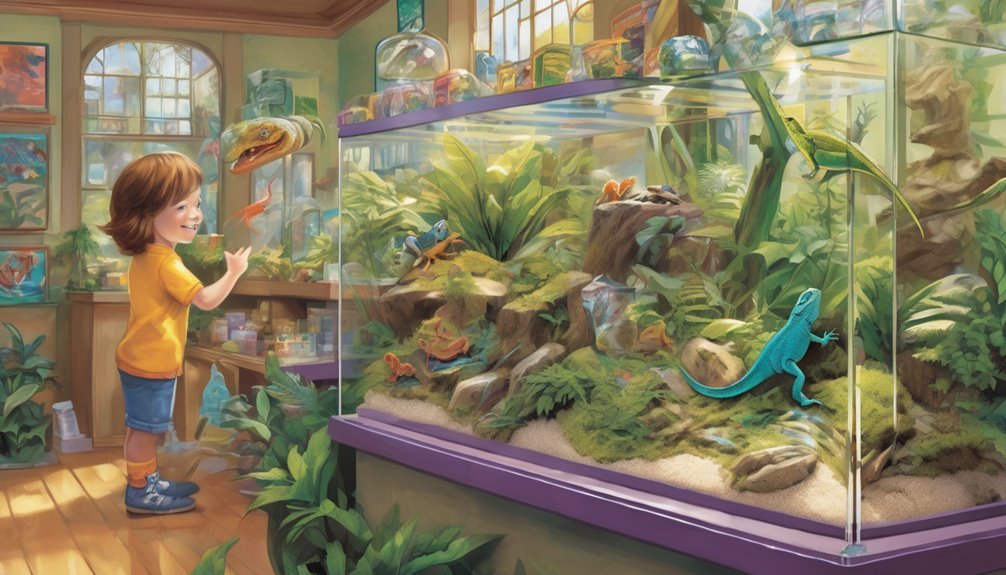
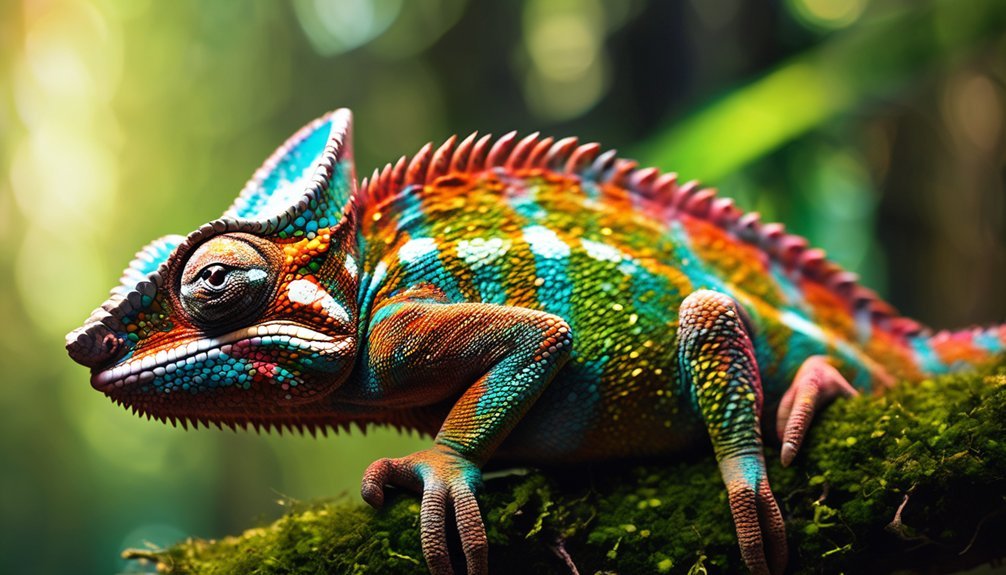
Sometimes the best way to survive is to disappear, and camouflage gives animals that advantage by helping them blend into their surroundings. You might miss a leaf-tailed gecko because its skin matches bark so closely, or a walking stick insect because it looks like a twig.

Some species rely on color changing abilities to shift with light, mood, or background, making them harder for predators to spot. Others use visual mimicry, copying leaves, stones, or even dangerous animals to fool both hunters and prey.
When you watch closely, you’ll see that camouflage isn’t just hiding; it’s a smart, active strategy. It lets animals stay safe, sneak up on food, and move through the world almost unseen, right under your nose.
Animal Adaptations That Keep Bodies Warm or Cool
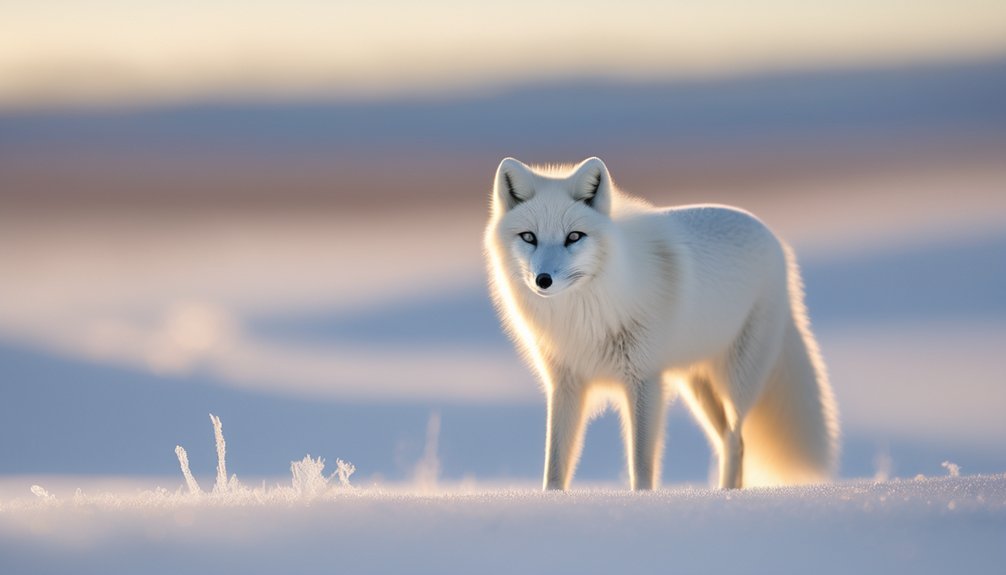
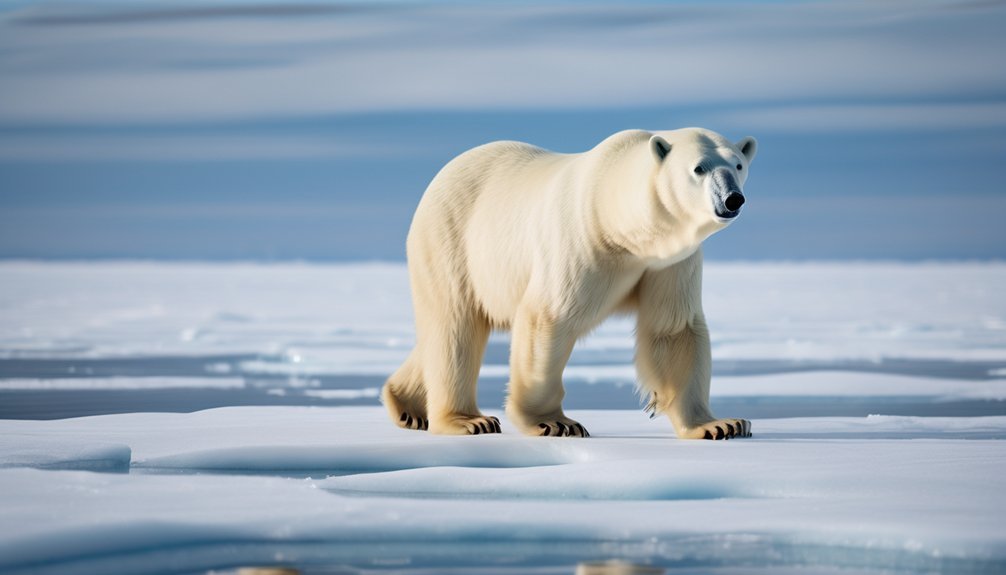
When temperatures change, animals use special adaptations to keep their bodies working at the right level. You can see fur thickness shift with the seasons, giving stronger body insulation in winter and lighter coverage in summer.
Some animals reduce heat exchange by tightening blood flow near the skin, while others boost it to release warmth. You’ll also notice cooling mechanisms like panting, sweating, or spreading ears to shed extra heat fast.
Behavioral adaptations matter too: animals rest in shade, burrow, bask, or huddle to stay comfortable. Seasonal changes often trigger shedding, growing thicker coats, or storing fat.
Together, these strategies help animals keep a steady internal temperature, no matter how hot or cold their world gets.
How Animals Survive the Deep and Dark
Far below the sunlit surface, the deep ocean is cold, dark, and under immense pressure, so animals there rely on remarkable adaptations to survive.
You’ll find fish with flexible bodies, tiny eyes, or none at all, because light barely reaches them. Some species carry bioluminescent organisms, using their glow to attract mates, lure prey, or confuse rivals.
Others conserve energy with slow metabolisms, letting them live on scarce food that drifts down like snow. Many deep sea predators have huge mouths and expandable stomachs, so they can seize any meal that passes by.
You can think of this world as a place where every trait matters, and survival depends on making the most of darkness, pressure, and patience.
Speed and Strength Adaptations for Escape
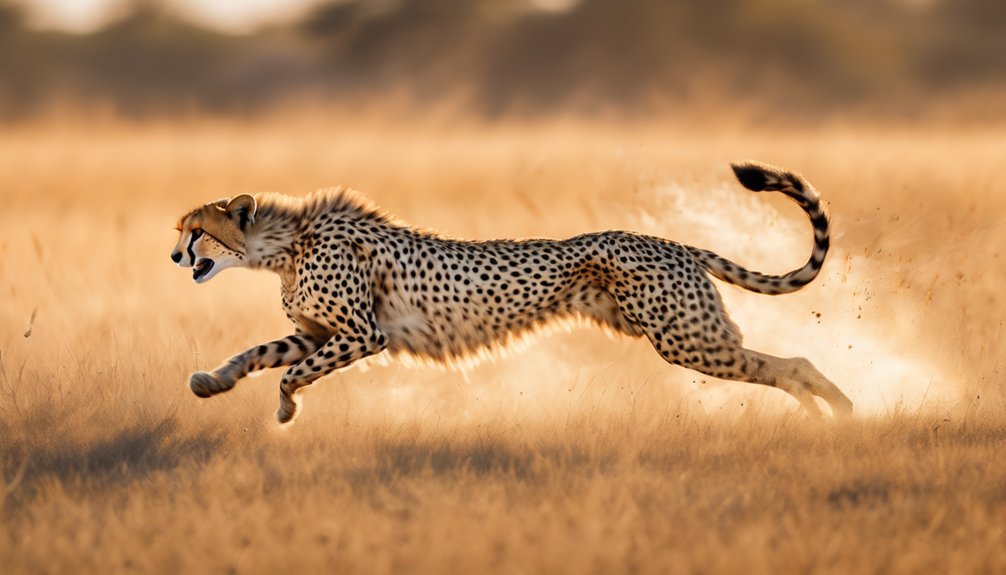
For many animals, escaping danger means being fast, strong, or both. You can see sprint strategies in gazelles, which explode from stillness into sharp bursts that leave predators guessing.
Rabbits use zigzags and quick acceleration to make pursuit harder, while antelope rely on long, elastic legs to keep speed high. Strength matters too. A fish may rocket through water with powerful tail strokes, and a kangaroo can use power leaps to cover ground in seconds.
Rabbits zigzag, antelope stretch into speed, and powerful leaps or tail strokes turn motion into escape.
These movements aren’t random; they’re tuned by evolution for survival. When you watch them in action, you’re seeing muscles, balance, and timing working together.

Speed creates distance, strength creates escape, and both give animals the split-second edge they need.
Built-In Defenses Against Predators
Some animals don’t need to outrun danger because their bodies are built to stop it. You can see this in turtles, armadillos, and porcupines, which rely on armor, spikes, or shells to make predators think twice.
Others use mimicry mechanisms to look like something harmful, so a hungry hunter hesitates. Some insects copy the colors of stingers or poisonous species, and that false signal can save their lives.
You’ll also find chemical defenses in frogs, beetles, and caterpillars, which release bitter toxins or foul sprays when attacked.
These traits don’t just protect them; they shape how they live, hide, and survive. Nature equips them with tools that turn attack into risk.
Unusual Senses That Help Animals Find Food
Animal adaptations aren’t only about avoiding danger; they also help animals track down the next meal. You can picture a snake using infrared vision to spot warm prey in darkness, or a shark relying on electroreception to detect hidden muscle signals.
Bats use sonar detection to map insects in flight, while moths and dogs excel at scent tracking. Some birds and turtles depend on magnetic navigation to reach feeding grounds, and bees use color perception to guide them to nectar-rich flowers.
Catfish and butterflies show sharp taste sensitivity, and elephants may sense low vibrations through vibrational sensing. These unusual senses give animals a survival edge, letting them find food faster, safer, and with remarkable precision.
How Animal Adaptations Evolved
Over long stretches of time, animals have evolved adaptations because individuals with traits that helped them survive and reproduce were more likely to pass those traits on. You can trace this process through small changes shaped by genetic mutations and environmental pressures.
When conditions shift, nature favors bodies, behaviors, and instincts that fit the challenge.
- A mutation appears.
- An environment tests it.
- Helpful traits spread.
- Populations change.
You see this in camouflage, thick fur, and keen hearing. Each advantage didn’t arrive all at once; it built slowly across generations.
As habitats, predators, and food sources changed, animals that adapted stayed alive long enough to mate. That’s how evolution turns chance into survival, and how nature keeps surprising you.
Frequently Asked Questions
Which Animal Can Regenerate Lost Body Parts Fastest?
Axolotls can regenerate lost body parts fastest. You’d notice their regeneration mechanisms rebuild limbs, spinal tissue, even organs, giving them evolutionary advantages. In labs, they often outpace other animals, making them remarkable healers.
How Do Animals Communicate Without Sound?
At a glance, you’ll see animals use body language, visual signals, chemical cues, and tactile communication to share danger, attraction, or territory. You’d read their messages like an open book, without hearing a sound.
Can Some Animals Change Their Sex During Life?
Yes, you can see some animals change sex during life. You’ll notice sex changing mechanisms respond to environmental triggers, social hierarchy, and reproductive advantages, helping them switch roles when conditions make breeding more successful.
What Animal Has the Longest Migration Route?
Arctic terns have the longest migration route—doesn’t that amaze you? You’ll see their migration patterns span pole to pole, and their navigation techniques still puzzle scientists, covering about 44,000 miles yearly.
Which Species Survives Extreme Dehydration Best?
You’d likely pick the tardigrade, which survives extreme dehydration best. Its dehydration resistance lets it dry nearly completely, then revive later. You can see its survival strategies as biological hibernation, protecting cells until water returns.
Conclusion
As you’ve seen, animal adaptations are more than just clever tricks—they’re survival tools shaped by millions of years of evolution. One striking fact is that nearly 95% of the ocean remains unexplored, so many deep-sea adaptations are still waiting to be discovered. That means nature may have even more surprises in store. When you look closely, you’ll see that every claw, color, and glowing signal tells a story of survival, resilience, and change.