
You might think no system could save so many lives at once, yet animal rescue organizations do it every day. You see them pull animals from immediate danger, deliver veterinary care, and place them in foster homes for recovery. They also match each animal with the right family, ease shelter crowding, and support wildlife release. What they do next can decide whether a life stabilizes or slips away.
Key Takeaways
- Animal rescue organizations save lives by responding quickly to animals in immediate danger and providing urgent medical care.
- They stabilize injuries, treat hidden trauma, and monitor breathing, appetite, and comfort during recovery.
- Foster homes give rescued animals quiet, supervised environments for rehabilitation, trust-building, and daily care.
- Adoption programs match animals with suitable families based on health, behavior, and home readiness.
- Community support through volunteering, donations, and outreach expands rescue capacity and saves more animals.
How Animal Rescue Organizations Save Lives
Animal rescue organizations save lives by responding quickly to animals in immediate danger, providing urgent medical care, and moving them out of unsafe conditions. You see the difference in every assessment, treatment, and placement decision.
Animal rescue organizations save lives through swift response, urgent care, and careful placement decisions.
When staff and volunteers coordinate community outreach, they identify suffering earlier and connect you with local support. Their education programs also reduce neglect by teaching humane care, responsible ownership, and early warning signs of distress.
You can trust these systems because they work with precision: triage, stabilization, recovery, and adoption planning. Each step protects vulnerable animals and lowers future risk.
With clear protocols and compassionate attention, these organizations preserve life, reduce pain, and create safer conditions for animals and the people who love them.

Rescue Animals in Immediate Danger
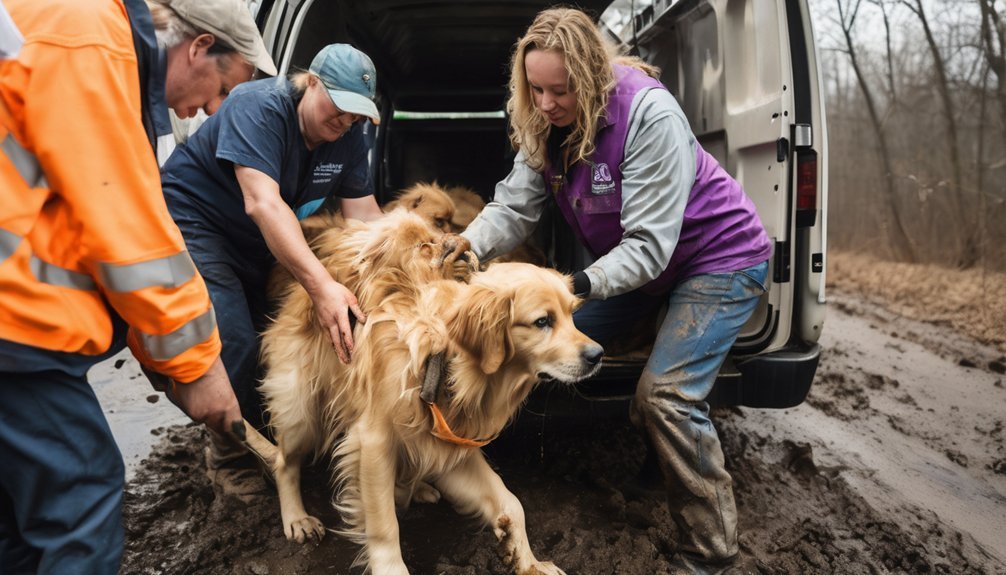
When an animal is in immediate danger, rescue teams act fast to remove the threat, secure the scene, and begin triage without delay. You help by following clear commands, keeping distance, and letting trained responders control the situation.
Their urgent interventions may include safely restraining the animal, shutting off hazards, or clearing access for emergency evacuations. You can make the response calmer by speaking softly, reducing noise, and avoiding sudden movement.
Every second matters, and precise coordination prevents further injury or panic. You also protect yourself by observing from a safe position and reporting any change in the animal’s condition.
In these critical moments, your steady cooperation supports the rescue team’s work and gives the animal the best chance to survive.
Provide Veterinary Care and Rehabilitation
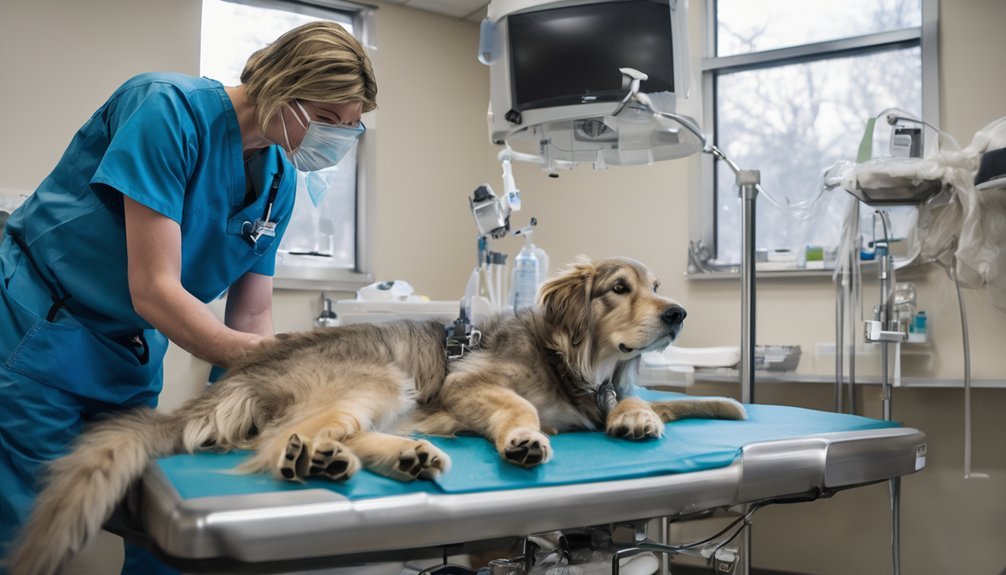
After the immediate danger has passed, veterinary staff assess the animal’s injuries, stabilize vital functions, and begin a treatment plan tailored to its condition.
You’ll see how rescue teams rely on veterinary partnerships to deliver surgery, fluids, pain control, and infection management quickly.
- They diagnose hidden trauma.
- They treat wounds and fractures.
- They monitor appetite, breathing, and comfort.
- They guide rehabilitation programs that restore strength, mobility, and trust.
You stay connected through each milestone, because careful follow-up reduces complications and supports humane recovery.
With precise care and steady compassion, you help an animal move from crisis toward wellness, one clinical step at a time.
Use Foster Homes to Prepare Animals
Once an animal is medically stable, foster homes provide a quieter setting where recovery can continue with less stress and more individual attention.
You can place the animal in a predictable space where you monitor appetite, energy, and behavior day by day.
Through foster training, you learn how to support medication schedules, gentle handling, and basic routines without overwhelming the animal.
Different home environments also help you observe what conditions feel safest and most soothing.
This close, practical care reduces fear, builds trust, and lets you notice subtle progress that busy shelters may miss.
When you offer steady companionship, you help the animal regain confidence, strengthen coping skills, and become better prepared for the next step in its journey.
Match Rescue Animals With Adoptive Families
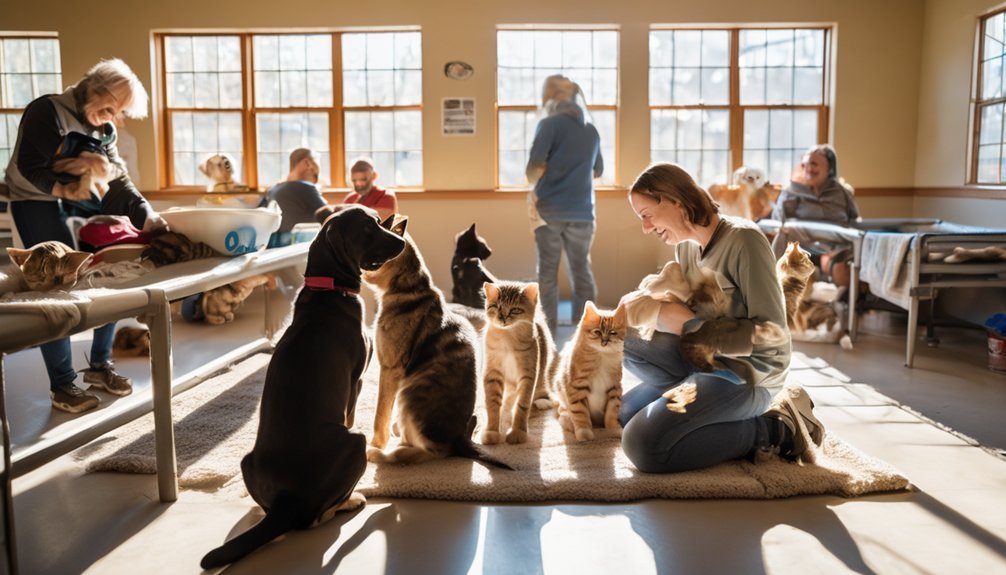
With recovery underway, you can begin matching each rescue animal to a family that can meet its physical, behavioral, and emotional needs. You review matching criteria with care, then compare each pet’s routines, triggers, and comfort level with a household’s experience and schedule.

During adoption events, you watch how people respond, noting gentle handling, patience, and realistic expectations.
During adoption events, you notice gentle handling, patience, and realistic expectations in every hopeful family.
- Assess the animal’s health, energy, and tolerance for touch.
- Confirm the family’s space, time, and training skills.
- Pair temperaments that feel safe and steady together.
- Follow up after placement to support adjustment.
When you match thoughtfully, you reduce stress and deepen trust. You don’t just place an animal; you help create a bond that can feel calm, lasting, and deeply respectful.
Support Wildlife Rescue and Release
Supporting wildlife rescue and release requires careful coordination from the first intake through return to the wild. You help trained teams assess injuries, reduce stress, and stabilize each animal with quiet, species-specific care.
In wildlife rehabilitation, you support nutrition, wound management, and controlled exercise until the animal can move, feed, and avoid danger on its own. You also protect release success by respecting habitat preservation, because healthy wetlands, forests, and grasslands give recovered animals the space they need to survive.
When you choose evidence-based handling, you lower relapse risk and improve survival after release. Your steady attention matters: each calm intervention preserves dignity, eases fear, and gives vulnerable wildlife a real chance to rejoin their ecosystem safely.
How Rescue Groups Ease Shelter Crowding
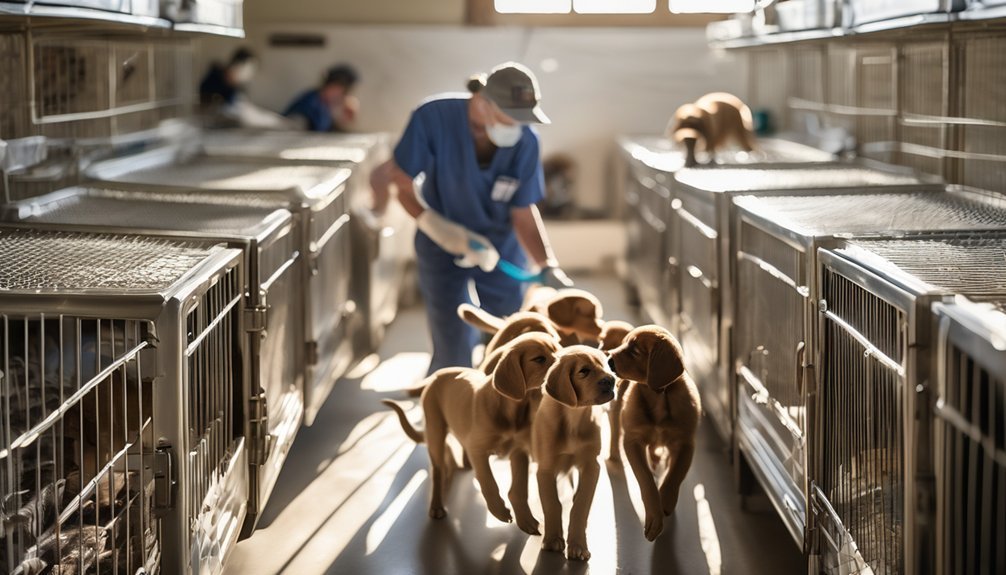
Rescue groups ease shelter crowding by moving animals quickly from high-intake facilities into foster homes, partner shelters, or specialty placements where they can receive the right level of care.
You see immediate relief when intake drops and each animal gets a calmer setting.
- They coordinate shelter partnerships to transfer pets before cages stay full.
- They use community outreach to match animals with temporary homes fast.
- They triage medical, behavioral, and age-related needs with precision.
- They preserve staff bandwidth so you get safer, steadier operations.
This system lowers stress, reduces disease risk, and gives vulnerable animals a better chance to recover.
When rescue networks work well, you feel the difference in quieter kennels and in each animal’s softer, more hopeful response.
How You Can Help Animal Rescue Organizations
You can help animal rescue organizations by giving what they need most: time, resources, and reliable support. You can volunteer to clean kennels, foster animals, transport pets to clinics, or assist at adoption events.
Help animal rescue organizations with your time, resources, and steady support by volunteering, fostering, or assisting at adoption events.
When you donate food, blankets, medicines, and funds, you reduce strain on staff and improve daily care. You can also organize donation drives at work, school, or in your neighborhood to gather supplies quickly.
Support community outreach by sharing adoptable animals online, attending local events, and speaking up for humane practices. If you have specialized skills, offer them; graphic design, accounting, and veterinary expertise all matter.
Your consistent involvement builds trust, strengthens services, and helps vulnerable animals move toward safety, recovery, and loving homes.
Frequently Asked Questions
How Are Rescue Organizations Funded Year-Round?
They’re funded through donations, fundraising events, grants, and community partnerships. You can sustain them year-round by giving monthly, attending events, and partnering with local businesses; this steady support keeps care continuous and compassionate.
What Training Do Animal Rescue Volunteers Need?
You need orientation in shelter protocols, animal handling, sanitation, and emergency response. Since 70% of volunteers start unprepared, you’ll learn volunteer responsibilities, keep records, and read behavior cues so you can protect frightened animals compassionately.
How Do Rescues Handle Emergency Transport Logistics?
You coordinate emergency transport through clear emergency protocols, vetted transport partnerships, and rapid triage. You stabilize animals, dispatch the nearest vehicle, track routes, and keep caregivers informed, so they feel held, safe, and reassured.
What Legal Challenges Do Rescue Organizations Face?
You face a maze of legal regulations, adoption policies, and animal welfare duties. You’ll need rescue partnerships, stable funding sources, and careful volunteer recruitment, or the key won’t turn for vulnerable lives.
How Can People Start a Local Rescue Chapter?
You can start by recruiting volunteers, registering legally, and building community engagement with shelters, vets, and adopters. Then create fundraising strategies, train staff, define rescue protocols, and offer compassionate, discreet support to animals and families.
Conclusion
When you support animal rescue organizations, you help give vulnerable animals a second chance at life. They respond quickly in moments of crisis, provide careful medical treatment, and guide each animal through recovery. With foster homes and thoughtful adoption matching, they help animals find safer, kinder futures. You also help ease shelter crowding and extend wildlife rescue efforts. In doing so, you don’t just save lives—you help create quieter endings and brighter beginnings.