
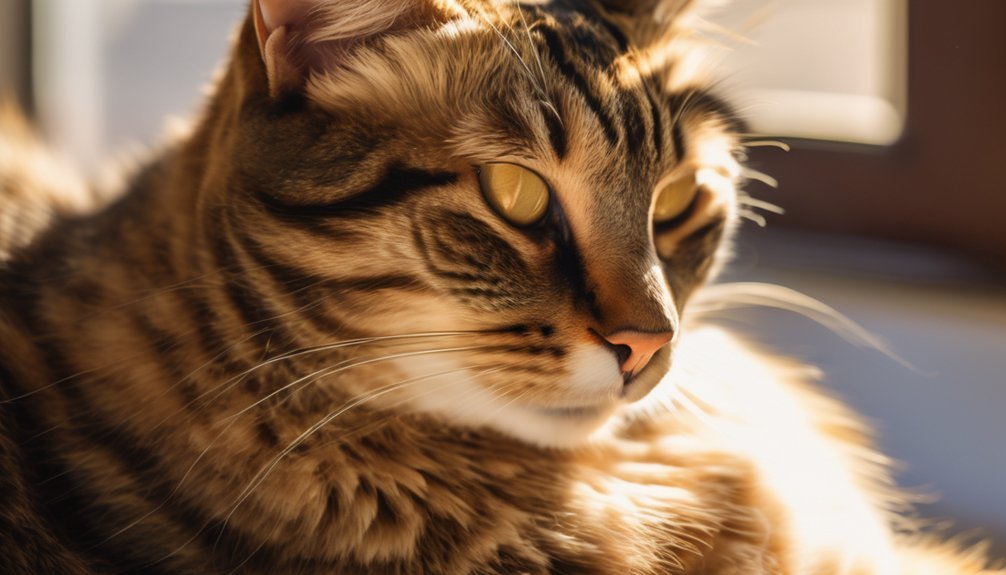
You probably don’t know that a cat’s purr can signal both comfort and distress. When you hear it, your cat may be relaxed, but it can also be using the sound to self-soothe during pain or illness. The vibration comes from rapid muscle contractions in the larynx, and it may carry more meaning than you expect. So what is your cat really telling you?
Key Takeaways
- Cats purr to communicate comfort, maintain contact, and reduce tension with people and other animals.
- A happy purr often signals relaxation, trust, and affection, especially during gentle interaction.
- Cats also purr to self-soothe when stressed, scared, or in pain.
- Purring during illness or injury does not mean a cat feels fine; it can be a coping response.
- The sound comes from rapid, rhythmic laryngeal muscle activity controlled by neural signals during breathing.
Why Do Cats Purr?
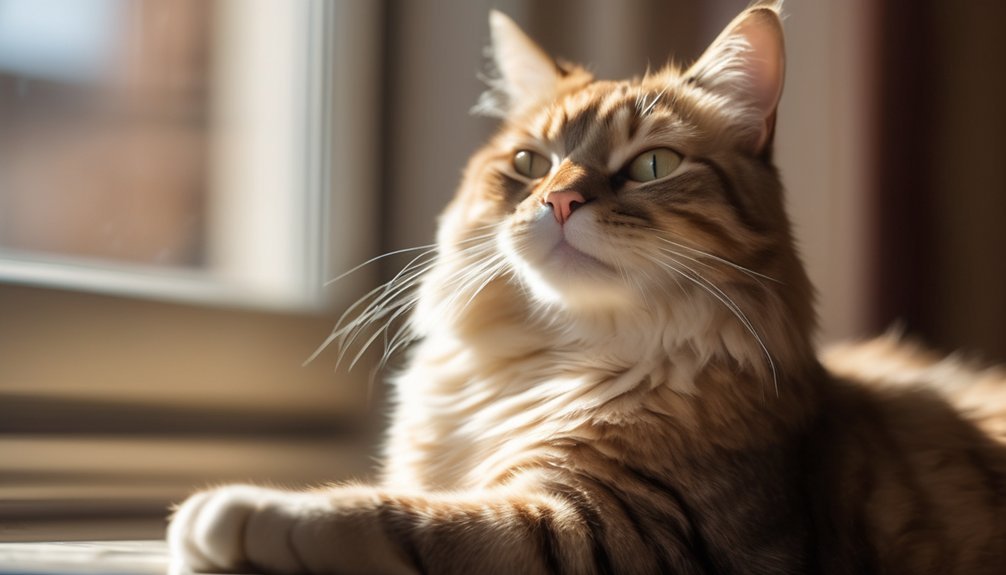
Cats purr for several reasons, and the behavior isn’t limited to contentment. When you hear it, you’re observing purring communication, a low-frequency signal your cat uses in many social and physiological contexts.
In feline behavior, purring can help maintain contact, reduce tension, and support bonding with you or other animals. You may notice it during grooming, close resting, or veterinary handling, when your cat needs reassurance and stable interaction.
Some cats also purr while seeking food or attention, which suggests a practical signaling role. The sound emerges from rapid, rhythmic activity in the laryngeal muscles, creating vibration as air moves.

Why Cats Purr When They’re Happy
When your cat purrs during relaxed petting, lap time, or quiet companionship, the behavior often reflects a positive emotional state. You can usually read this happy purring as a social signal that your cat feels safe, engaged, and comfortable with you.
In these moments, purring behavior often accompanies soft eyes, a loose body, and slow blinking, which together suggest contentment. You don’t need to force interaction; your calm presence often strengthens the response.
Cats may also purr while being stroked in familiar places, because pleasant touch reinforces the association between you and comfort.
When you notice this pattern, you’re seeing more than sound—you’re observing a precise, intimate form of communication that signals trust, affection, and satisfaction in your shared space.
How Purring Helps Cats Calm Down
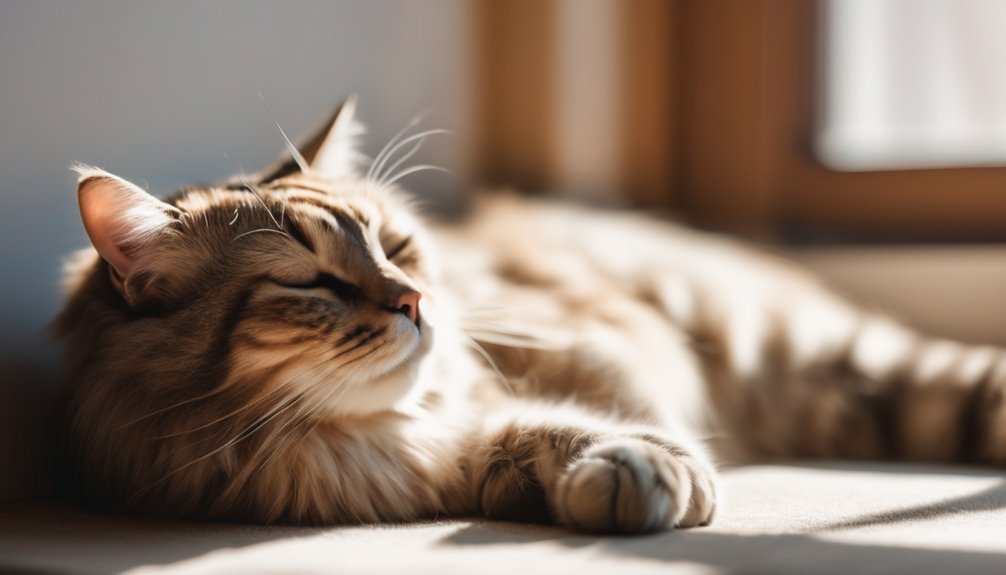
Purring can also function as a self-soothing mechanism during stress, pain, or uncertainty. When you watch your cat purr, you’re seeing one of its main calming mechanisms in action. The vibration may help regulate arousal and shift attention away from environmental threats. For you, this means your cat may use purring benefits to restore a steadier internal state.
Purring can help your cat self-soothe during stress, easing arousal and restoring a steadier internal state.
- It can lower visible tension in posture.
- It may support slower breathing patterns.
- It can reinforce familiar, safe contact with you.
In clinical terms, purring appears to help your cat modulate stress responses efficiently. When you stay nearby, speak softly, and avoid sudden movement, you strengthen those calming mechanisms.
That’s why purring often continues until your cat feels secure again.
Why Cats Purr When They’re Sick or Hurt
Even in illness or injury, a cat may continue to purr as part of its self-regulation. When you’re caring for a sick or hurt cat, that sound can signal stress, pain, or a need for comfort.
Purring may reflect instinctual behavior that helps your cat stay composed while its body copes with injury or infection. Some owners describe purrs as healing vibrations, and while that claim isn’t fully proven, the rhythmic sound may accompany relaxation, reduced tension, and a calmer heart rate.
You should never assume purring means your cat feels fine; cats often mask discomfort. If your cat purrs while limping, hiding, or eating less, contact your veterinarian promptly for evaluation and treatment.
How a Cat’s Purr Works
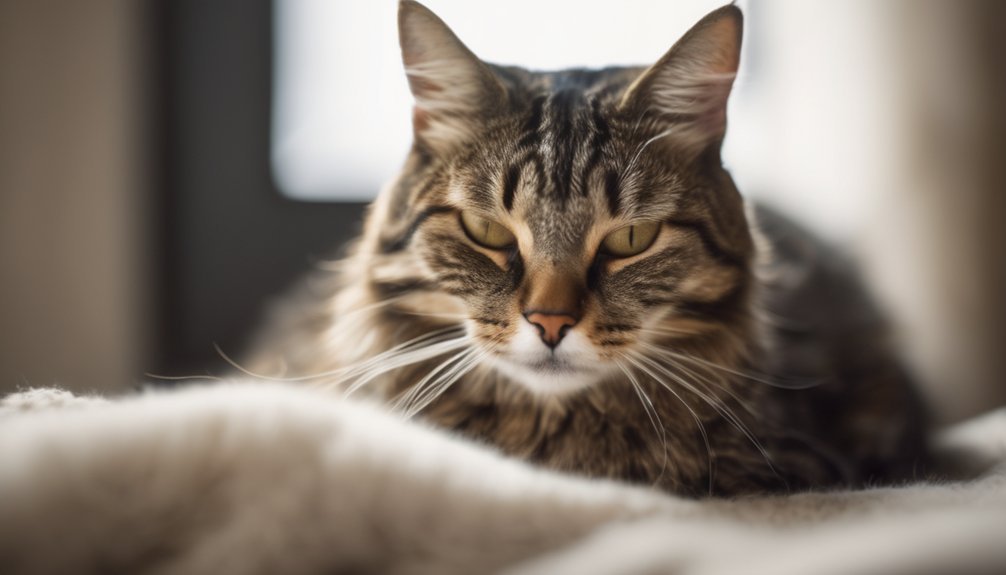
A cat’s purr begins in the brain, where signals travel through the laryngeal and respiratory muscles to create a rapid, rhythmic vibration during both inhalation and exhalation.
You can think of the purring mechanics as a controlled oscillation, not a random noise. The vibration moves air across the vocal folds, and you hear a soft, steady tone.

- Neural signals activate the throat muscles.
- The glottis narrows and opens in quick cycles.
- This cycle shapes the sound frequency you perceive.
When you listen closely, you notice the purr’s low, even pattern. It’s efficient, intimate, and measurable.
Scientists study its sound frequency to understand how your cat produces this calming signal without strain.
Do All Cats Purr the Same Way?
Not all cats purr in exactly the same way. You’ll notice purring variations in loudness, pitch, rhythm, and duration, even within the same cat.
Some cats produce a soft, steady vibration; others create a stronger, rougher sound that you can feel more than hear. Breed, age, anatomy, and individual habit can all influence the pattern.
You may also observe that a cat’s purr changes with breathing and body position, because the sound depends on rapid muscle activity around the larynx and chest.
In feline communication, these differences matter because they make each purr distinct, yet they don’t create a universal code. When you listen closely, you’re hearing a personal acoustic signature, not a one-size-fits-all response.
What Your Cat’s Purr Is Telling You
Your cat’s purr can signal comfort, but it doesn’t always mean the same thing. You need to read context, body posture, and timing to interpret this purring communication accurately. A relaxed cat may purr during petting, kneading, or sleep, showing trust and an emotional connection.
- If your cat purrs while approaching you, it often seeks reassurance or closeness.
- If it purrs at the vet or during pain, it may be self-soothing.
- If it purrs while tense, flattened, or hiding, treat it as stress, not contentment.
Listen for changes in volume and rhythm. A steady purr usually reflects calm, while a tight, rapid pattern can indicate distress.
Listen for changes in volume and rhythm; a steady purr suggests calm, while rapid purring may signal distress.
When you watch carefully, you respond better to your cat’s needs and deepen mutual trust.
Frequently Asked Questions
Can Kittens Purr Before They Can Meow?
Yes, you can notice kittens purring before they meow. During early purring development, kitten communication often starts with soft vibrations while their vocal cords strengthen, so you’ll hear purring first and meowing later.
Do Wild Cats Purr Like House Cats?
Yes—some do, by coincidence, especially smaller wild cats, so you’ll notice wild cat behavior resembling house cats. In feline communication, purring often signals comfort or distress, but many big cats can’t purr continuously.
Does Purring Affect a Cat’s Breathing Rate?
Yes, purring can slightly alter your cat’s breathing rate; the laryngeal muscles synchronize with respiration. These purring mechanics may support respiratory benefits by promoting steady airflow, while your cat’s breathing stays calm and efficient.
Can Humans Hear All of a Cat’s Purr Frequencies?
Not quite: you can hear only part of a cat’s purr spectrum, like a radio tuned off-station. Higher and lower components exceed human limits; purring benefits and purr communication still occur through vibration.
Is Purring Learned or Instinctive in Cats?
Purring is mostly instinctive in cats, though you can shape its use through purring evolution and social bonding. You’ll notice kittens purr early, before learning much, which suggests an inherited communication system, not a learned behavior.
Conclusion
When you hear your cat purr, you’re not always hearing happiness alone. A purr can signal comfort, self-soothing, or even pain. For example, a cat recovering from surgery may purr while resting, which may reflect stress relief rather than contentment. In clinical terms, you should interpret purring alongside posture, appetite, and behavior. By reading these cues together, you can better understand what your cat’s purr is telling you.